
Essays · Contemporary Art
What Is Contemporary Art?
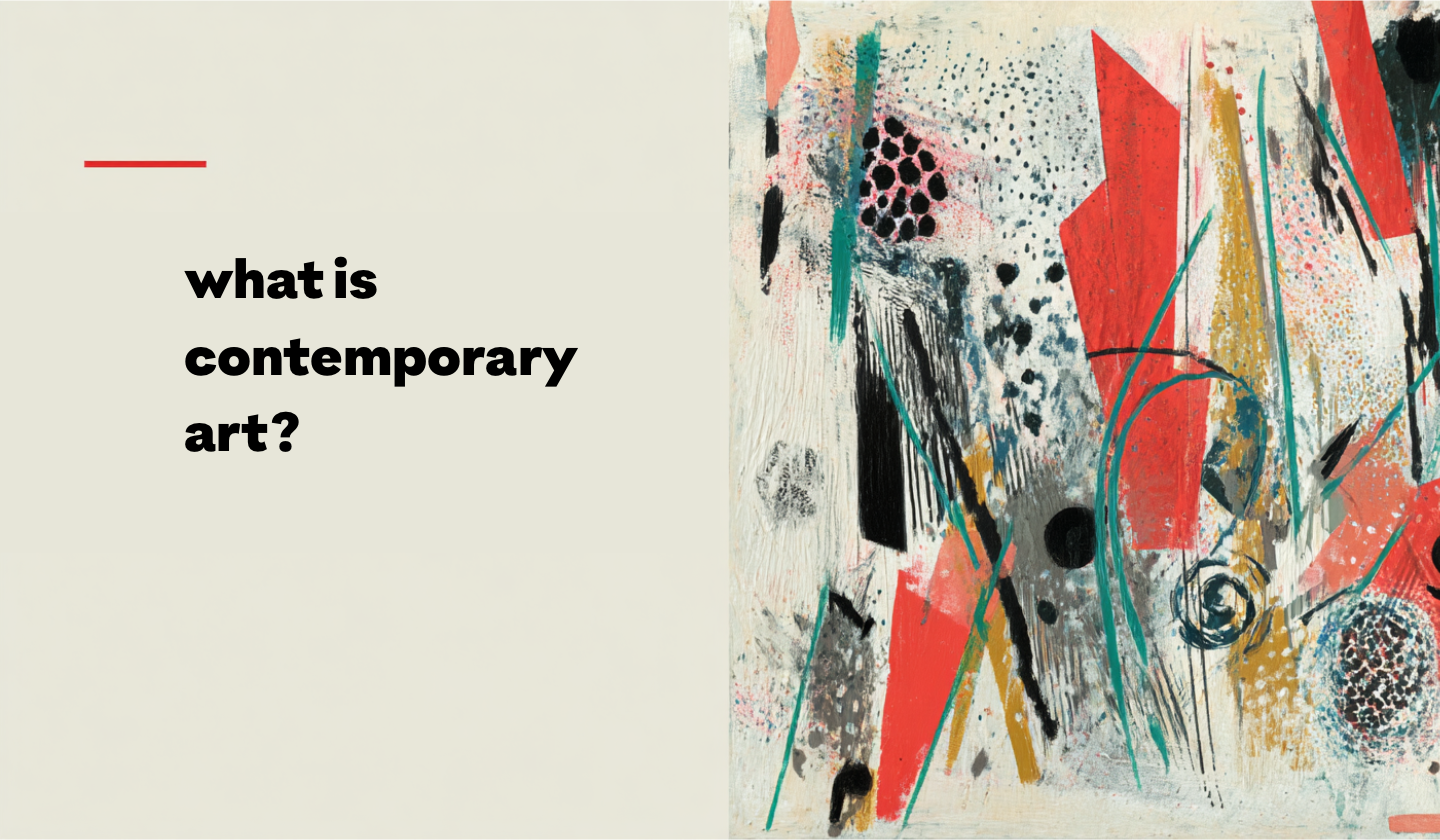
Contemporary art often raises more questions than it answers. Visitors to galleries may wonder whether certain works even qualify as “art,” or feel unsure how to interpret them. This blog explores what contemporary art is, not through rigid definitions, but by understanding its role, its methods, and why it continues to challenge and engage audiences around the world today.
Contemporary art often raises more questions than it answers. Visitors to galleries may wonder whether certain works even qualify as “art,” or feel unsure how to interpret them. This blog explores what contemporary art is, not through rigid definitions, but by understanding its role, its methods, and why it continues to challenge and engage audiences around the world today.
A Multi-Faceted Exploration of Artistic Practice Today
Contemporary art does not have a single, fixed definition. It is a dynamic and diverse field that reflects the complexities of modern life. Rather than conforming to established styles or rules, contemporary art embraces a wide range of ideas, media, and approaches. It serves as a platform for artists to explore and express current social, political, cultural, and personal issues through various forms and processes.
At its essence, contemporary art is rooted in lived experience. Artists use their work to respond to the world around them, whether by addressing global concerns or conveying deeply personal narratives. The urgency of these themes is often translated into visual, spatial, or time-based forms, using materials and methods that best align with the artist’s intent. Contemporary artworks may take the form of painting, sculpture, installation, video, performance, or digital media. In many cases, the process and concept are just as important as the final product.
One of the defining characteristics of contemporary art is its openness to interpretation. Unlike traditional art forms that often present clear stories or familiar imagery, contemporary works may appear ambiguous or abstract. They are not created to provide direct answers but to raise questions, spark reflection, and invite dialogue. This can be challenging for some viewers, but it also allows for a more personal and active engagement with the work.
Rather than standing apart from history, contemporary art builds upon it. Artists today are in constant conversation with the past, whether they draw inspiration from earlier movements or challenge and reject established traditions. This continuous layering of influences creates a complex and evolving field in which ideas like form, abstraction, identity, and materiality are continuously revisited and reimagined.
Contemporary art also expands the role of the viewer. In many cases, the audience becomes part of the artwork itself, especially in interactive or time-based pieces such as performances and installations. The act of viewing is not passive; it contributes to the meaning and experience of the work. This perspective is especially relevant in architecture, media, and performance, where boundaries between the artist, the work, and the viewer are increasingly fluid.
Digital and ephemeral media further illustrate the open-ended nature of contemporary art. Works may exist only temporarily or evolve with each presentation, shaped by the context and responses of viewers. In this sense, meaning is not fixed but continually formed through interaction and interpretation.
In summary, contemporary art is less about providing conclusions and more about prompting exploration. It challenges assumptions, encourages critical thinking, and creates opportunities for personal discovery. Whether addressing large-scale societal issues or intimate emotional experiences, contemporary art reflects the diversity and complexity of the present moment.
Engaging with contemporary art does not require prior knowledge. It requires curiosity, openness, and a willingness to reflect. The experience is not about reaching a single correct interpretation but about being part of a broader conversation, one that continues to evolve with time and context.
Contemporary Art