
Essays · Olfactory Art
Olfactory Art.
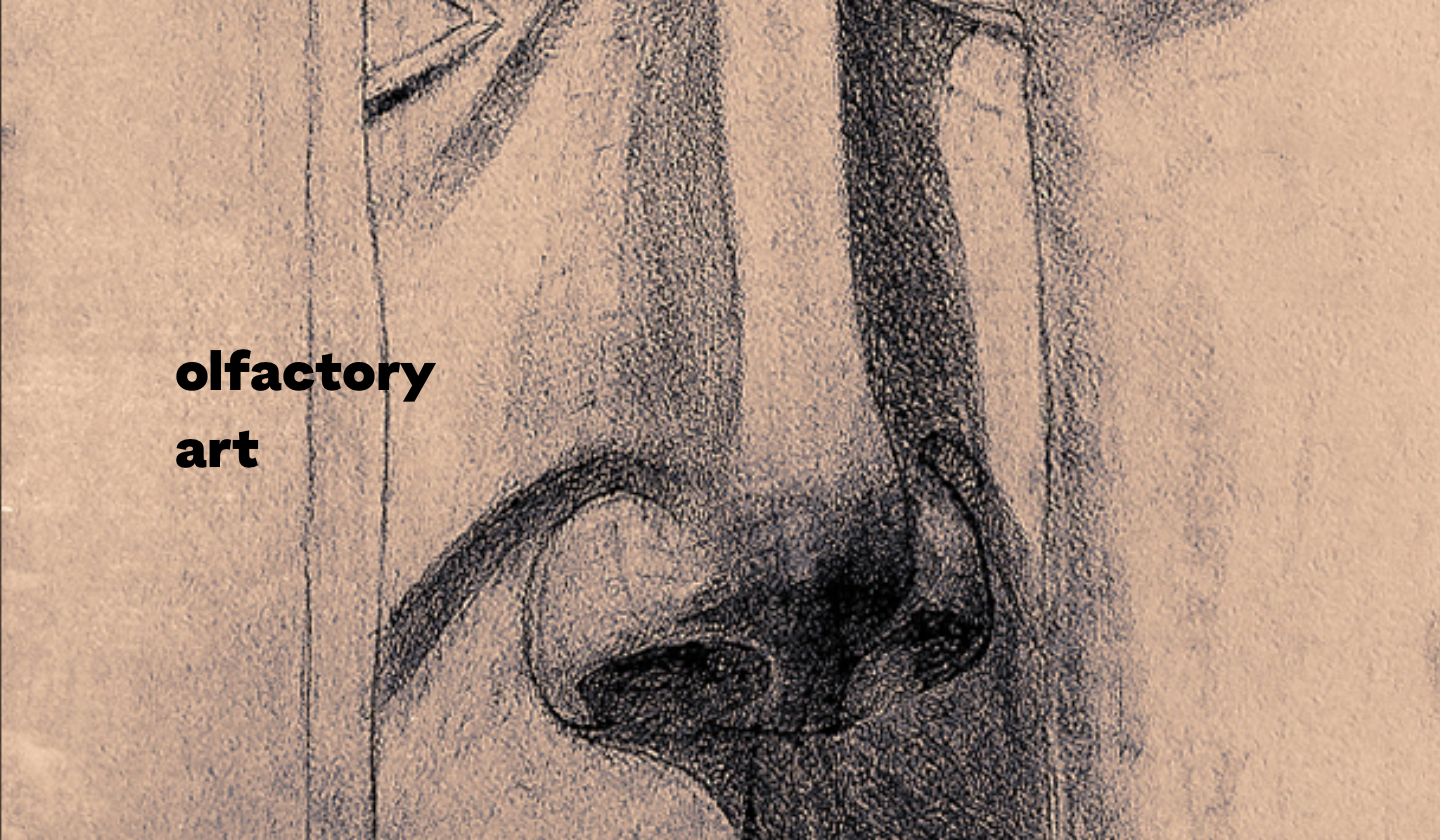
When scent becomes an artistic medium.
Olfactory art is a form of contemporary art that uses scent as the primary medium to convey ideas, emotions, and experiences. Unlike traditional art forms that rely on sight or sound, olfactory art activates the often-overlooked sense of smell to offer a unique, direct, and deeply affective engagement with the audience.
Historically, scent has played only a supporting role in religious rituals, ceremonies, or interior design. But from the late 20th century onward.especially in installation and multisensory art.scent began to be recognized as an independent artistic material . Olfactory artists do not create scent simply to be “pleasant,” but to provoke , evoke , challenge , or contemplate ideas of beauty, identity, and memory.
One defining characteristic of olfactory art is its invisibility and ephemerality. scent cannot be seen, stored in a fixed form, or experienced the same way twice. It is constantly changing, depending on time, space, and the body of the perceiver. Because of this, olfactory artworks often create highly personal experiences , capable of awakening memories and emotions that language or imagery may never fully reach.
Olfactory art takes many forms, such as:
Spatial installations built around a central scent
Multisensory works combining sound, image, movement, and smell
Conceptual “perfume artworks” created not for commercial use
Interactive experiences where scent serves as a bridge between memory, identity, and community
In an age where emotional experience and personalization matter more than ever, olfactory art offers a new way for both artists and audiences to connect.where sensation becomes language , and scent becomes a form of nonverbal thought .
Olfactory Art