
Essays · Olfactory Art
Oswaldo Maciá. New Cartographies of Smell Migration | Santa Fe.
A smell travels farther than whoever carries it.
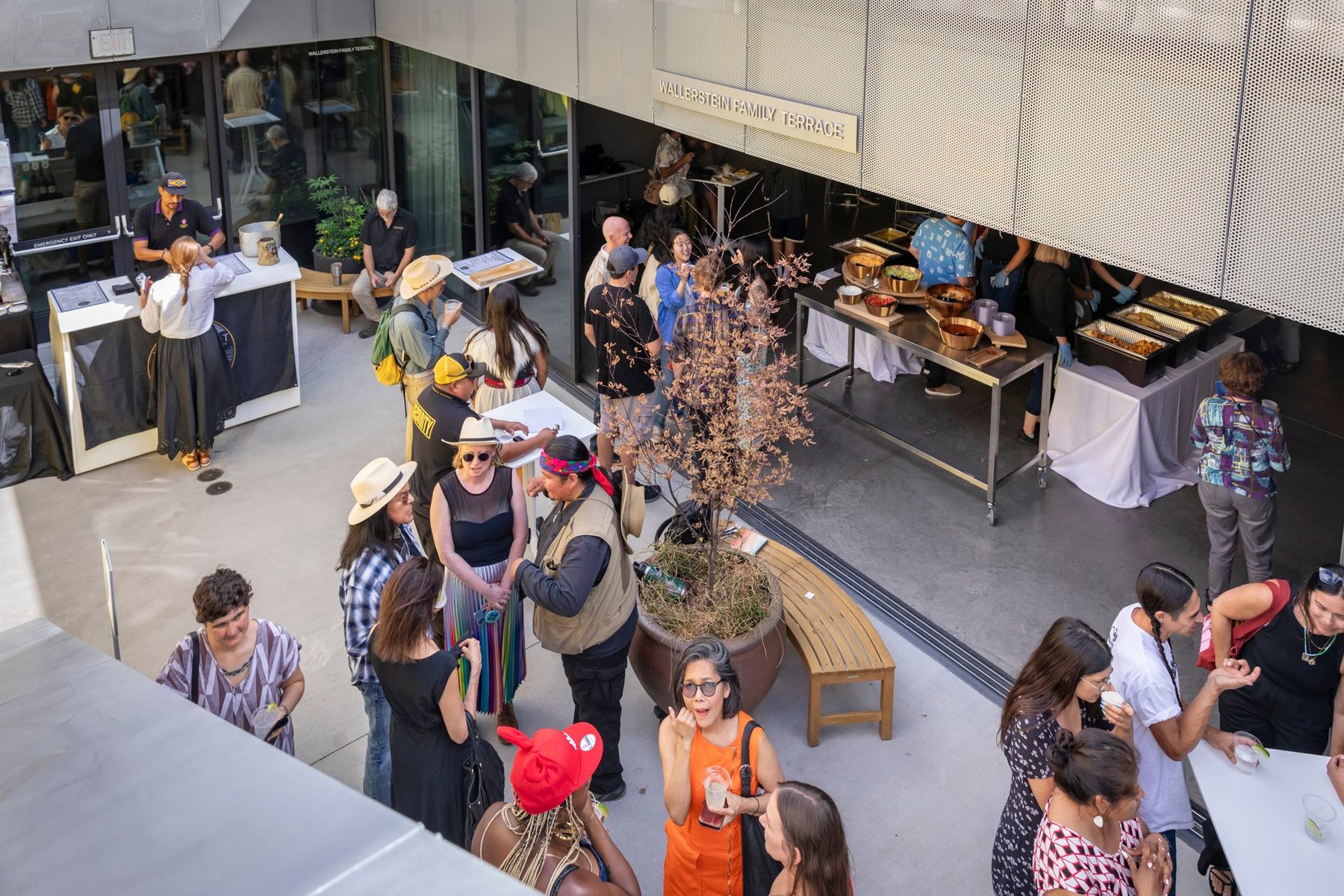
SITE Santa Fe · SITE Santa Fe
Six maps and two diffusers
From 2 October to 1 November 2021, SITE Santa Fe in New Mexico showed New Cartographies of Smell Migration by the Colombian artist Oswaldo Maciá. This version carries the city's name: Santa Fe.
The room held six large hand-painted maps of the Earth, annotated with notes on the cultural history of smell and its biological role. Between them, two diffusers released the smell of tree resin. A sixteen-channel sound system played wind and insects.
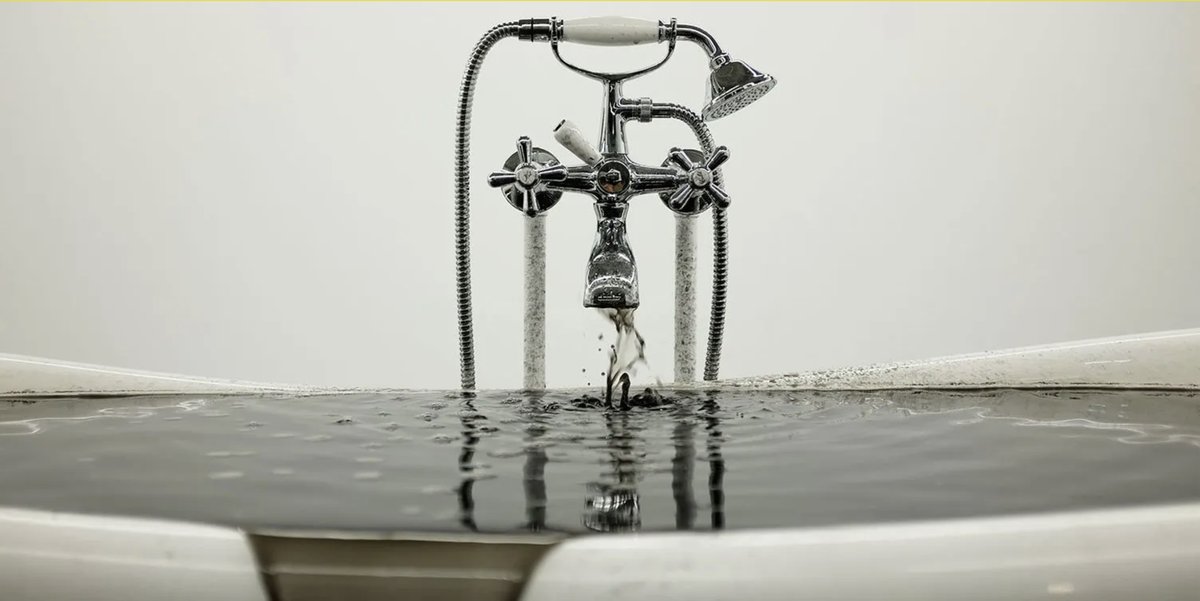
Maciá calls what he makes olfactory and acoustic sculpture. Penta readers may have met him through Under the Horizon, where a bathtub runs with black liquid beneath the smell of a root. In Santa Fe he no longer goes underground. He looks sideways, across the width of the planet.
Two resins older than the map
The smell in the room came from two resins. One is Peru balsam, from Myroxylon balsamum pereirae, sourced in El Salvador. The other is styrax, from Liquidambar styraciflua, sourced in the rainforest of Honduras.
These resins were part of Indigenous life in the Americas long before Europeans arrived. They were used in ritual, in religion, in remedies. From the sixteenth century they were loaded onto ships and exported across the world. A resin that seeped from a cut in a Central American tree might end up in a European church or an Asian apothecary.
Maciá chose them for that story. They are smells from before colonisation, and smells of colonisation itself: of trade, of ships, of an object leaving home and being renamed elsewhere.
On the technical side he worked with Ricardo Moya, senior perfumer at the scent and flavour house IFF, who had also made the scent for Under the Horizon with him.
The sound is a collage. Wind recorded in deserts around the world. Insects recorded in the Chocó rainforest of Colombia, one of the wettest places on Earth.
The two share something: both carry smell. Wind pushes pollen, dust, seeds and smoke across thousands of kilometres. Insects find flowers, mates and food by smell, and carry whatever clings to them along the way. The work, as described, sets out to widen our sense of global connection through smell, connections made by trade, wind and insects.
Standing in the room, you hear the wind of one place, smell the resin of another, and look at maps of the whole world. The three senses do not point to the same spot. They pull the visitor three ways, and that mismatch is what makes the room feel larger.
A map with no borders
An ordinary map is a tool of power. It draws lines, gives names, divides land. It says who owns what.
Maciá's maps record something else. They record what moves. Smell does not stop at borders. Wind carries no papers. Insects do not know which country they are in. Even goods, the most tightly controlled of all, carry the smell of the place they left.
According to SITE Santa Fe, he prefers raising questions to offering solutions, and uses senses beyond sight to avoid symbols that are too easy to read. Here the question is fairly plain: if we drew the world by the paths of smell, what would it look like? Probably fewer lines, and more arrows.
Olfactory Art