
Essays · Olfactory Art
Ro Miller. Soft Time.
There is a kind of time only the nose can measure.
Olfactory Art Keller · Olfactory Art Keller
Hard time
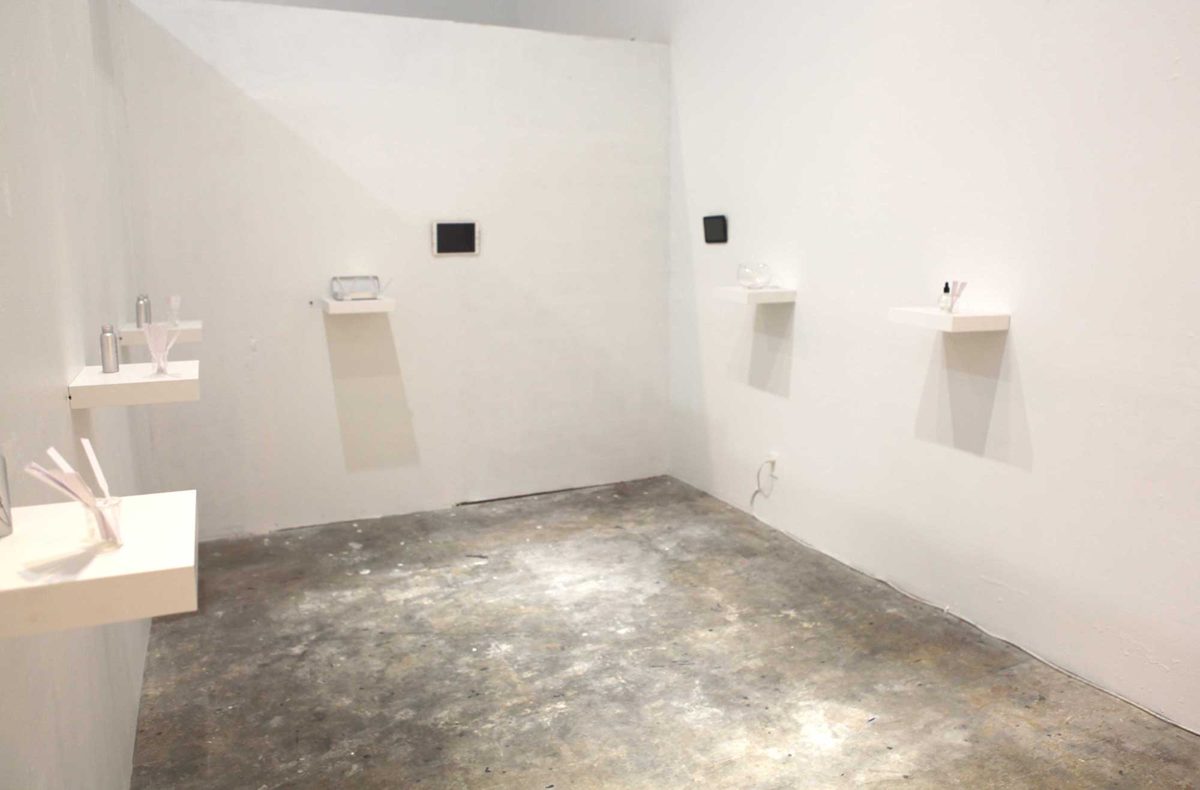
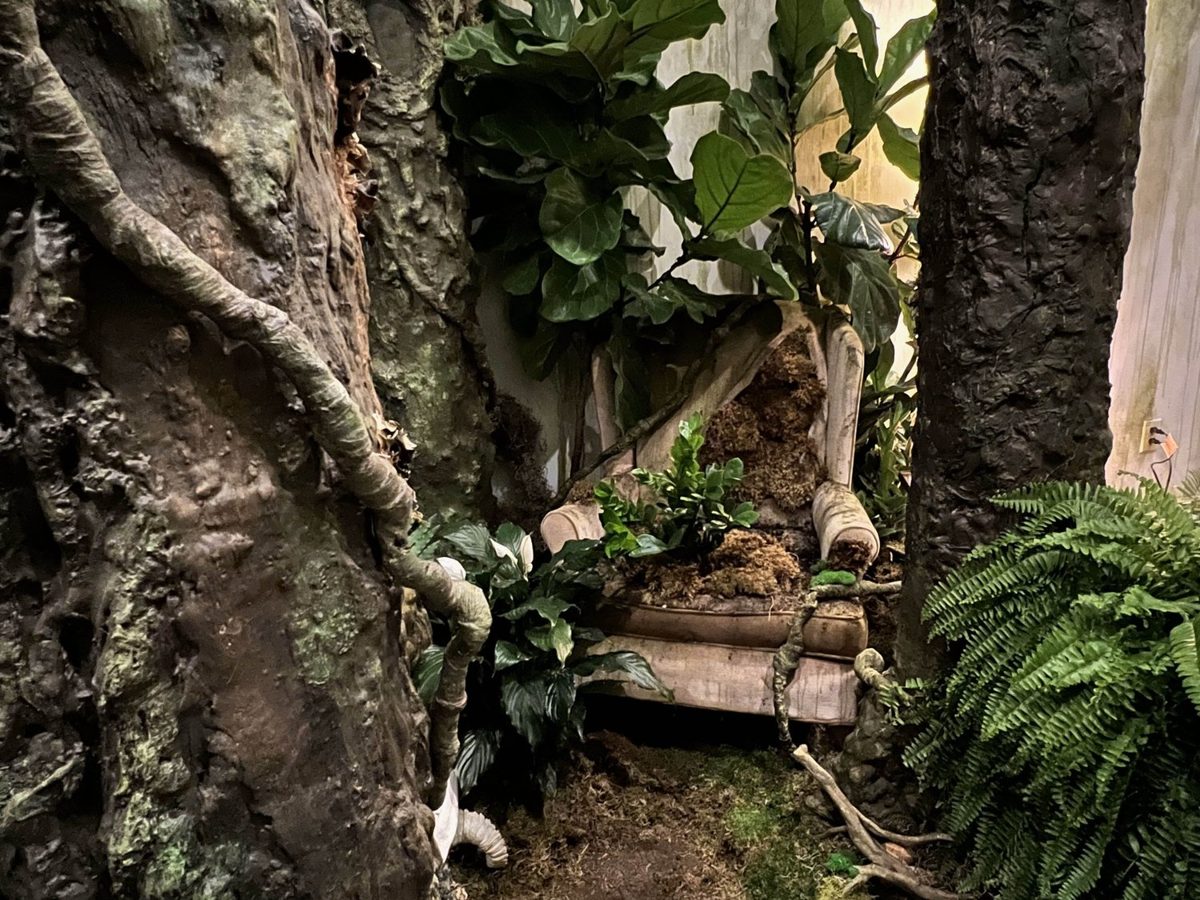
Soft Time was Ro Miller's first solo exhibition, shown at Olfactory Art Keller in New York from January 16 to February 22, 2025. It brought together four multisensory works around a single idea: scent can change how we perceive time in the places where we live.
The starting point is an opposite the exhibition calls Hard Time. Schedules, deadlines, commitments already made. The kind of time divided into hours and minutes, announced by alarms and phone notifications. It comes from outside and asks us to keep its pace.
Soft Time is the reply. Miller does not propose throwing away the clock. The work only suggests that alongside hard time, a home might hold another kind of time, looser and slower, and that this other time might be signalled by smell.
Choosing the home as the testing ground matters too. At the office, hard time is the rule. At home the boundary blurs: some mornings need no hurry, some evenings stretch on with no one counting. Soft Time wants to give those stretches a shape, and chooses scent as that shape.
Scented water and heat
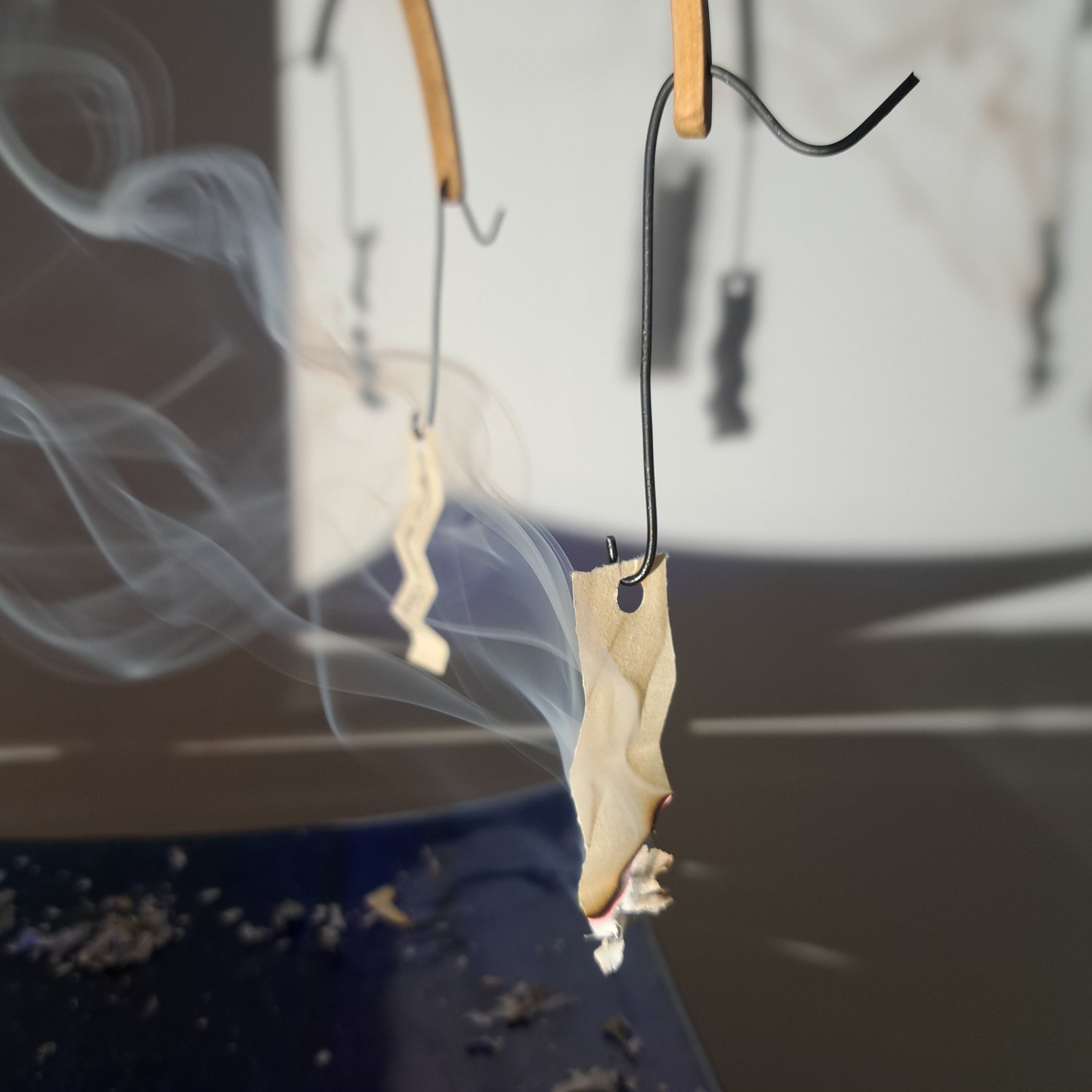
The centrepiece of the exhibition is 3 Steam. It is a sculpture that uses scented water and heat. The water is warmed, the rising steam carries scent, and the changing smell in the space becomes a way of marking time as it passes.
According to the exhibition page, 3 Steam is not meant to be an accurate timekeeper. It cares more about how the person in the room feels than about precision. That is a deliberate choice. A clock a few minutes off is a broken clock. A scent that spreads a little more slowly than yesterday is still a scent, and we still know the afternoon is moving on.
Another work is titled The Winston, made in 2025. The exhibition page shows it only through a detail image. The remaining two works are not described in the material Penta could find, so this essay does not guess at them.
Scent as concept
Most scented objects in a home run on a switch: scented or unscented. A candle is lit or out. A diffuser is running or stopped. Miller proposes ways of bringing scent into the home that move past that binary. The scent is dispensed with control, rising and falling over time, a curve rather than a button.
The exhibition also treats scent conceptually rather than materially. The smell has no job of recalling a specific object such as an orange or a cup of coffee. It is used as a signal, the way a patch of sunlight on the floor tells the hour without a number.
The idea has distant relatives in art. On Kawara turned his waking hour into a work, stamping each minute onto the I Got Up postcards. Kawara recorded hard time, precise to the minute. Miller goes the other way: time without numbers, only a room that grows fragrant and then fades.
Soft Time is not a refusal of hard time. The deadlines are still there. But the exhibition suggests that in the same room, two kinds of time can exist together, and the nose is the sense that notices the second.

Olfactory Art