
Essays · Contemporary Art
Apichatpong Weerasethakul. Fireworks (Archives).
Memory appears in a flash, then sinks back into the dark.
© Apichatpong Weerasethakul · SCAI The Bathhouse
A sculpture park at night
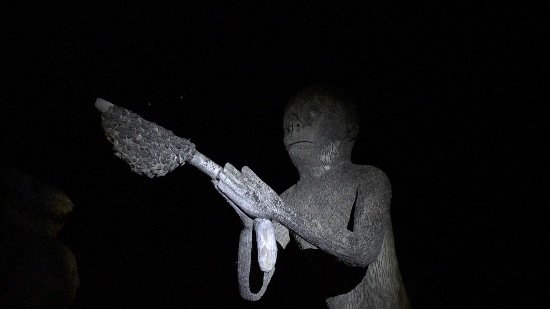
Sala Keoku is a sculpture park near Nong Khai in northeast Thailand, close to the Lao border across the Mekong. It is full of huge concrete statues: many headed serpents, elephants, monkeys, dogs, human and animal forms merging. They blend Hindu and Buddhist imagery in a very particular way, sacred and strange at once.
In 2014 Apichatpong Weerasethakul filmed here at night. No fixed lights. The light source was fireworks. Each burst lit part of the park: a serpent's head, a row of teeth, a stone hand. Then dark again.
In those flashes viewers also see actors familiar from his films, standing quietly among the statues like one more group of figures that happens to breathe.
A memory machine
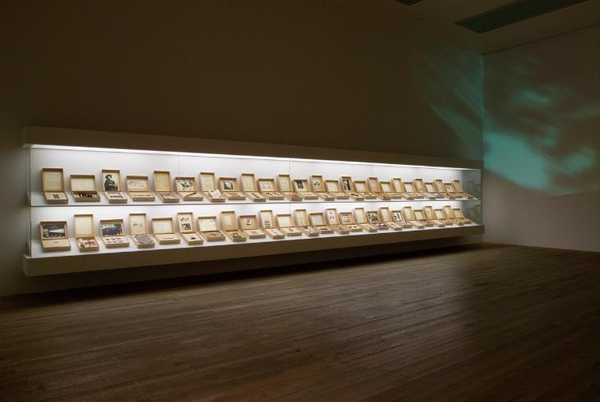
In September 2014, SCAI The Bathhouse in Tokyo presented the work in an exhibition of the same name, alongside photographs and lightboxes. In his text, the artist called Fireworks (Archives) a hallucinatory memory machine, a way of cataloguing the animal sculptures of this temple.
So the word archives is not a joke. He is recording a place, animal by animal, like a clerk. But he records it with the briefest light possible, a light that never lets you look closely.
According to the gallery, the work drew in part on scientific research into how light can trigger specific memories in brain cells. Apichatpong turns the idea into images: light touches a dark corner, and something forgotten appears. Dreams and sleep, his familiar subjects, are here too.
Statues as revolt
Apichatpong grew up in Isan, Thailand's northeast. His films return there often, with folk tales, ghosts, and a little told history of a region far from the capital.
At SCAI he read the statues of Sala Keoku as a kind of revolt. Isan long lived under pressure from Bangkok. Giant, eccentric animals that follow no rule are one way a region speaks for itself. With the actors, they commemorate both the destruction and the liberation of that land.
So the fireworks carry two meanings: celebration, and explosion with its echo of gunfire. Each time the statues flare, viewers cannot tell a festival from an attack.
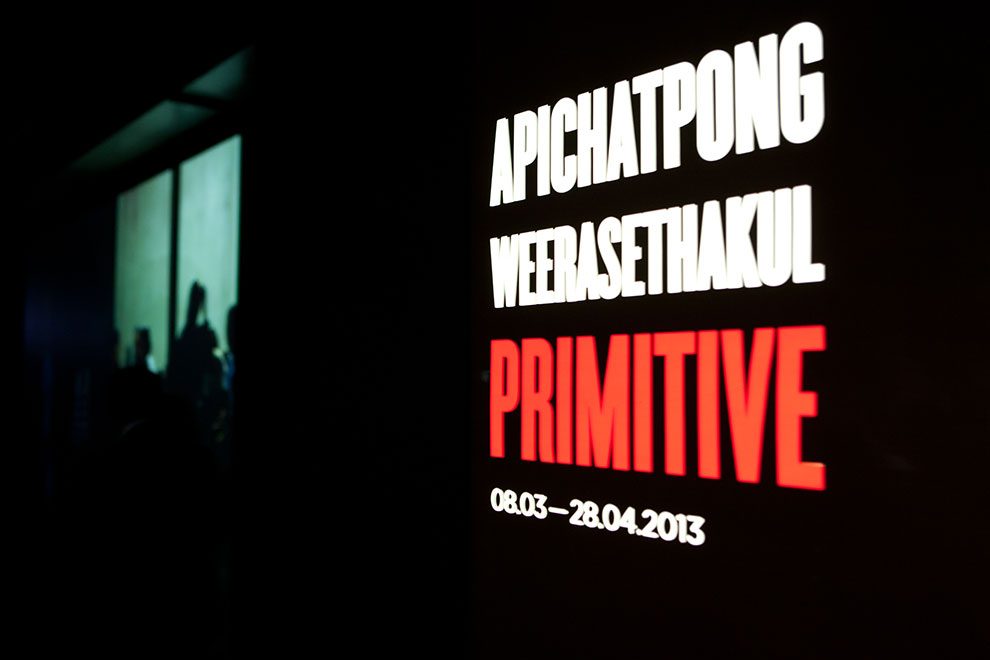
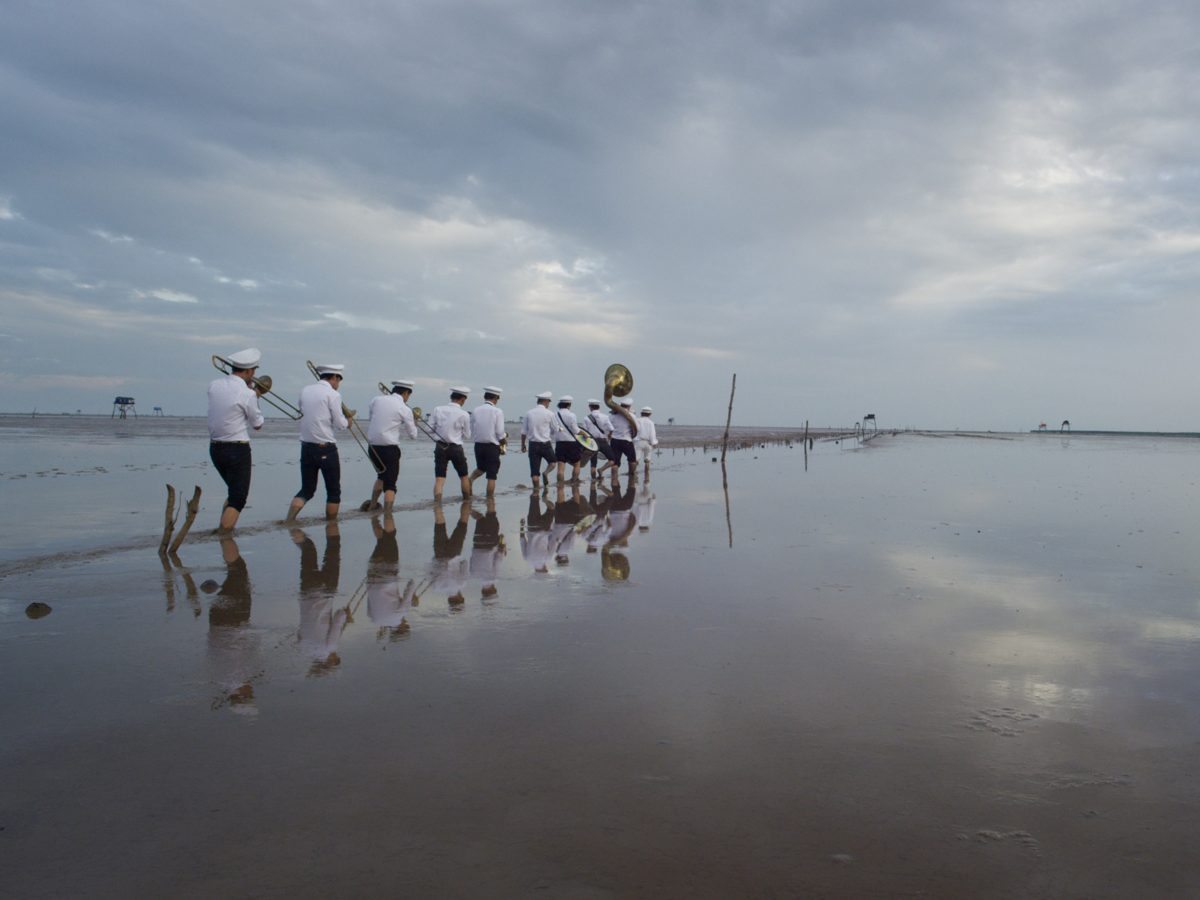
Five years earlier he made Primitive in the village of Nabua, also in Isan, about the memory of violence a village carries. Fireworks (Archives) continues that thread in stone and flashes of light.
Seeing in a blink
What stays is not the shape of any one statue. It is the rhythm: light, dark, light, dark. The eye keeps guessing what it just saw.
Apichatpong does not offer a complete archive. He offers one full of gaps, the way real memory works: we do not recall a whole place, only the fragments that were lit. After the fireworks the sky is black again, and the animals remain in the dark. They do not need to be seen to exist.
Contemporary Art