
Essays · Olfactory Art
Flankers. A scent and its copies.
Each variation is a shadow of the original.

What a flanker is
In the language of the perfume business, a flanker is a new version built on an existing bottle, keeping the old name and the main frame of the scent. The term is borrowed from sport and the military: the one who stands on the wing, beside the main formation. A flanker does not replace the original. It stands next to it.
The naming usually tells you the relationship at once. The original name, then a qualifier: Intense, Eau Fraîche, L'Eau, Nuit, Summer, Absolu. The qualifier promises a limited shift. The buyer is invited closer to something familiar, not towards something strange.
In smell, the difference can be small or fairly large. Some flankers only raise the concentration, so the scent stays longer on skin. Some change the lead character and keep one recognisable line. There are summer versions, light and clear, and winter ones, thicker and sweeter. The name is the thread that ties them.
Why a name gets stretched
In 2022 Nez magazine published a piece by Clément Paradis on the life cycle of perfumes on the market. It describes the flanker as a way for brands to lower the cost of creation and production while gaining more presence on the shelf. It also notes a loop: brands that launch more tend to sell more, so the rhythm of launches keeps rising.
Read fairly, the logic is easy to follow. A bottle people remember is a rare asset. Building a new name from nothing takes time and may fail. A flanker reuses a familiarity that already exists and keeps the original name in view. Many perfumers also treat the flanker as a real exercise: how to change a scent so that people still recognise it.
The Nez piece asks a harder question as well: does that rhythm come from what people who smell actually want, or from the marketing calendar? When every season needs something new, the new can become a small variation told as a large event. That is not the fault of any single house. It is the shape of a whole system. As early as 1970, in a collage print, Eduardo Paolozzi looked at the sizing up of perfume trends as a machine of mass media.
Variation and original
Visual art has lived with this question for a long time. A print has an edition. A photograph has many prints. A song has many mixes. No one assumes the second is automatically worse than the first. But everyone knows there is a point of origin that the others refer back to.
The flanker is a little harder because smell has no image. You cannot set two bottles side by side and look. You smell one after another, and the nose tires quickly. The memory of the original is often a memory from years ago, tied to a person, a season, a room. The comparison is never even: one version is on the skin, the other lives only in memory.
Sometimes the flanker outlives the original. Sometimes a buyer knows only the variation and never smells the first bottle. Then the question of which is the original no longer belongs to the history of the house. It belongs to the history of each person.
An object and its shadows
Penta works by the opposite rule: one code, one object. No extended editions, no seasons. This is a choice, not a verdict. The flanker answers a question from the market; Penta answers another, about keeping an observation clear.
What Penta learns from the flanker is how elastic a name is. One name can hold many scents. One scent can carry many names. Words and smells are not fixed together as tightly as we assume. Reading a label, we read a promise of kinship, not a description.
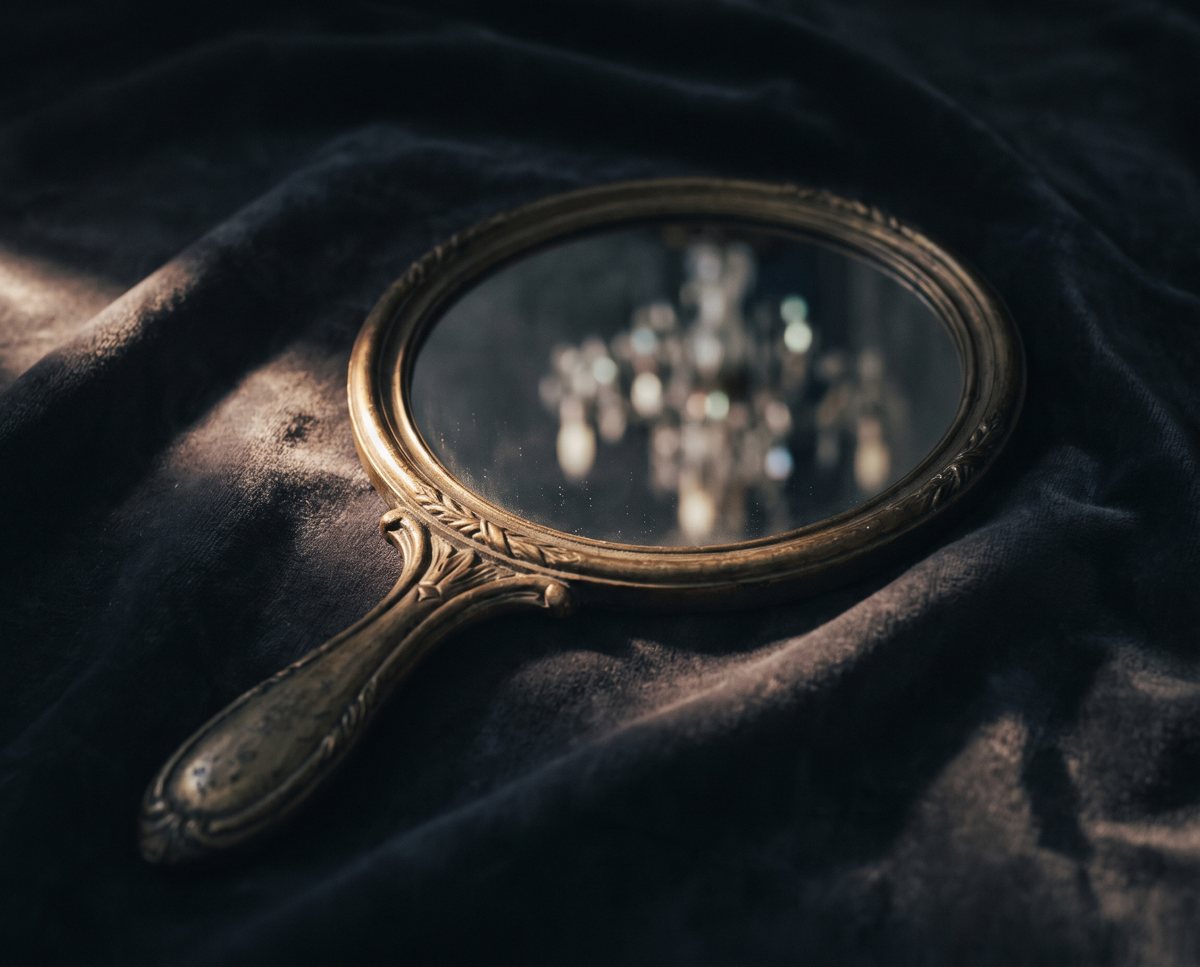
Each variation is a shadow of the original. Some shadows are long, some short, some fall the other way. The question is not whether there should be shadows. It is whether we can still see the object standing among them.

Olfactory Art