
Essays · Photography
Ishiuchi Miyako. Mother's.
The person is gone; the things keep her shape.
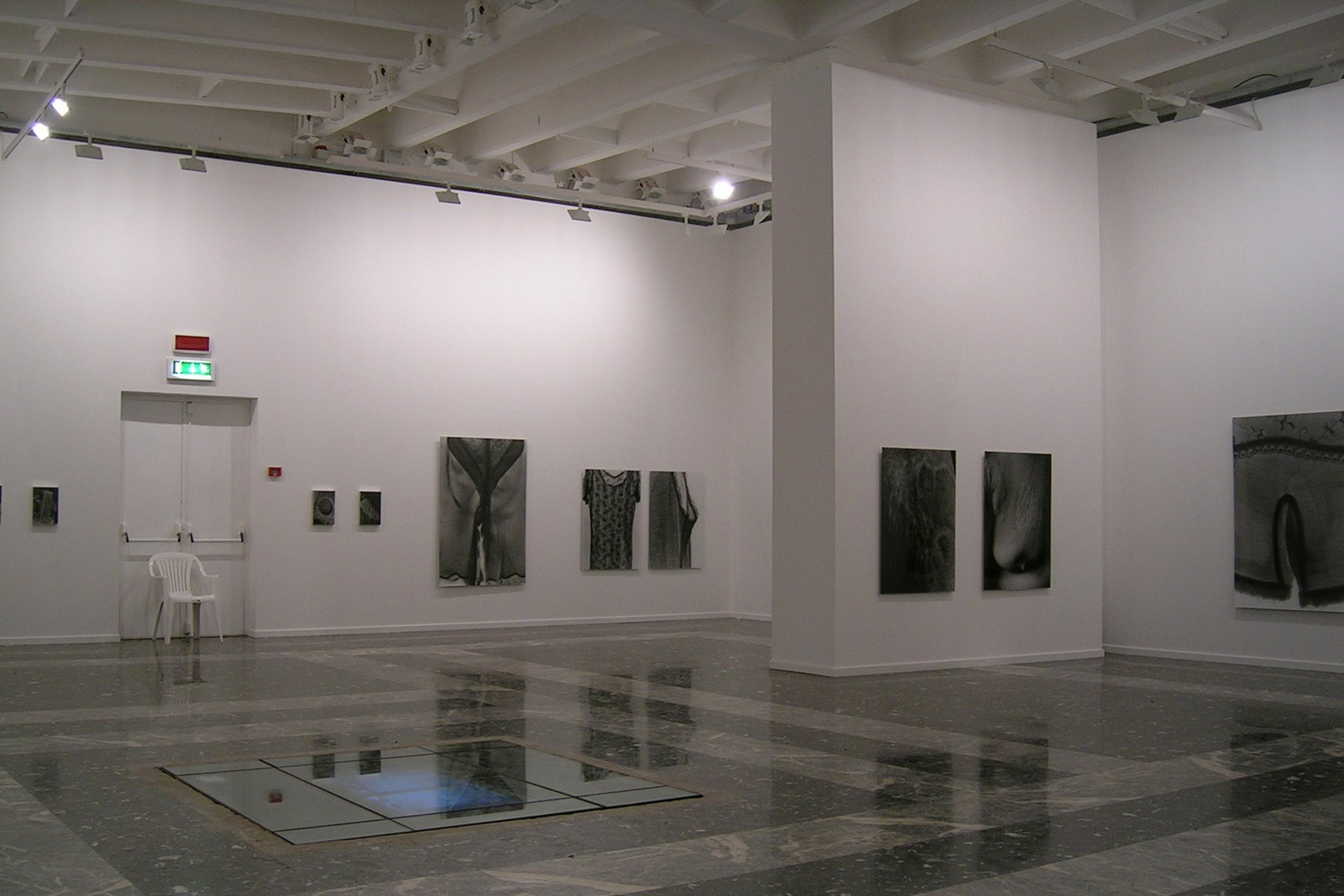
Japan Pavilion, La Biennale di Venezia · Japan Pavilion, La Biennale di Venezia
A year before her mother died
Ishiuchi Miyako was born in 1947 in Gunma Prefecture, Japan, and became known from the late 1970s for grainy black and white pictures of Yokosuka, the port city where she grew up. Later she turned to the body: hands, feet, scars on human skin.
In 2000 she began photographing her mother, then 84. She photographed her skin up close, her thinning hair, the burn scars from a kitchen accident that covered about a third of her mother's body. These were very close pictures, close enough to show the texture of skin.
Then her mother died. Ishiuchi described a grief beyond anything she could have imagined. And she kept photographing. But this time there was no body left to photograph. Only things.
Objects in place of a person
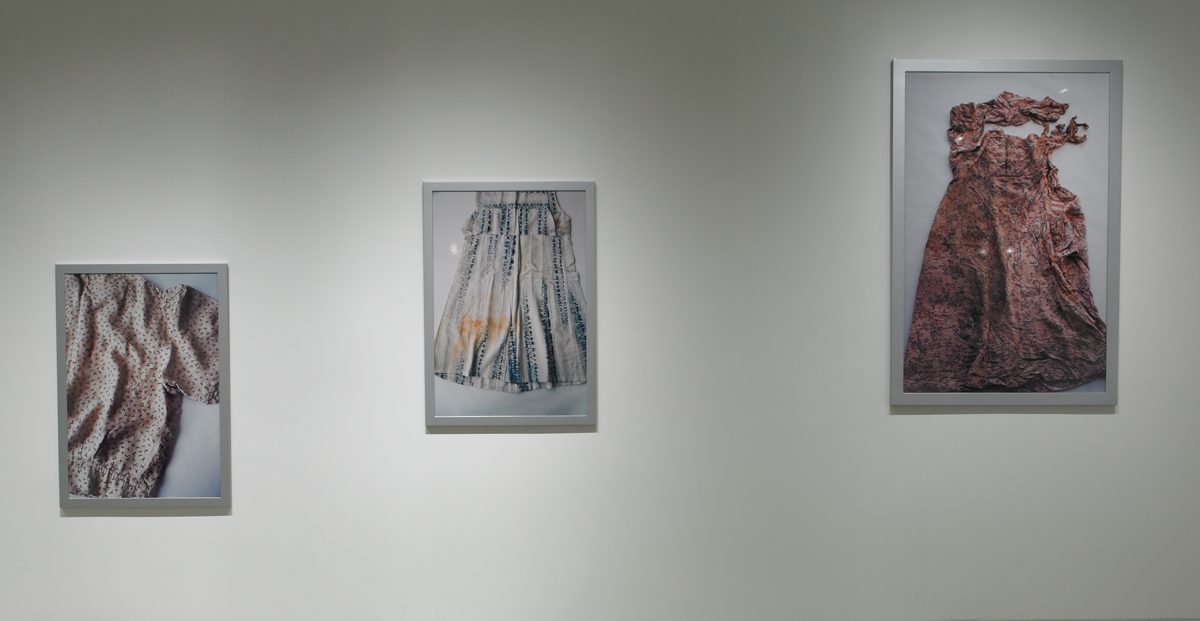
Mother's is a series about what the mother left behind. A half used lipstick. Underwear. Shoes and slippers. Worn gloves. Dentures. A hairbrush still tangled with her hair.
These are the most private of objects, the kind usually thrown away or put out of sight after a death. Ishiuchi brings them into the light. She photographs each one alone and close, the way one would make a portrait.
Many pictures in the series are in colour. It was the first major series in which Ishiuchi used colour, after years associated with black and white. Colour brings the objects closer. The colour of a used lipstick, of faded cloth, of worn leather. They are no longer documents. They are things still warm.
Looking at the pictures, the viewer slowly rebuilds a person. A woman who wore lipstick every day. Someone who walked far in those shoes. Someone who brushed her hair every morning. A portrait without a face.
A woman living her own life
The Japan Pavilion at the Venice Biennale presented the series as a portrait of a woman who tried to live her own life as an independent person, during and after the war. Through her, the work touches a whole generation of Japanese women and the changes in their place.
So Mother's is not only private mourning. These objects are traces of a specific life in a specific historical moment. Lipstick, shoes, lingerie: each says something about how a Japanese woman after the war chose her own shape.
Ishiuchi does not prettify her mother either. The pictures are not a eulogy. They are a way of looking back, slowly and carefully, at someone one had not finished looking at while she was alive.
Venice, 2005
In 2005 Mother's represented Japan at the 51st Venice Biennale, under the full title Mother's 2000-2005: traces of the future. The commissioner was Michiko Kasahara. The exhibition ran from June to November.
The pavilion held 38 photographs and a video projection covering an entire wall. Before the opening, carpet that had covered the floor for twenty years was removed, revealing the marble and a square opening of about two metres in the middle, looking down to the space beneath the building. Ishiuchi placed a monitor in that opening. Visitors had to bow their heads and look down, as into a well, or a grave.
Nine years later, in 2014, Ishiuchi received the Hasselblad Foundation International Award in Photography. After Mother's, she turned the same gaze on the belongings of strangers: the clothes of atomic bomb victims in Hiroshima.
Mother's leaves a simple idea that is hard to forget: people go, but their things keep their shape. Someone only has to be patient enough to look.
Photography