
Essays · Photography
Rinko Kawauchi. Utatane.
Between sleep and waking, nothing has a name yet.
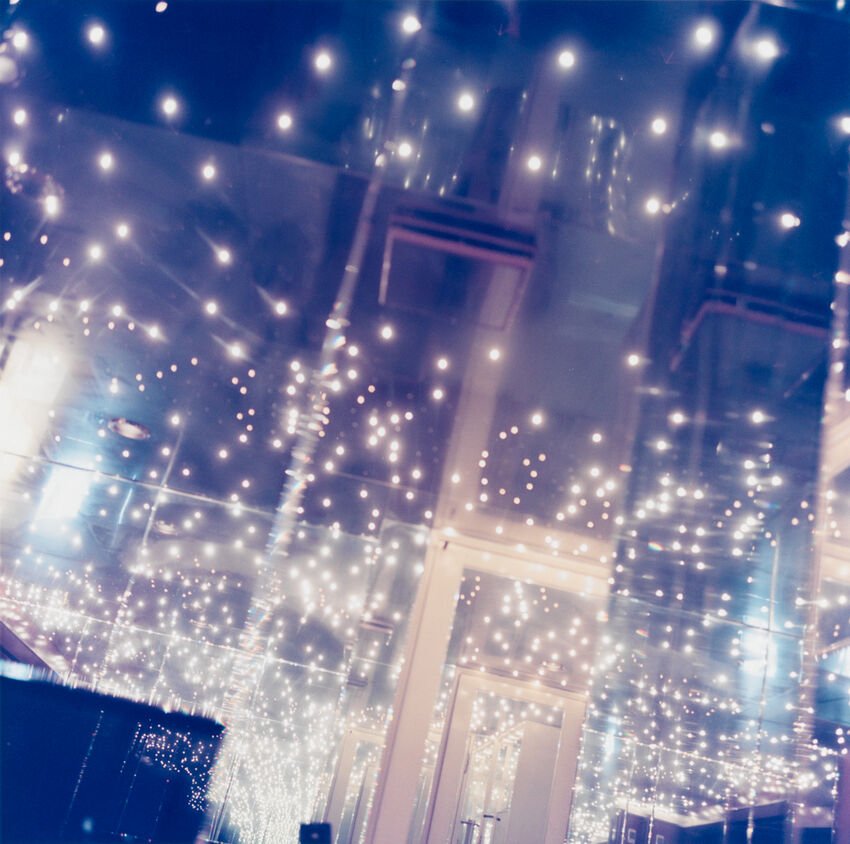
© Rinko Kawauchi · SFMOMA
Three books at once
In 2001 Rinko Kawauchi released three first books at once: Utatane, Hanabi and Hanako. She was not yet thirty. A young photographer arriving with three books together was rare, and it drew attention at once.
The following year, 2002, Kawauchi received the 27th Kimura Ihei Award for Utatane and Hanabi. Named after a major Japanese photographer, the award is often seen as the first important recognition for newcomers to the field in Japan. For Kawauchi it opened a career that has since produced more than twenty five books.
Of the three, Utatane is the one whose title speaks most clearly about her way of seeing. In Japanese, utatane is a doze, a short nap in the daytime, when one drifts off without really lying down. Not deep sleep, not full wakefulness. The space between.
Naming a first book after a half state is an unusual choice. Newcomers usually want to declare something clearly. Kawauchi chose the opposite: a title about uncertainty, about the moment when awareness is still blurred.
Seeing with eyes just opened
The pictures in Utatane are fragments of everyday life. No event, no character to follow, no journey. Kawauchi photographs what is within reach and lets the pictures stand side by side without explanation.
What sets them apart is how they are seen. Colour is often pale and a touch brighter than life. The frame is nearly square, with no preferred direction of reading. Things appear close, sometimes too close to recognise at once. Together this feels like opening your eyes after a short sleep: the world is still there, but slightly strange, slightly distant, not yet reordered by reason.
That is the state Kawauchi cares about. Awake, we look at things in order to use them: a cup to drink from, a door to pass through. In the half asleep moment, things have no use yet. They have only shape, colour and light. Utatane photographs things in that state, before they turn back into tools.
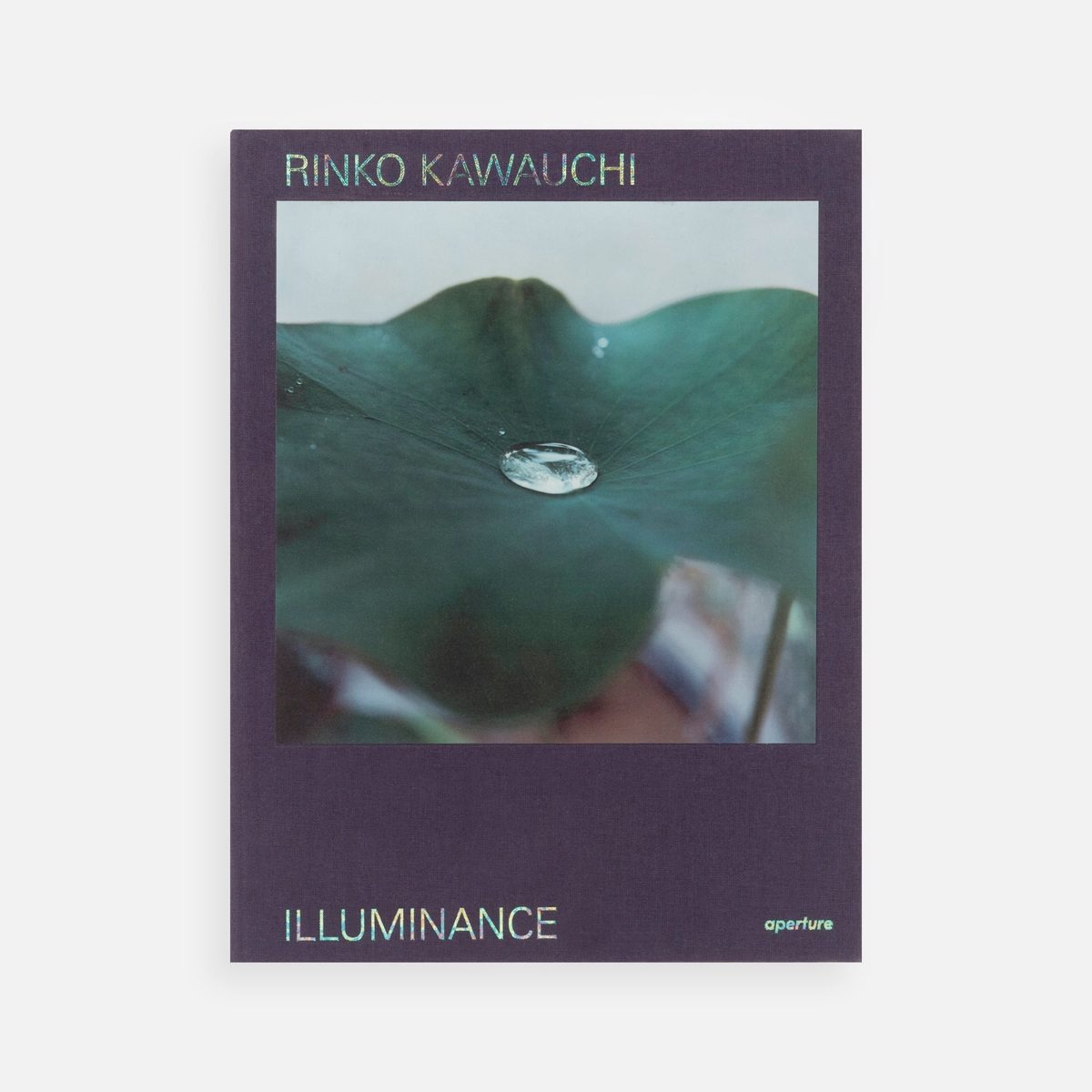
This way of seeing followed Kawauchi through her career, from Illuminance in 2011 to later series on ritual and land. But in Utatane it is at its newest, still unnamed, like the very state the book describes.
A photograph in a museum
The book is not the only place Utatane lives. The San Francisco Museum of Modern Art holds an untitled print from the series, made in 2001. It is a chromogenic print measuring 27.2 by 27.4 centimetres, almost perfectly square, given to the museum in 2014 from the Kurenboh Collection.
Taken out of the book, the picture stands alone on a wall. It loses the rhythm of turning pages and the images before and after it. But it gains something: time to look. In a museum one can stand before a small print far longer than one lingers on a page.
Its small size matters too. A picture under thirty centimetres does not overwhelm. It makes you step closer and bend a little. That gesture resembles the way we look at something just after waking: leaning in, narrowing the eyes, trying to understand what we see.
More than twenty years on, Utatane has not aged. Perhaps because the state it records belongs to no particular year. Everyone has drifted off in the middle of an afternoon, then opened their eyes to see their own room as if for the first time.
Photography