
Essays · Photography
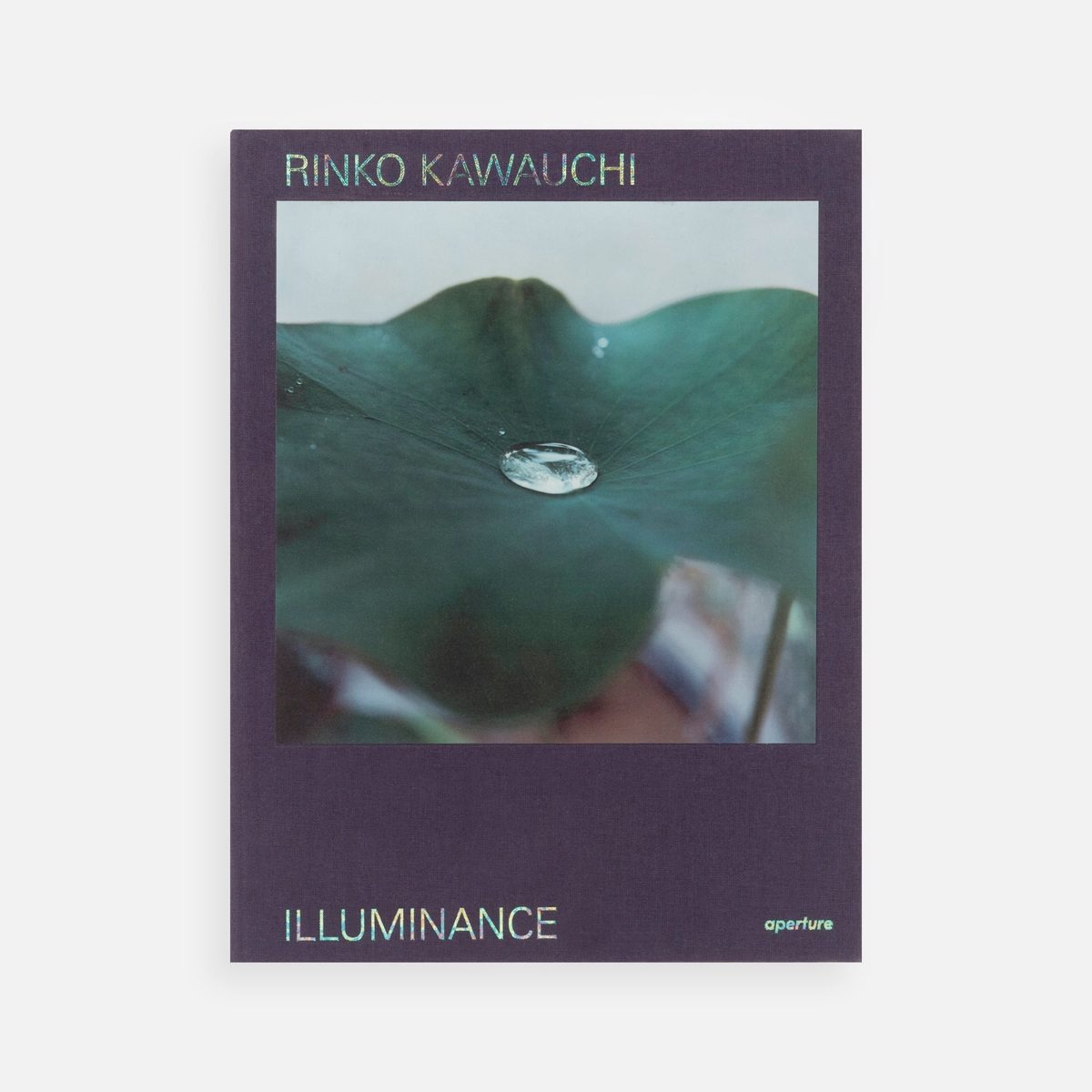
Rinko Kawauchi. Ametsuchi.
Fire crosses the grassland so the grassland can remain.
Prix Pictet · Prix Pictet
A dream that led to Aso
Ametsuchi is an old Japanese word meaning heaven and earth. Rinko Kawauchi used it as the title for a series made in Aso, a volcanic region in southern Japan, on the island of Kyushu.
As she recounts on the Prix Pictet website, it began with a dream. Around 2007 Kawauchi dreamed a scene so vivid she could not forget it. In 2008 she went to Aso for the first time, in March, the season when local people burn the fields. She returned many times in the following years. The series is dated 2012.
In earlier work Kawauchi tended to photograph what was within reach, in a house, within a day. With Ametsuchi the frame opens wide: a whole hillside burning, a whole night sky. Yet the way of seeing is still hers. Quiet, undramatic, even with fire as the subject.
Burning to keep
The field burning in Aso has a history of some 1,300 years. Each spring people set fire to the grassy slopes. The fire sweeps through last season's dry grass and clears the way for new growth. Without it, shrubs and trees would creep in and the grassland would disappear. The burning does not destroy the meadow. It is how the meadow has been kept for centuries.
A photograph can hold only one moment of that cycle. The fire in the picture is burning, but the viewer knows what follows: a blackened slope, fine ash on the soil, then green returning as the season warms. The picture does not need to show what comes next. Knowing it is what makes the fire in the frame no longer frightening. It becomes a breath of the land, repeated every year.
This is what interests Kawauchi. On the Prix Pictet site she writes of rituals handed down through generations as forms of prayer and wisdom, linking the visible world with the invisible. The fire on the Aso hills is practical farming and a rite at once. The two meanings do not come apart.
Before a burning hillside, the people tending the fire become very small. Grassland, smoke and sky are many times larger. That proportion holds exactly what concerns Kawauchi: people are not the centre of this scene. They belong to a cycle far longer than their lives, and they know it.
Invisible points of contact
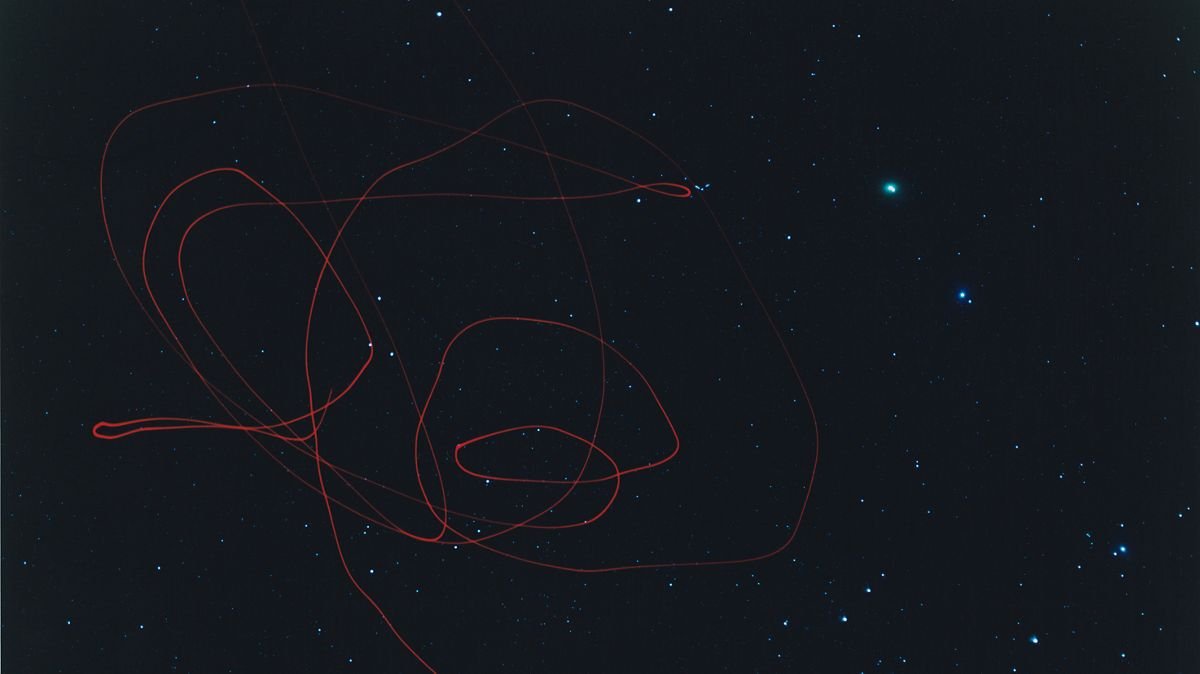
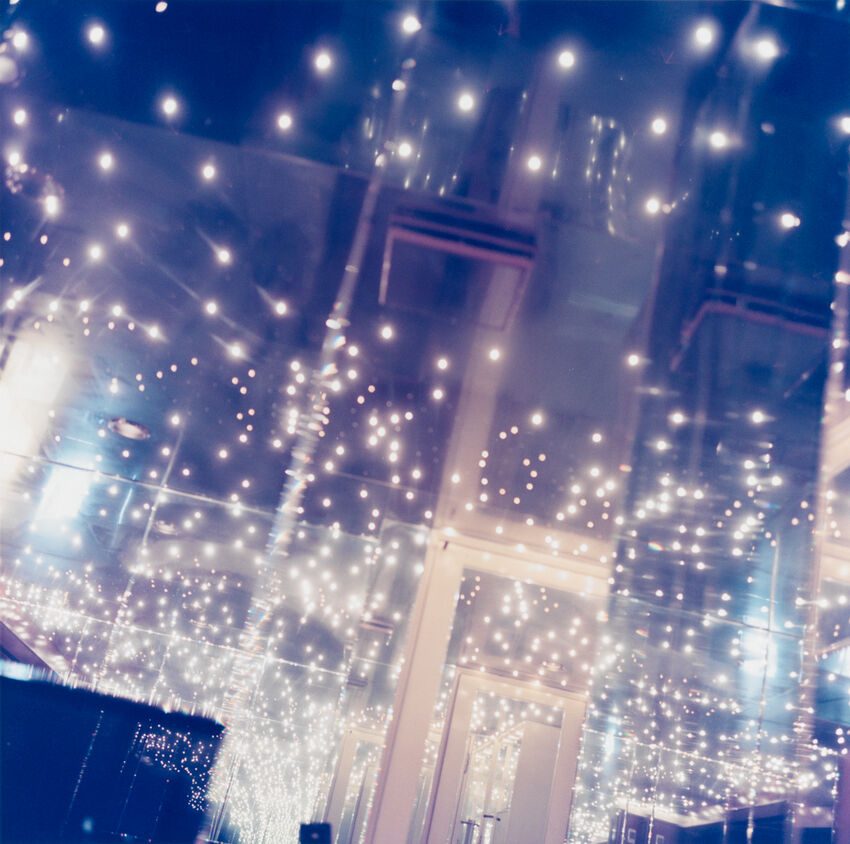
Ametsuchi is not only fire. Kawauchi places the field burning beside pictures taken in a planetarium, pictures of the starry sky, and pictures of Kagura, ritual dances offered to the gods and performed at night. At first sight they belong to different worlds: farming, science, belief.
Kawauchi has written that there is always an invisible point of contact between things that seem unrelated. Ametsuchi is an attempt to find such points. Fire on a hill and starlight overhead are both light from a distance. The yearly round of burning and the turning of the constellations are both cycles people cannot direct, only follow.
This way of pairing images continues what she began in Utatane: setting pictures side by side so they find their own connection. Here, though, the connection is no longer held within an afternoon. It stretches across thirteen hundred years.
The series was later presented in the Space cycle of the Prix Pictet, the international award for photography and the environment. The cycle's name suits Ametsuchi: this is a series about the space between heaven and earth, and about where people stand within it.
Photography