
Essays · Photography
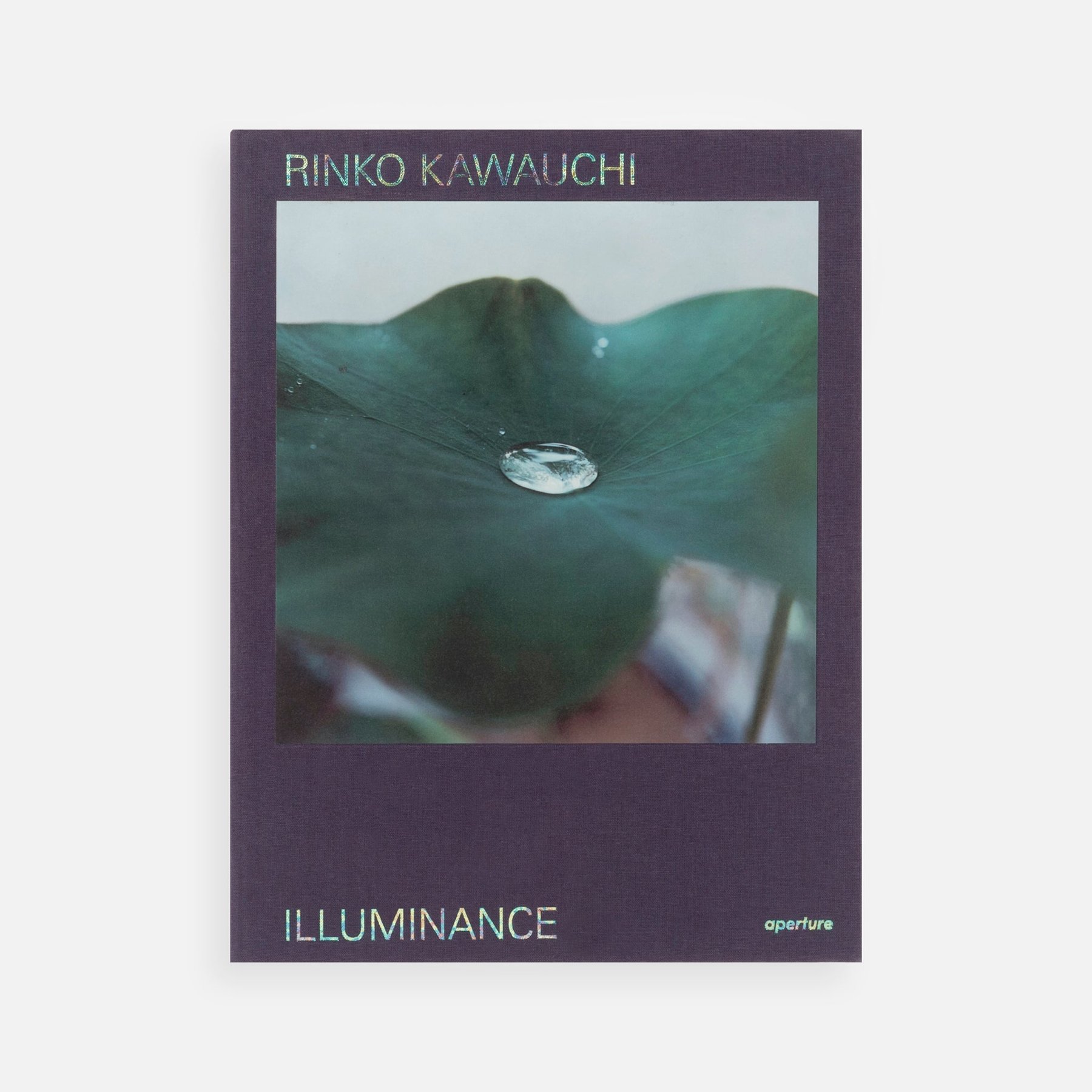
Rinko Kawauchi. Illuminance.
Two pictures side by side say what one cannot.
Aperture · Aperture
A book, not a set of pictures
Illuminance appeared in 2011. It is a photobook by Rinko Kawauchi, a Japanese photographer born in 1972 in Shiga Prefecture. She studied graphic design and photography at Seian University of Art and Design before taking up photography as her work. She has since published more than twenty five books.
For Kawauchi, a book is not a container for finished photographs. It is the work itself. The order of pages, which image sits left, which right, which only appears when the page turns, are all her decisions. A photograph from Illuminance means something different hung alone on a gallery wall.
Ten years after the first printing, in 2021, Aperture reissued Illuminance as an anniversary edition. It keeps Kawauchi's original sequence and adds texts by the curator David Chandler, the philosopher Masatake Shinohara and Aperture's creative director Lesley A. Martin. Keeping the sequence intact shows an understanding that this is the part not to be touched.
Things no one photographs
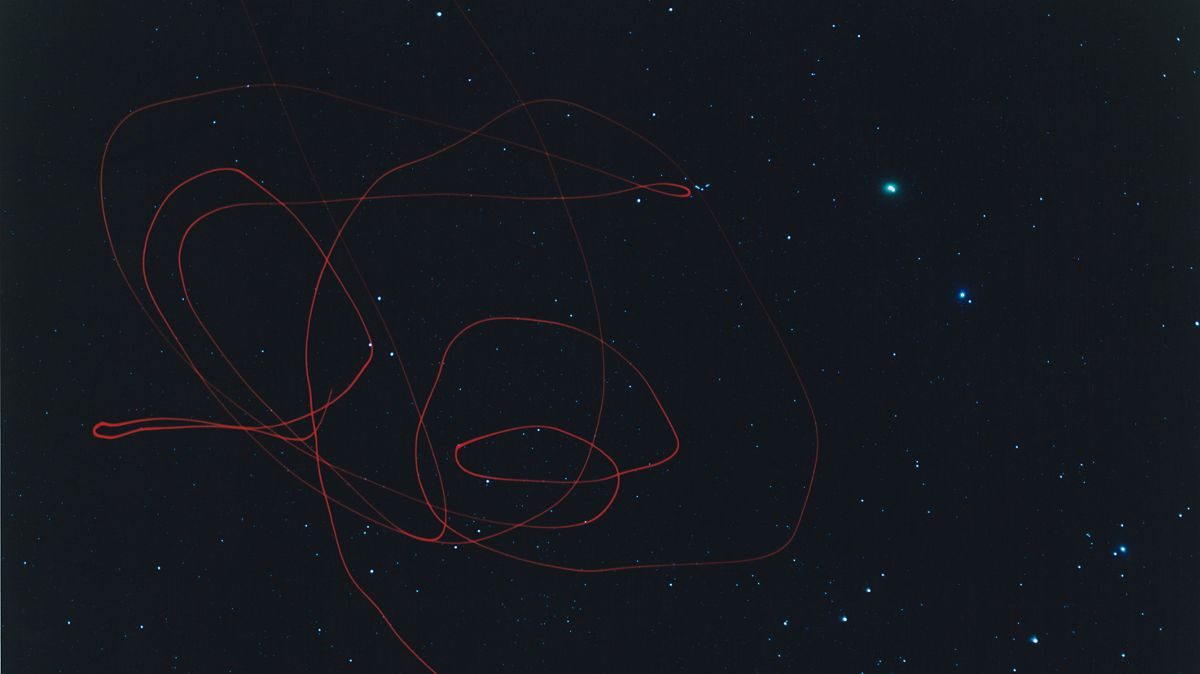
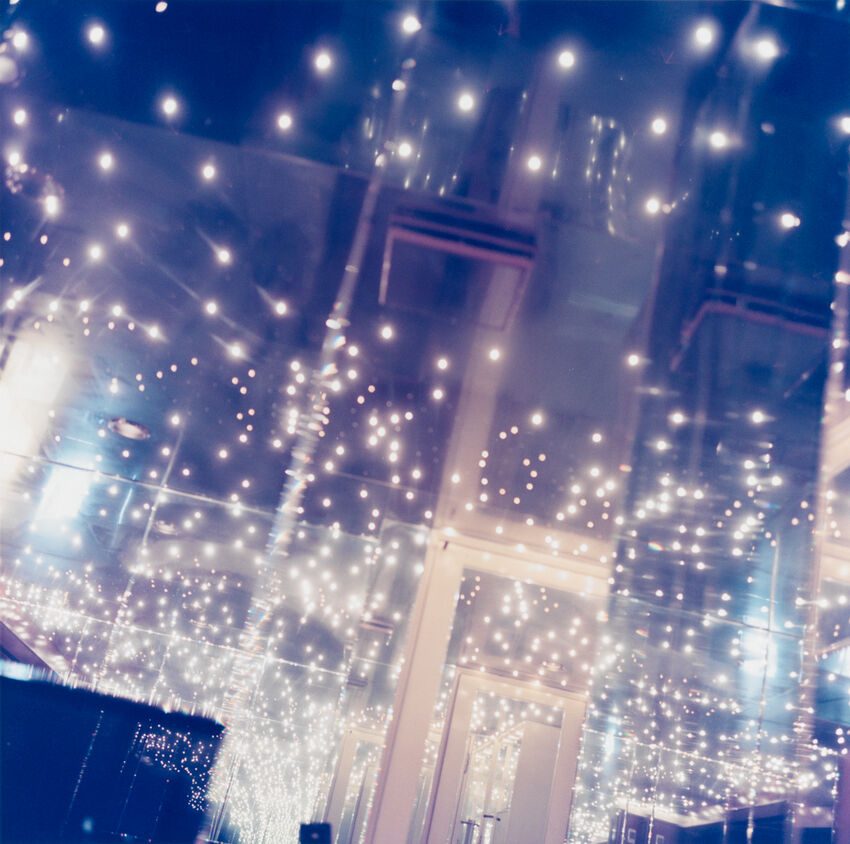
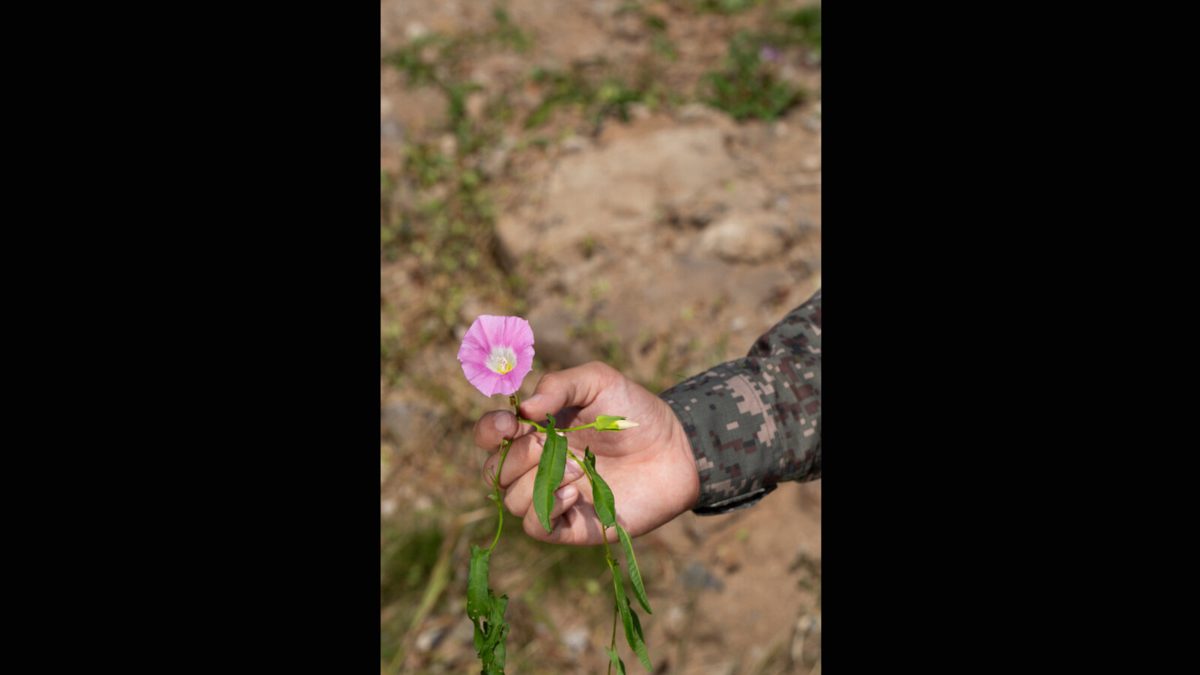
The contents of Illuminance are close at hand: light, gestures, the small scraps of a day. The kind of moment everyone has walked past. No protagonist to follow, no landmark to recognise, no event to recount.
Most photographers would pass these moments by as too small to make a story. Kawauchi stops there. The light in her pictures is often soft and slightly pale, the colour a little brighter than life, as if seen through a thin layer of air. The title, Illuminance, is a term from physics: the amount of light falling on a surface. It names the book's real subject plainly. Not things, but light at the moment it meets things.
Aperture describes the book through three elements: closely observed gestures, everyday detail and a finely chosen palette. None of them is showy. Their weight appears only together, page after page.
There is something worth noticing in that choice of title. Illuminance does not depend on what is lit. A sheet of white paper and a grey pebble under the same source receive the same amount of light. What differs is how each surface answers. Kawauchi photographs that answer: water catching light differently from skin, a leaf differently from a wall. Each page is another surface standing under the same light.
The rhythm of turning pages
Reading a book like Illuminance is like listening to music without words. Facing pages may be joined by shape, by colour, by brightness, or only by a feeling hard to name. No caption explains why they sit together. The viewer feels the connection, or does not. Both are ways of reading.
That is why the book was so widely discussed after it appeared. In 2012 Kawauchi was shortlisted for the Deutsche Börse Photography Prize. She had already received the Kimura Ihei Award in 2002 and the International Center of Photography's Infinity Award in 2009.
Beyond prizes, what stays after the book is closed is a way of seeing. After Illuminance, a patch of sun on a kitchen floor seems a little more worth noticing. The book does not take us anywhere new. It returns us to familiar places with slower eyes.
A decade earlier, in Utatane, Kawauchi had begun looking for the strange inside small things. Illuminance shows her still with that question, learning to arrange its answers into a longer rhythm.
Photography