
Essays · Olfactory Art
Jean Carles. The man who taught the nose.
A remembered smell is a real smell too.
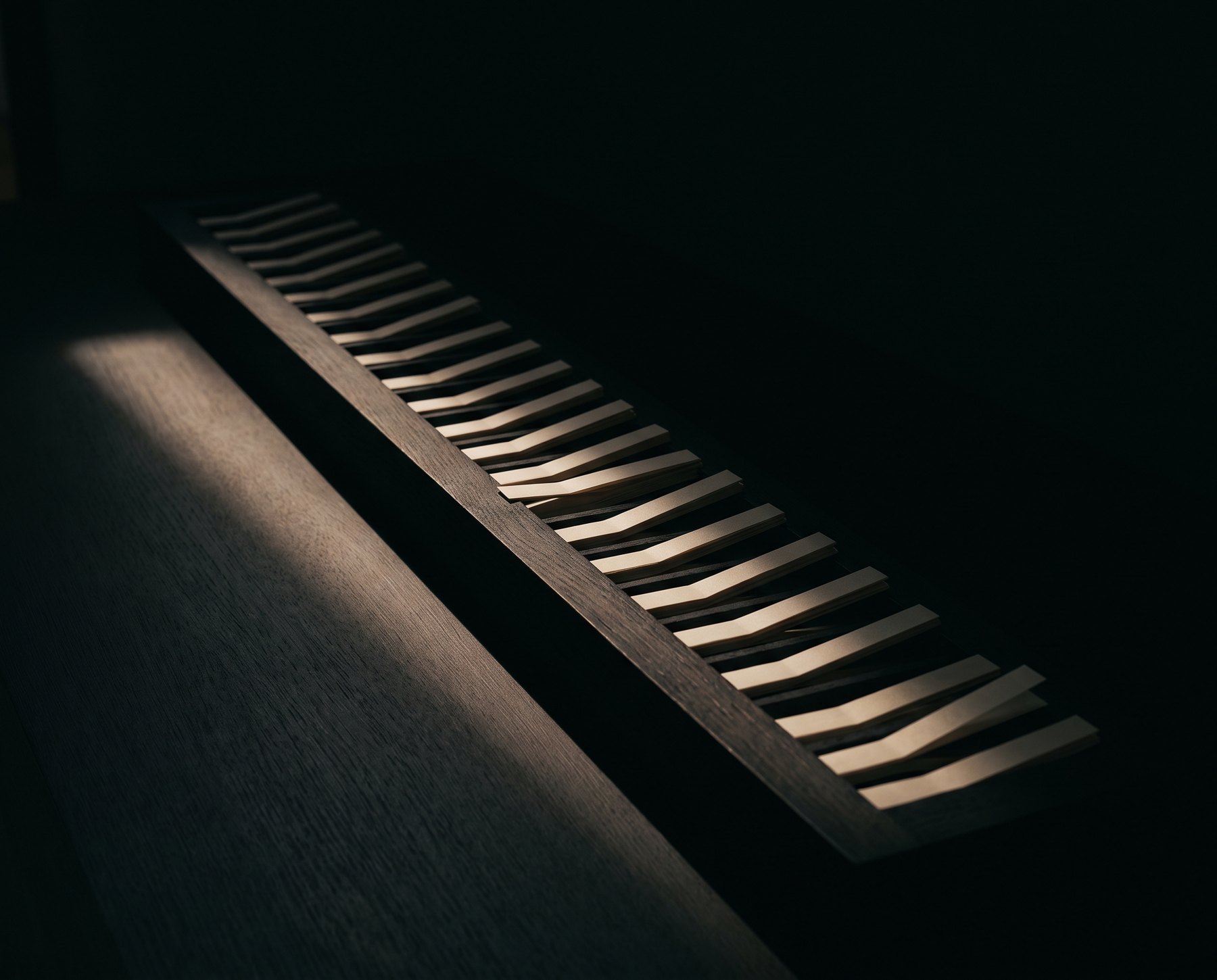
Grasse, 1946: a school for the nose
Jean Carles was born in 1892 and died in 1966. Most of his working life was bound to Roure Bertrand Fils & Justin Dupont, a Grasse producer of raw materials and scents, later part of Givaudan.
At Roure he was known for making bases: small blends used as if they were a single material, letting perfumers work faster. He also wrote short formulas with few ingredients that still produced lasting perfumes. Tabu for Dana in 1932. Shocking for Schiaparelli in 1937. Ma Griffe for Carven in 1946. Miss Dior in 1947, with Paul Vacher.
Before there was a school, he was already coaching young people in the lab. In 1946 it became official: Roure opened a perfumery school with Carles at its head. Among his students was Jacques Polge, later the perfumer of Chanel. His son, Marcel Carles, took over the school after him.
One detail stands out. Carles preferred students without a chemistry background. He was not looking for people who understood molecules. He was looking for people willing to sit and smell.
Learning by contrast
His method is set out in the series A Method of Creation in Perfumery; circulating copies are dated 1961. It starts from a blunt observation: most of his own teachers worked by trial and error, adding drop after drop without a plan. He wanted learners to have a frame.
He also held that there is no special inborn nose. What sets a perfumer apart is olfactory memory, and that memory comes from daily practice.
The first exercise is to smell every material in a deliberate order. First, pairs that differ sharply, so the nose can sort the large groups. Only then materials close to one another within a family, where the differences are small and slippery. The student moves from the easy to tell apart toward the nearly identical.
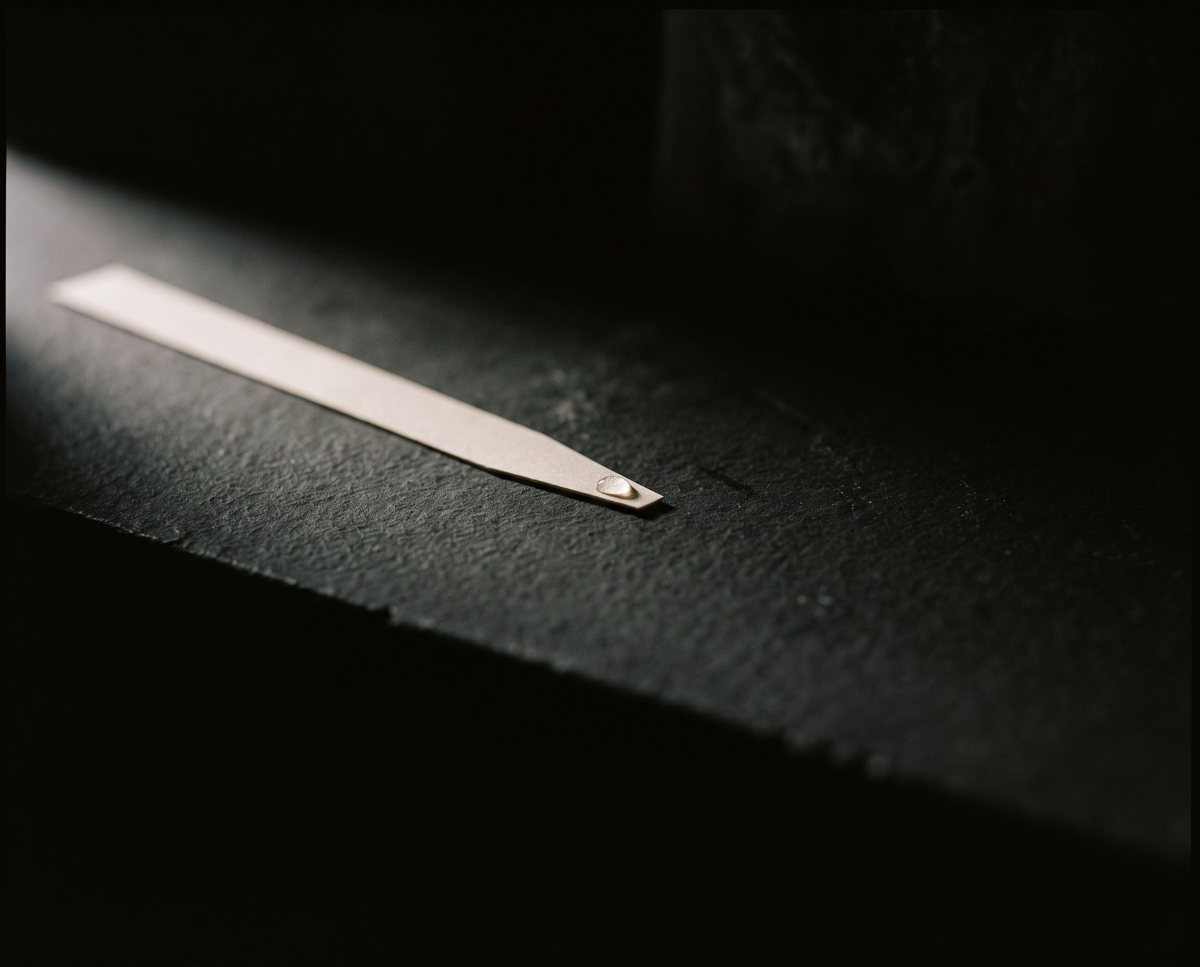
The second exercise is time. Put a drop on a strip, note the hour. Come back again and again, note when the material starts to lose its own character. From this each person builds a table: a fast group, a middle group he called modifiers, and a slow, lasting group where he believed a perfume's true character sits. Carles insisted that building one's own table teaches faster than copying someone else's.
Composing in the head first
One of his ideas is often repeated: a perfume should be built in the mind and written on paper before any bottle is opened. Mixing is the last step, not the search.
He built from the bottom up. Choose the slow material that will set the character. Add a second that suits it, test it across a series of shifting proportions, keep the one where the main material still leads. Then the middle group, to soften the harsh opening. The fast group comes last, and he allowed it the most freedom.
It is the working method of an architect more than an improviser. The drawing comes first. The material follows. And the drawing is made of memory: the perfumer must already know how each material will behave after an hour, a day, a week.
When the nose weakens
Histories of the trade record that late in life Carles lost part of his ability to smell. He kept composing, relying on what he knew of how materials would turn out side by side. The story is often told, but its extent and timing are unclear, so Penta holds it only as something recorded, nothing more.
Still, it fits his whole method strangely well. If a perfume is made in the head first, and if olfactory memory is trained rather than given, then losing part of the nose does not mean losing the craft. The store is still there. The keeper still knows every shelf.
Today the division of materials by volatility that Carles taught is present in nearly every perfumery class. It is not a theory of smell. It is a record of how materials change over time, observable on a strip of white paper. Students still sit, smell, note the hour, come back. It is still his exercise. Set him beside the contemporary perfumers of Nez à nez and the trade still begins with the same act: sit down and smell.
Olfactory Art