
Essays · Fashion as Design
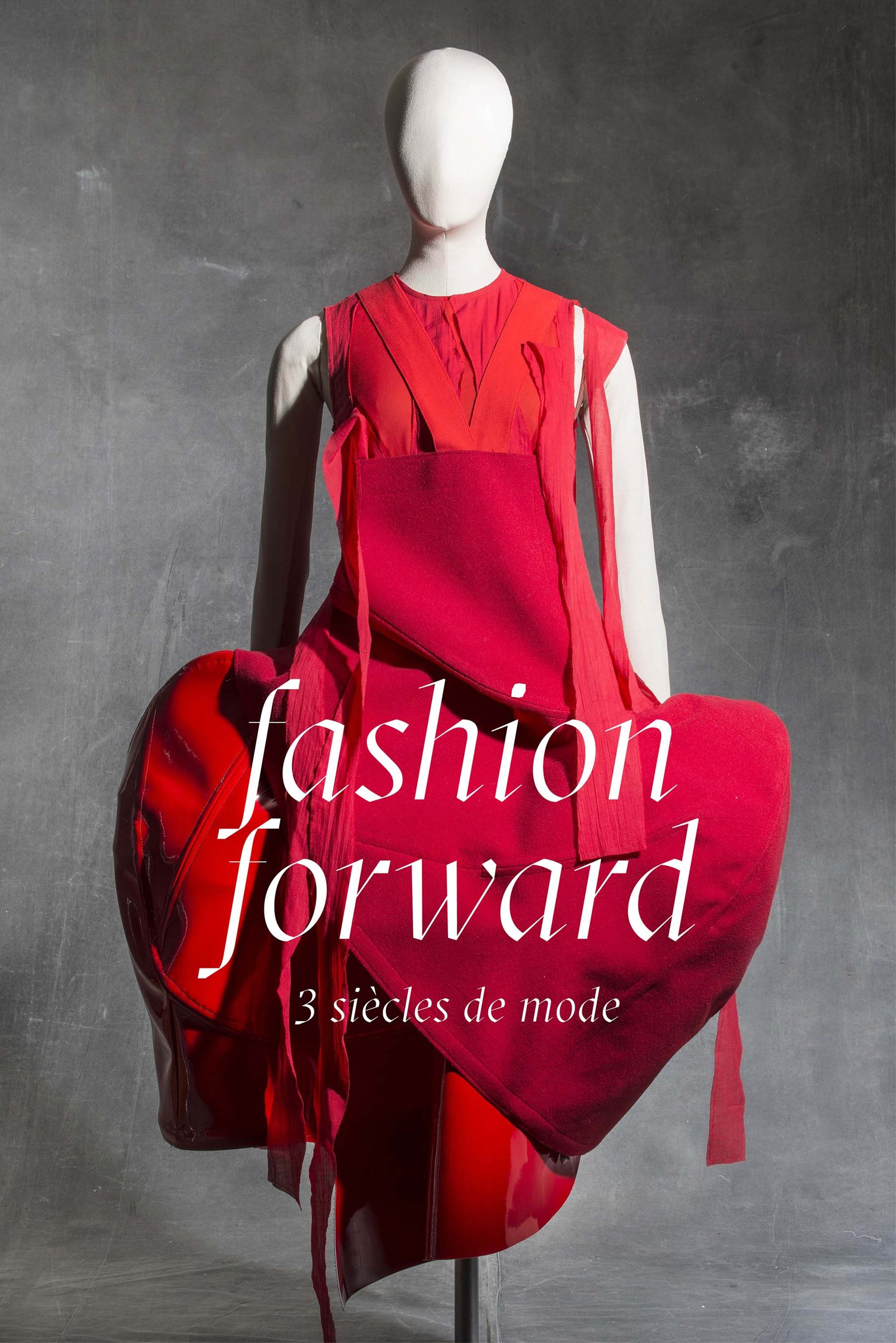
Fashion Forward, 3 siècles de mode.
Each era has its way of standing. Clothes remember it.
Musée des Arts Décoratifs (MAD Paris) · Musée des Arts Décoratifs (MAD Paris)
Thirty years of a collection
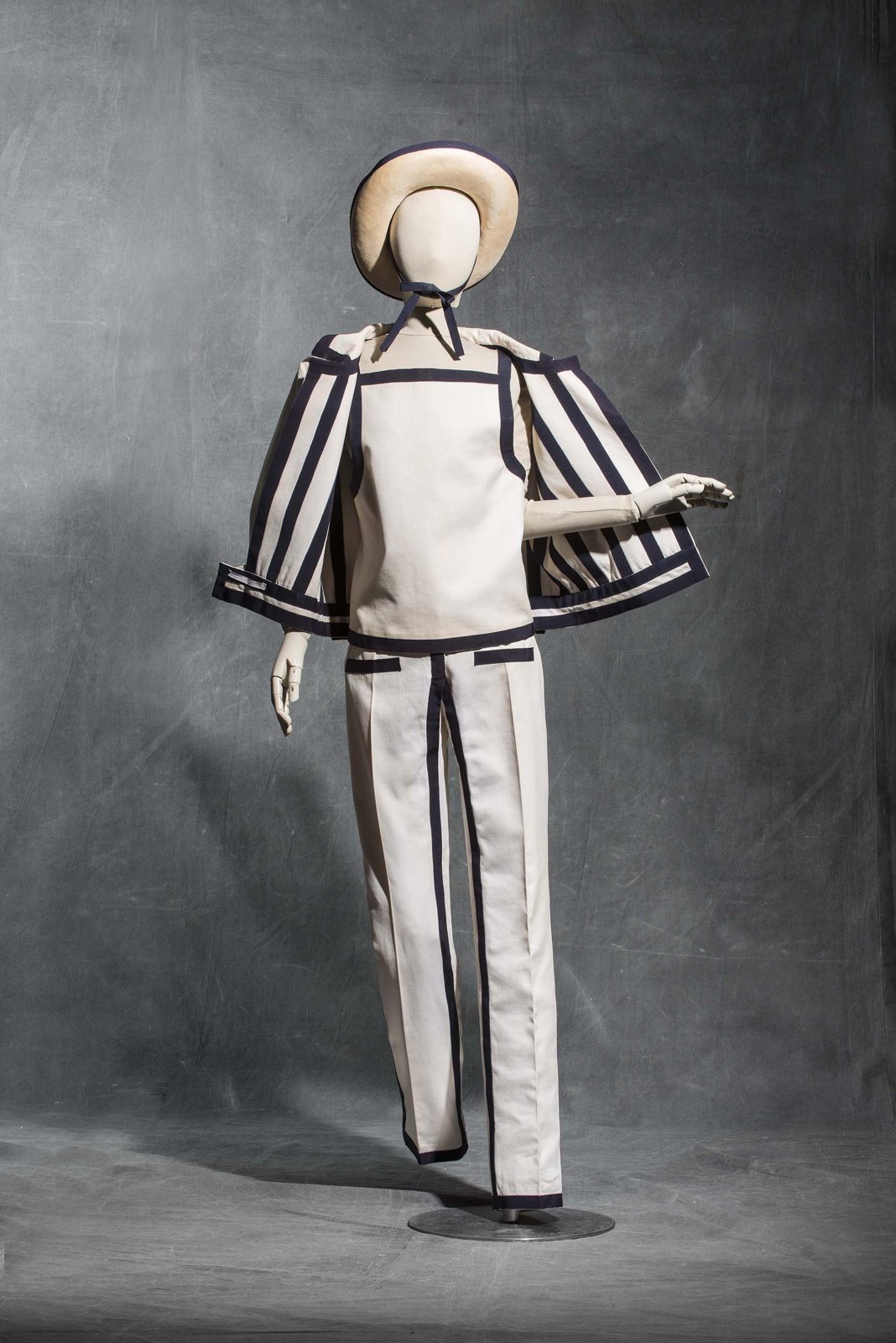
Fashion Forward, 3 siècles de mode, 1715 to 2016 opened at the Musée des Arts Décoratifs in Paris from 7 April to 14 August 2016. It showed around 300 garments, from the late seventeenth century to 2016.
The occasion was an anniversary. In 1986 the Musée des Arts de la Mode opened, giving the museum's fashion collection a home of its own. Thirty years later, Fashion Forward was the museum looking back at what it had kept.
The collection came from two sources. One was the Musée des Arts Décoratifs' own collection, begun in 1864. The other was that of the Union Française des Arts du Costume, founded in 1948. Together the museum now holds more than 150,000 fashion and textile items.
That number is hard to picture. Over a hundred and fifty thousand objects: coats, dresses, gloves, fans, shoes, fragments of cloth, embroidery samples. The 300 chosen for the exhibition were a small fraction, like a quotation from a thick book.
The list of makers reads almost like an index of Paris fashion history. Charles Frederick Worth. Jacques Doucet. Paul Poiret. Jeanne Lanvin. Madeleine Vionnet. Gabrielle Chanel. Christian Dior. Elsa Schiaparelli. Cristóbal Balenciaga. Yves Saint Laurent. Azzedine Alaïa.
Then more recent names: Hussein Chalayan, Comme des Garçons, Karl Lagerfeld, Nicolas Ghesquière. Each asked a different question of the body. Some freed the waist, some rebuilt volume, some cut cloth like paper.
Walking through, visitors saw the figure change constantly. Skirts widened then narrowed. Waists rose then fell. Shoulders swelled then vanished. There is no straight line forward. Fashion circles back and takes up what it dropped.
Penta has written separately about Paul Poiret, who stands in the middle of that list, also through an exhibition at the Musée des Arts Décoratifs. His name is often linked to removing the corset from the female silhouette.
A choreographer in the museum
What set Fashion Forward apart was its team. The general curator was Pamela Golbin, with associate curators Denis Bruna and Marie Sophie Carron de la Carrière. Artistic direction, though, went to Christopher Wheeldon, the British choreographer and Tony Award winner.
Wheeldon worked with the scenographer Jérôme Kaplan and the creative director Marc Ascoli. Dancers from the Opéra de Paris created movements for the exhibition, drawing attention to the silhouettes and postures of each period.
The choice changes how clothes are seen in a museum. Usually garments stand on identical upright mannequins. Here the question was: how did the wearer stand, walk, bend? A hooped skirt demands one kind of step. A padded shoulder jacket demands another.
Seen this way, clothing is a record of movement. It keeps the stance of an era even after its wearer is gone.
The museum as a great wardrobe
A fashion museum does something odd. It keeps things made to be used and worn out. Clothes are sewn to be worn, washed, frayed, discarded. In museum storage they are wrapped in tissue, boxed, held at steady temperature and humidity. They stop ageing.
Fashion Forward opened that wardrobe once, for four months. Three centuries stood together in one space. Then the exhibition closed and the clothes went back into their boxes.
What stays with the visitor is not any single garment but a sense of rhythm. The figure shifts with time. Each era believes its shape is natural. And each of those shapes is later wrapped in tissue and stored in the same place.
Fashion as Design