
Essays · Olfactory Art
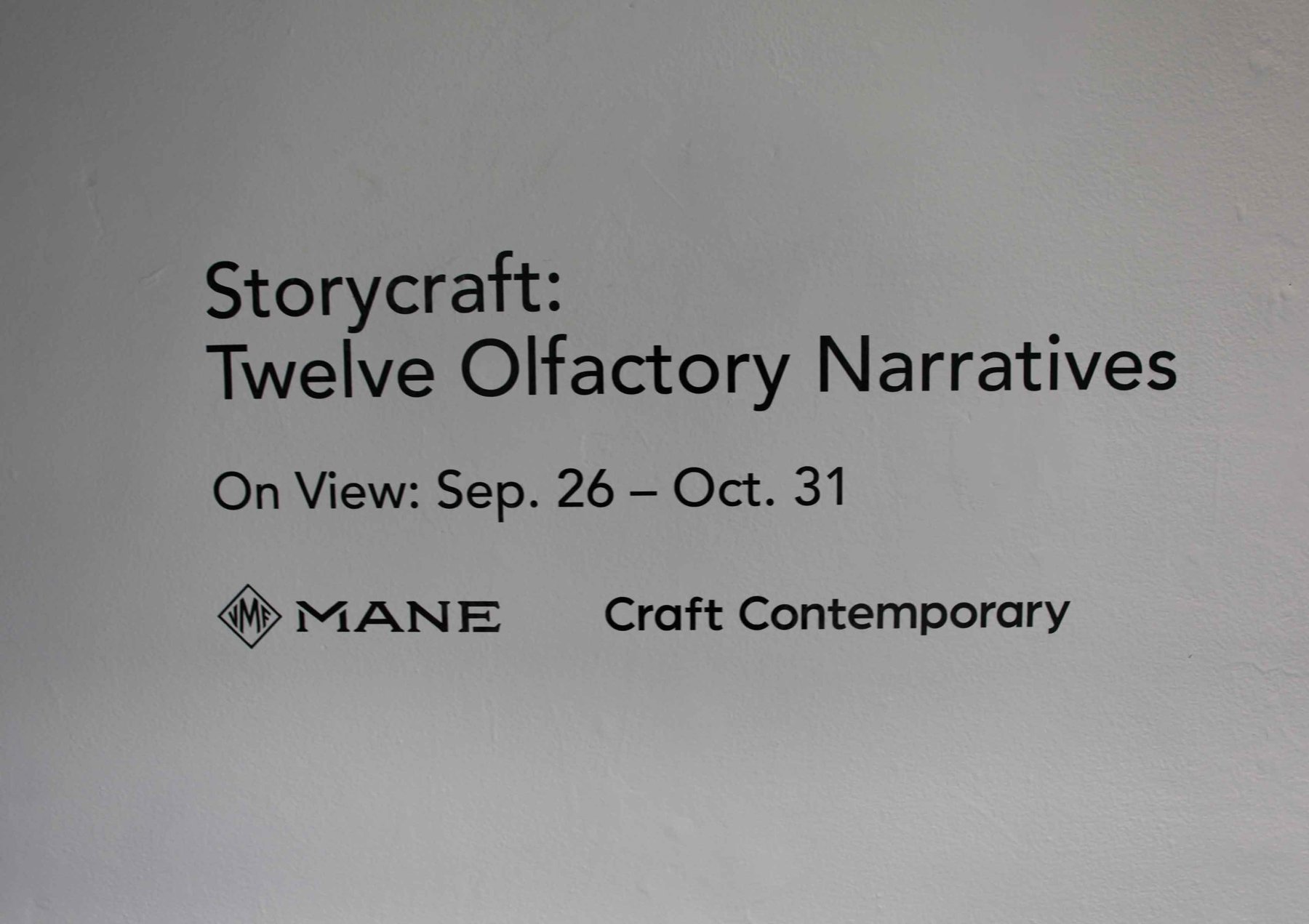
Storycraft: Twelve Olfactory Narratives.
Scent has no words. To tell a story, it needs an object beside it.
Institute for Art and Olfaction · Institute for Art and Olfaction
Six hours every Saturday
In the summer of 2025, Craft Contemporary, a museum in Los Angeles, opened a residency with the Institute for Art and Olfaction, usually called the IAO. The programme was named IAO Olfactory Storylab. It ran from early June to early September.
The method was tight. Every Saturday, one perfumer came to the museum. They had six hours. In front of them was a curated set of materials supplied by MANE, a large French maker of scent and flavour materials. The brief was fixed too: use those materials to interpret a myth, a cultural memory, or a work of art.
Six hours is short. The materials were limited. The story had already been told by someone else. These three limits make the results closer to sketches than to finished perfumes. That is exactly what makes them worth seeing. A sketch shows how a person thinks more clearly than a polished work does.
When summer ended, the twelve contributions left the museum for the IAO gallery on Chung King Road in Chinatown. Storycraft: Twelve Olfactory Narratives ran from 26 September to 31 October 2025.
Twelve contributions, twelve stories
The list of participants reads like a community rather than a line of stars. Dana El Masri. Daniel Krasofski. Debbie Lin and Na-Moya Lawrence, working together as SAMAR. Joe Merrell. Julianne Lee. L'lia 'Tizzle' Thomas. Maxwell Williams. Minetta Rogers. Miss Layla. Persephenie. Terry Carter. And Saskia Wilson-Brown, who founded the IAO.
Some run small Los Angeles labels. Some belong to the IAO itself. Some work with botanical oils, others in a more laboratory manner. Nobody was asked to show off technique. They were asked to tell.
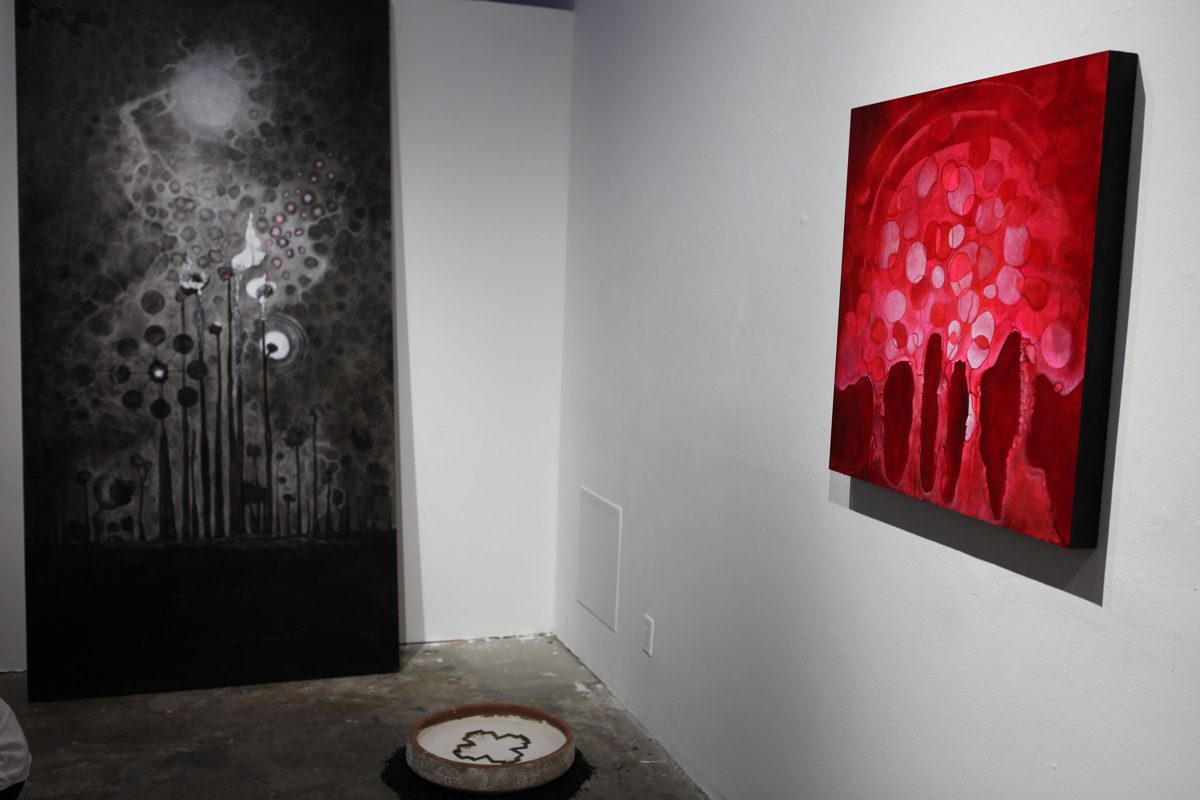
For the gallery, each was given one more task: choose an image or a small object to set beside their scent. This is the decisive step. At the museum, the scent was the outcome of a working day. In the gallery, it becomes an exhibit, and an exhibit needs a context.
The IAO describes how to see the show with a simple request: smell slowly, smell with care. There is no shortcut. The visitor has to lean in, pause, and only then look at the picture or object beside it.
Does a scent need a picture
The question under the exhibition is clear: does a scent tell a story better when it comes with images and words? The question is not new, but it is rarely tested this plainly, with twelve examples side by side.
There are two possibilities. The picture can help. It gives the nose something to hold, so the smell does not drift into a vague sense of pleasant or unpleasant. But the picture can also take over. The eye is faster than the nose. Once we have seen an image, we tend to smell in order to confirm it, not in order to search.
The show does not answer for the visitor. Each pairing of scent and object strikes a different balance. In some, the object is a small hint. In others, the object is almost the whole story. Walking past twelve pairings, visitors find out which sense they trust more.
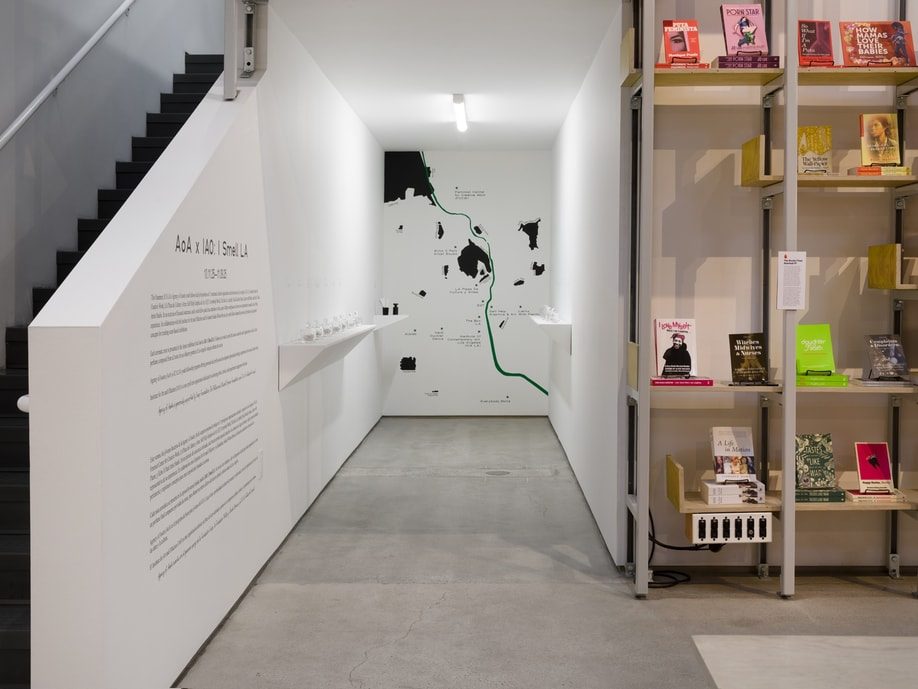
The IAO is used to putting smell into exhibition space. The Chinatown gallery has hosted other projects, among them OAK@IAO, a collaboration with Olfactory Art Keller. Storycraft differs in that it does not ask whether scent is art. That question is treated as settled. It asks something narrower and harder: how does a scent tell a story, and how much help does it need to do so.
Perhaps the answer is: less than we think. A small object, a single image, is enough to open the door. The rest the smeller brings from their own memory.
Olfactory Art