
Essays · Olfactory Art
Anicka Yi. Sous-Vide.
The smell arrives first, the image after.
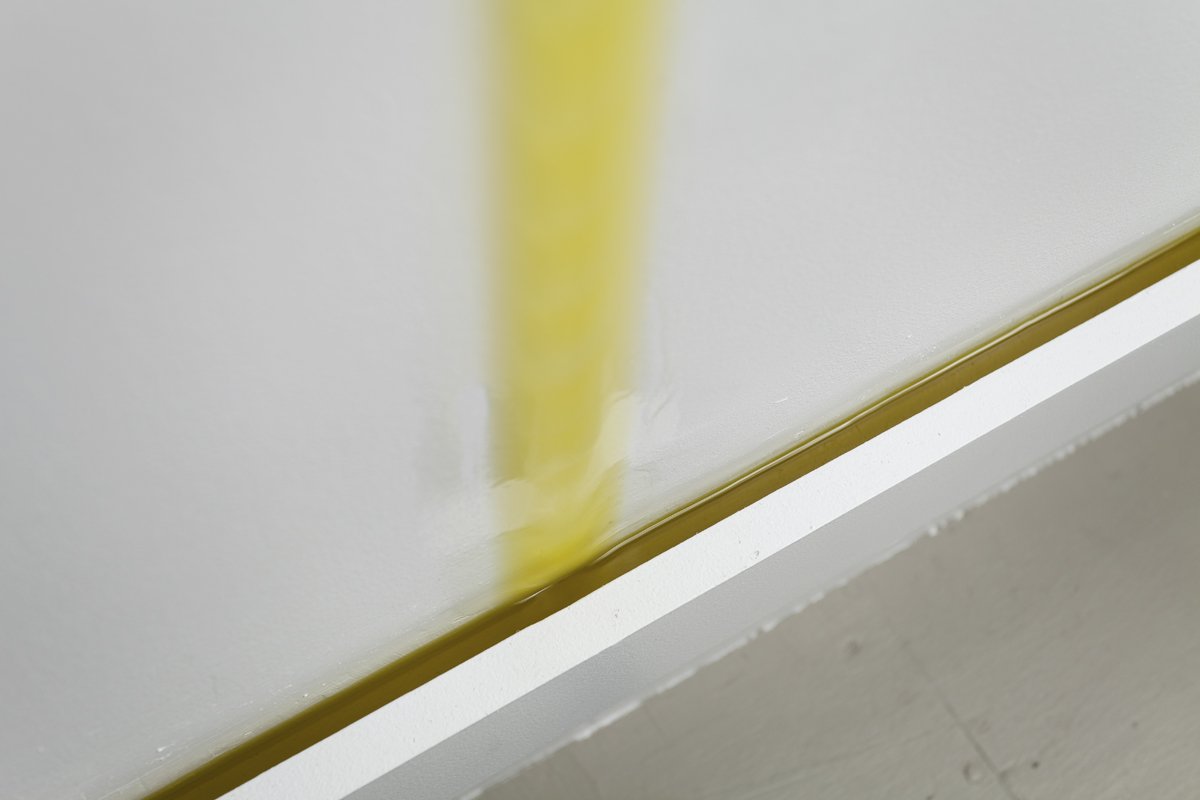
Anicka Yi, Auras, Orgasms, and Nervous Peaches, 2011 (image from Anicka Yi Studio) · ArtReview
Smelled before seen
In 2011 Anicka Yi opened Sous-Vide at 47 Canal, a small gallery in New York. Visitors reported the same thing: they smelled the show before they saw it.
The smell came from a work called Sister. A head, or rather something in place of a head: a mass of tempura fried flowers spilling from the neck of a cheap red sweater. No face. No neck. Only flowers, batter and oil.
Fried flowers give off a pungent smell. It takes over the space, clings to clothes, follows people out. It is the smell of a kitchen, a takeout counter, not what one expects in a white gallery.
Sous vide is a cooking method: food sealed in a vacuum bag and held in water at a low, steady temperature. A technique of control. The show that borrowed its name was full of things beyond control.
When one smell gives way
The fried smell did not last. Over time it faded. As it withdrew, another became clearer: olive oil.
The second work, Auras, Orgasms, and Nervous Peaches, worked with liquid. Holes were punched into the gallery walls. Through them liquid gurgled and drooled, collecting in a trough on the floor. The wall, made for hanging pictures, began to seep like a body.
The two works formed a sequence. Early and late visitors did not smell the same exhibition. The work did not sit still in space. It moved through time, by way of the nose.
That is rare in visual art. A painting hung this month is the same painting next month. Sous-Vide changed every day, because its materials were ageing on their own.
Cheap food in a minimal room
The critic David Everitt Howe, writing for ArtReview, compared the works to cheap takeout. Food and smell, he argued, bring a grotesquely bodily quality into minimalist display. They make objects unclean, in a functional sense.
Minimalism tends to want objects clean, clear, closed. A box, a metal plate, no story, no smell. Yi borrows that display and spoils it with oil and batter. The object still sits neatly in the white room. But it leaks, smells, changes.
For Howe, these unclean objects even threaten the viewer's sense of self. Smell crosses the line between work and body. It does not stay behind the rope. It enters the nose, the lungs, the hair.
A beginning
Anicka Yi was born in Seoul and grew up in the United States. Sous-Vide was one of the first shows to reveal her direction: art made from living, perishable, smelling materials. Later she worked with bacteria, synthesised scents, machines that smell. In 2016 she won the Hugo Boss Prize and showed at the Guggenheim.
Looking back, Sister and the seeping wall already held questions of the years that followed. What is a body when it no longer has human form? Can an object live, age, and excrete? Is smell a sculptural material?
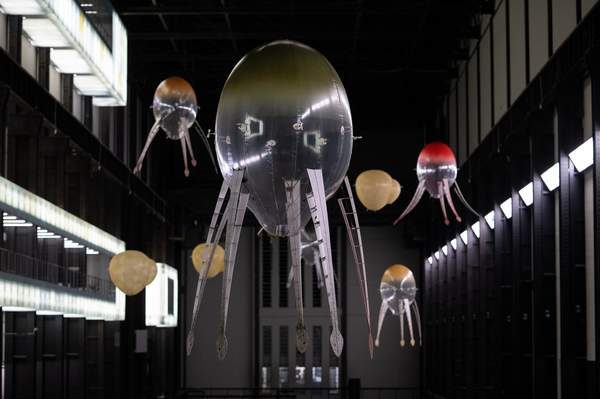
Another side of the same question appears in Life Is Cheap, her later work at the Guggenheim.
Olfactory Art