
Essays · Photography
Dayanita Singh. File Museum.
Paper keeps the words. Time keeps the paper.
Courtesy of the artist and Frith Street Gallery, London · Aperture
Rooms without windows
Dayanita Singh began as a photojournalist. Later she left that work and turned to photographing absence rather than events. File Museum is one of the clearest results of that turn.
Its subject is archives in India. Not bright libraries, but underground rooms without windows, packed with paper records. Singh shot on black and white film. In the pictures are rows of iron shelving that still works but has rusted, files, sacks, trunks and boxes piled on one another in no visible order.
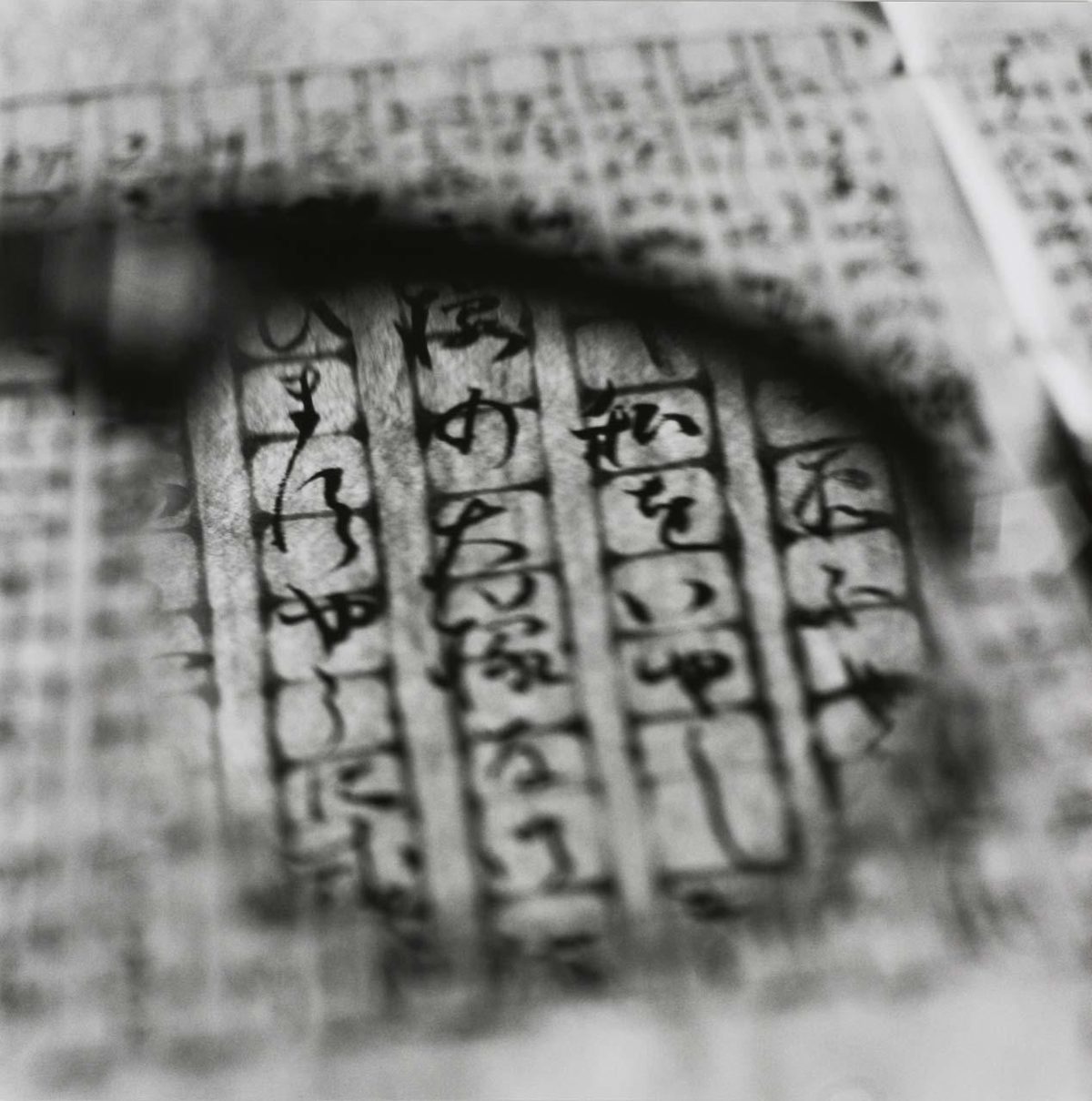
Now and then a handwritten sign appears, in Hindi or English. One reads Secret F, 1908, September. That is all. A word for secrecy, a letter, a year, a month. What the file contains, no one knows. The photograph shows only that it was stored here, and has been lying here a long time.
Singh also made a series of portraits of the people who keep these archives: women and men sorting, retrieving, arranging papers. They are the only ones who know the way through the maze.
An archive of archives
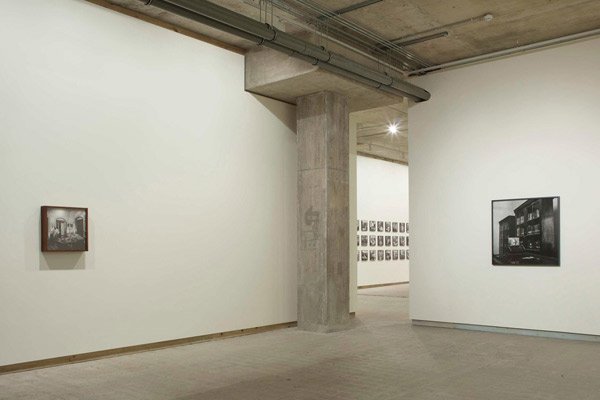
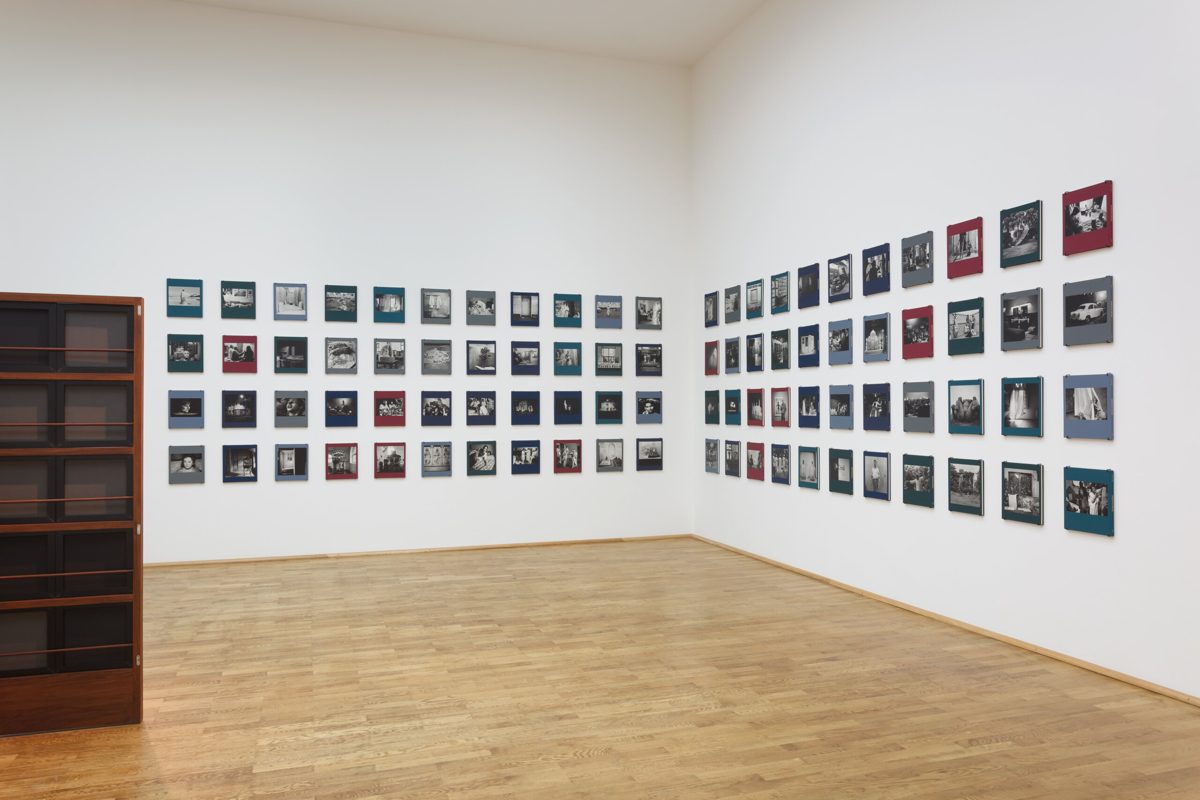
What sets File Museum apart from a documentary series is how Singh shows it. At Frith Street Gallery in London, in an exhibition that ran until 26 January 2013, she placed in the middle of the room a large rectangular cabinet system in teak, which she built herself.
The cabinet is an archive holding pictures of archives. One side opens like the cover of a book. Forty photographs are displayed on the outside and can be exchanged with many more stored within. The exhibition held 140 photographs in all.
So the photographs do not only depict stored paper. They are themselves stored, pulled out, reshuffled, sharing the fate of the files they show. The viewer before the wooden cabinet stands where the archivist stands: seeing a part, knowing the rest lies in the dark.
Singh would later grow this approach into a whole system of wooden museums, among them Museum of Chance. But in File Museum the wooden structure has a very specific reason: it repeats the shape of what it holds.
Paper, dust and time
An archive holds the memory of an institution. Who owed whom, who owned which plot of land, who said what before a court. While needed, those pages carry power. When no one consults them, they are only paper.
Singh's pictures catch that moment of passage. The files are still on the shelf, still tied, still numbered. But the stack has begun to look more like a natural thing than a document. It resembles sediment. Each file a layer, one year pressing on another.
There is a beauty in that disorder that is hard to name. No one arranged it to be seen. It took shape because people kept writing, kept putting away, and then forgot. Singh's camera does not scold the forgetting. It only looks closely.
File Museum is therefore a work about archival memory, but not about what is remembered. It is about the shell of memory: paper, string, shelves, rooms. The things that remain when no one reads the words inside.
Photography