
Essays · Olfactory Art
Die geheime Macht der Düfte.
Scent has followed people through history, but is rarely told.
Kunstpalast, Düsseldorf · Kunstpalast
Five thousand square metres of scent
On 29 October 2025 the Kunstpalast in Düsseldorf opened Die geheime Macht der Düfte, in English The Secret Power of Scents. According to the museum, it is its first large scale exhibition on the history of scent, from antiquity to the present.
The show covers five thousand square metres. It does not stand apart but runs through the museum's collection. Visitors walk among paintings, sculptures and objects and meet around thirty scent stations developed for the exhibition.
Some release a scent at the press of a button. Others quietly perfume a whole room through an air system controlled by sensors. The museum describes this as one of the technically demanding parts of the project: keeping the smell of one room from spilling into the next.
According to the museum, nearly a hundred thousand people came in the first months, and the show was extended to 22 March 2026.
From temple to laboratory
The curator is Robert Müller-Grünow, a specialist in scent technology and author of a book on the hidden power of smell. He arranged the exhibition as a journey through time.
It begins with aromatics in the religious ceremonies and spiritual life of the ancient world. Then the scent culture of Europe's Baroque courts, when smell was part of power and display. Then the eighteenth century and the cities that gave rise to Eau de Cologne, the scented water named after Köln, not far from Düsseldorf.
Next comes the industrial age, when synthetic scents arrived and entered not only perfume but soap and household goods. The twentieth century brings the fashion houses, with Chanel N°5 among the names. Finally, today's science: research on how smell affects alertness, relaxation and attraction, and new uses in medicine, marketing and virtual reality.
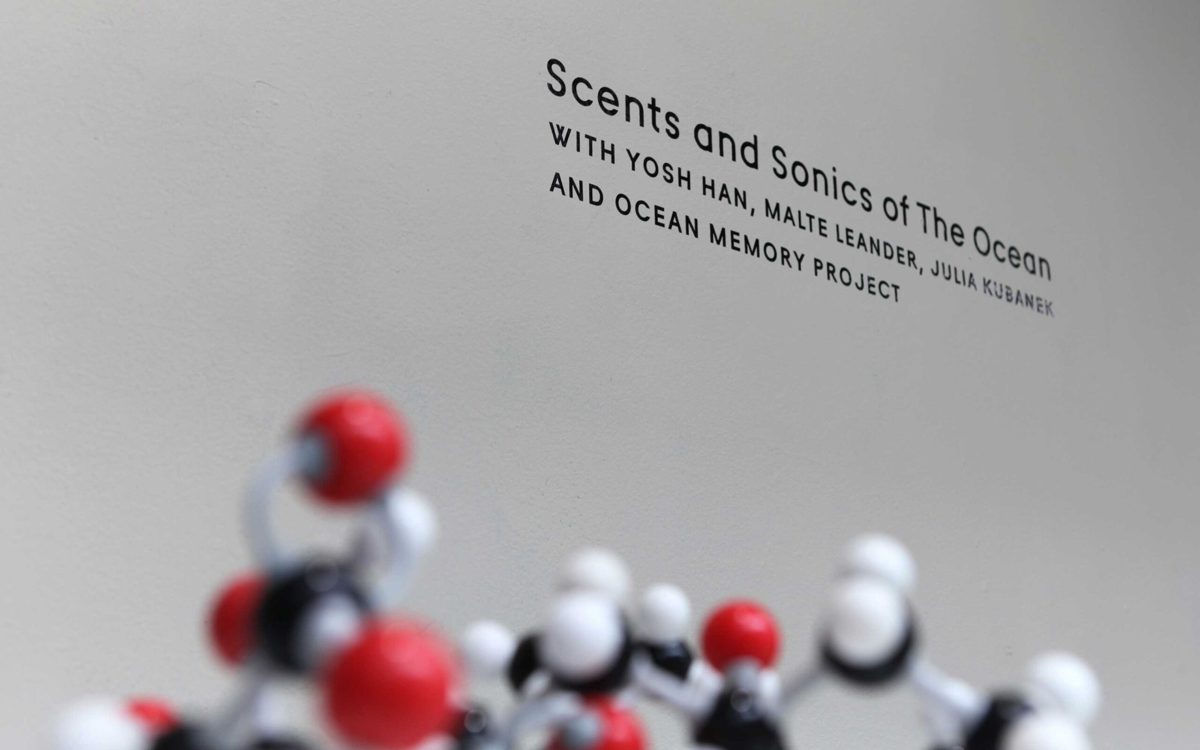
One thing the show presents is Iso E Super, a synthetic molecule with a woody smell. The exhibition calls it the scent of dreams and presents it as a molecule that makes its wearers seem more attractive. It is one way of speaking about the secret power of scent: a colourless, barely noticeable substance that can still change how others see us.
When scent enters an art museum
Art museums usually keep smell outside the door. Air is filtered and temperature controlled so the paintings are not harmed. Bringing thirty scent stations into the collection is a real change in how a large museum thinks about its space.
It also changes how we look. A Baroque painting reads differently when the viewer has just smelled a Baroque court. The smell does not explain the picture, but it draws the viewer closer to the picture's time.
In recent years olfactory art has appeared more and more in European museums. In Basel, Belle Haleine once placed smell at the centre of an art exhibition. The Kunstpalast took another route. It asks not only about art made with scent but tells the cultural history of scent itself, with art as the frame.
The result is both a history museum and a laboratory. Visitors pass through thousands of years, and each room leaves its own smell. On the way out, what stays may not be any image, but a few smells without names, still clinging to a sleeve.
Olfactory Art