
Essays · Olfactory Art
The Art of Scent.
A room with nothing to look at.
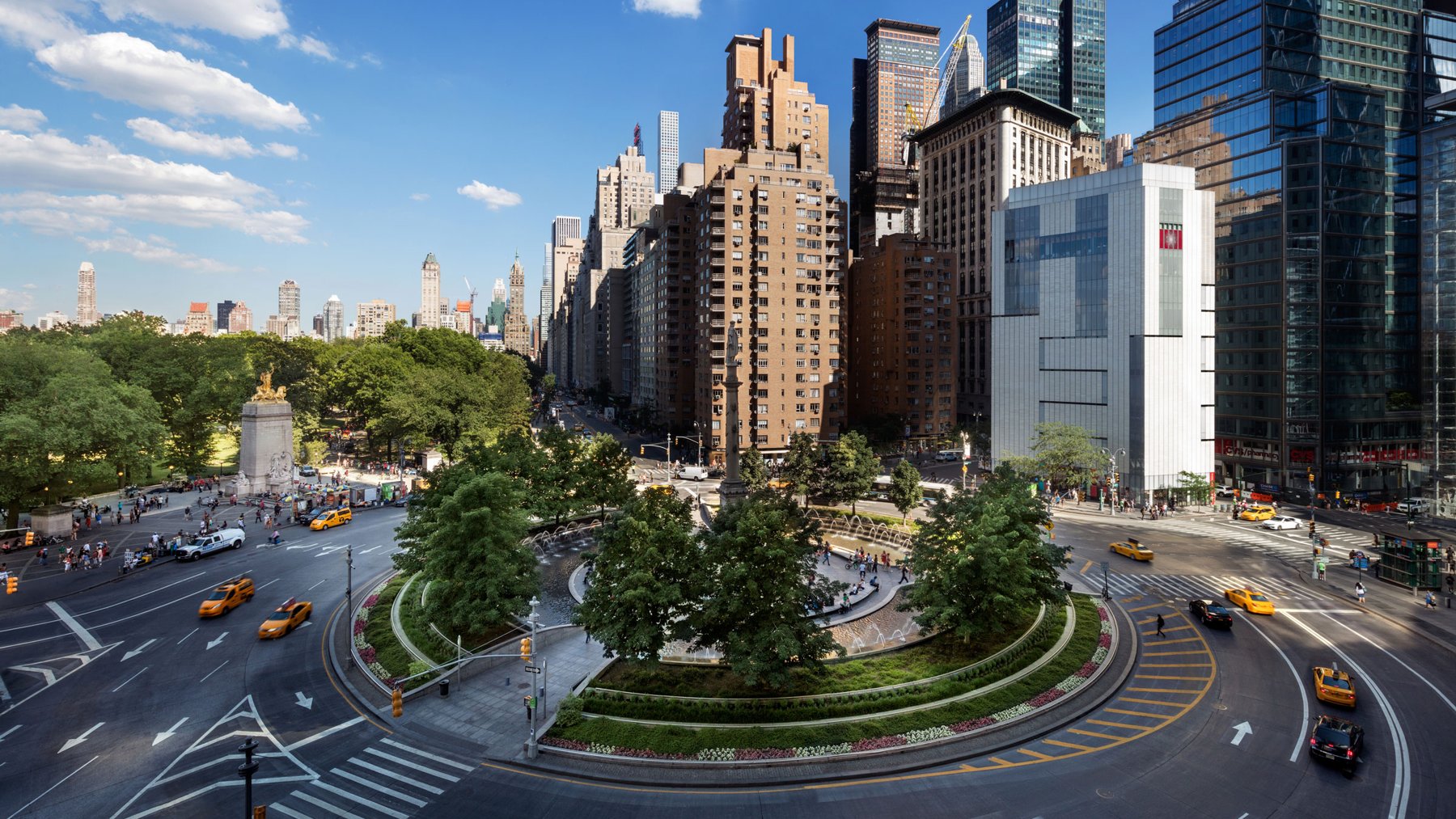
Museum of Arts and Design · Museum of Arts and Design
Twelve works, not one image
From 20 November 2012 to 3 March 2013, the Museum of Arts and Design in New York presented The Art of Scent, bracketed by the years 1889 and 2012. The museum called it the first major museum exhibition to recognize scent as a major medium of artistic creation.
The curator was Chandler Burr, a former perfume critic for The New York Times, then heading the museum's olfactory art department. He chose twelve works made across that span, by fifteen artists. There are more artists than works because some scents had two authors.
Among them: Jicky by Aimé Guerlain, 1889. Chanel N° 5 by Ernest Beaux, 1921. Osmanthe Yunnan by Jean-Claude Ellena, 2006. Untitled by Daniela Andrier, 2010.
According to the museum, each was chosen for a reason: to show how the aesthetics of the medium evolved, or to mark a major innovation in scent design. Twelve perfumes read as twelve milestones in an art history, not a bestseller list.
Dimples in the wall
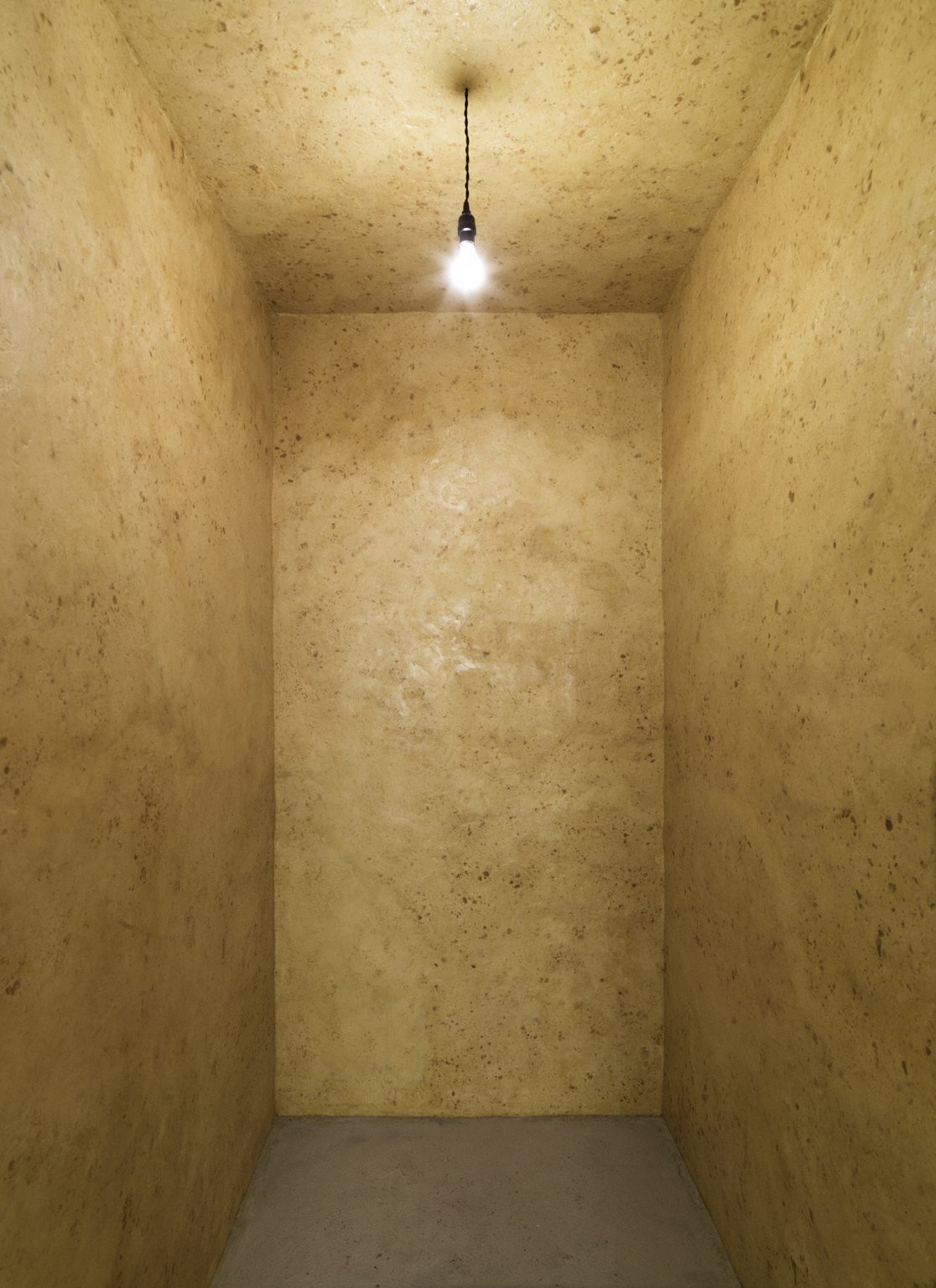
The space was designed by the architects Diller Scofidio + Renfro. The gallery was nearly empty. Along three walls ran a row of gently sloping, almost organic dimples, each identical.
Each dimple fit a single visitor. You leaned your head in, and a hidden diffusion machine released a burst of scent. Then it faded. You drew back and moved to the next.
No bottle. No box. No advertising, no model's face. Everything that usually surrounds a perfume was left outside. Only the smell remained, and a very bodily gesture: bending forward, pressing your face toward the wall.
That display said more than any label. It told visitors that what they came to see was not on the wall. It was in the air, for a few seconds, and then gone.
Why begin in 1889
The year 1889 was not arbitrary. The museum explains that in the late nineteenth century synthetic raw materials entered scent making. From then on, perfumers had materials not taken directly from flowers, wood or resin.
For the museum, that was the moment the products of the craft could become works of art. A perfumer no longer had only to reproduce a flower. They could make a smell unlike anything that existed, the way a painter was freed from having to imitate.
Beside the main room, an interactive salon explained the role of design in composing scent. Visitors were led from sensation toward understanding: not only finding a smell pleasant or not, but seeing it built from choices.
A question still open
Placing shop perfumes in a museum invites a question: is this art, or good design for a product? The exhibition did not need everyone to answer it the same way.
Whatever the answer, The Art of Scent did something concrete. It put perfumers' names on a museum wall, beside a year, as with painters and sculptors. Names usually hidden behind brands were brought into view.
And it made visitors use a sense museums usually ignore. In that gallery the eyes were almost useless. Visitors had to trust their noses, something they are rarely taught to do.
Five years later in London, another exhibition placed contemporary perfume in a gallery, and one name from New York appeared again: Daniela Andrier. The question Burr raised kept being asked.
Olfactory Art