
Essays · Olfactory Art
Perfume: A Sensory Journey Through Contemporary Scent.
Every scent needs a room.
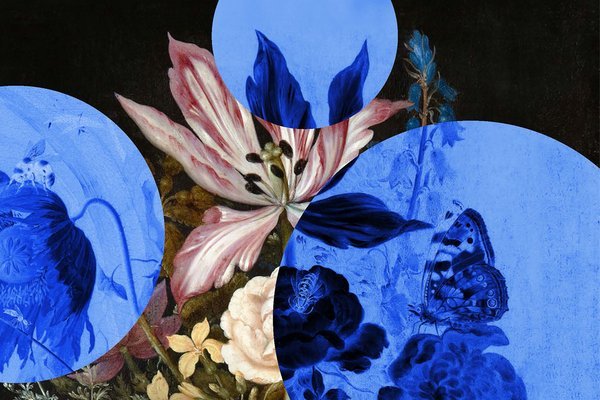
Somerset House · Somerset House
Ten scents in the East Wing
From 21 June to 23 September 2017, Somerset House in London presented Perfume: A Sensory Journey Through Contemporary Scent in its East Wing Galleries. It was curated by Claire Catterall, Senior Curator at Somerset House, and Lizzie Ostrom, known as Odette Toilette.
The show chose ten scents by ten contemporary perfumers. Daniela Andrier, Purple Rain, 2015. Mark Buxton, Comme des Garçons 2, 1999. Bertrand Duchaufour, Incense: Avignon, 2002. Olivia Giacobetti, En Passant, 2000. Lyn Harris, Charcoal, 2016.
And five more. Antoine Lie, Sécrétions Magnifiques, 2007. David S. Moltz, El Cosmico, 2015. Geza Schoen, Molecule 01, 2007. Andy Tauer, L'Air du Désert Marocain, 2005. Killian Wells, Dark Ride, 2015.
What they share, according to Somerset House, is a refusal of the usual routes. They go after unconventional smells, smoke and sweat included. The list shows it in the names alone: charcoal, incense, secretions.
A room for each scent
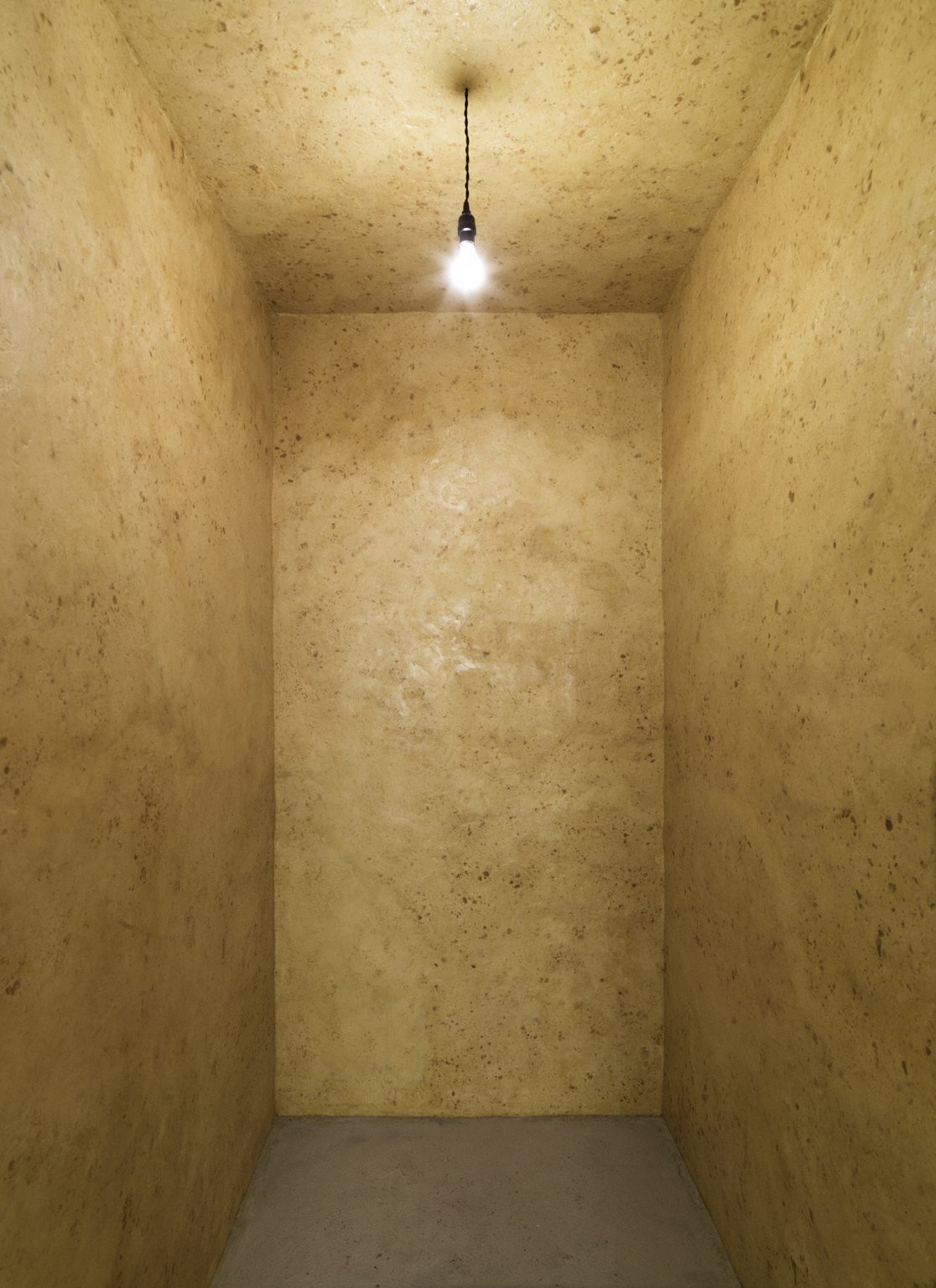
The display is what people remember. Each scent had a room built around its inspiration. Somerset House lists some: a Moroccan desert, a Catholic confessional, a water theme park, a lover's boudoir.
The desert is easy, it sits in the name of Andy Tauer's scent. The rest are left for visitors to connect. What does a confessional smell of? Old wood, candle wax, incense smoke, perhaps. And a water park? Chlorine, plastic, sunscreen? The exhibition does not need to answer everything. It sets a smell inside a scene and lets the nose do the rest.
This is a very different choice from showing scent in a white room. Here smell is not cut off from the world. It is returned to the place it wants to evoke. Visitors enter a scent as they would enter a place: walk around, look, then smell.
A century in ten bottles
Before the ten rooms, visitors passed an introductory installation: ten trailblazing scents of the twentieth century, one for each decade.
It began with L'Origan by Coty, 1905, specially recreated for the show. It ended with ck one, 1994, described by Somerset House as the original gender neutral scent of Western perfume culture, the one that started the clean trend.
Ninety years in a single corridor. Walking from one end to the other, visitors could smell a history of changing taste: from the warm, dense florals of the early century to something light and clear, meant for anyone.
There was also a working perfume laboratory, profiling the science, skills, ingredients and tools of the trade. Visitors saw the finished scents and the hands and glassware behind them.
Perfume as a work
Five years earlier in New York, The Art of Scent had brought perfume into a museum through an almost empty room. Somerset House went the other way. Instead of stripping away every setting, it built settings up in full.
One name appeared in both: Daniela Andrier. In New York, Untitled, 2010. In London, Purple Rain, 2015. The same perfumer, two ways of display, two answers to one question: how do you put a perfume in a gallery?
What Somerset House made clear is that perfumers have names, styles and choices of their own, like painters. They do not only make pleasant things. Some choose smoke, sweat, the air of a confessional. Those difficult choices are what let them be seen as authors.
Olfactory Art