
Essays · Olfactory Art
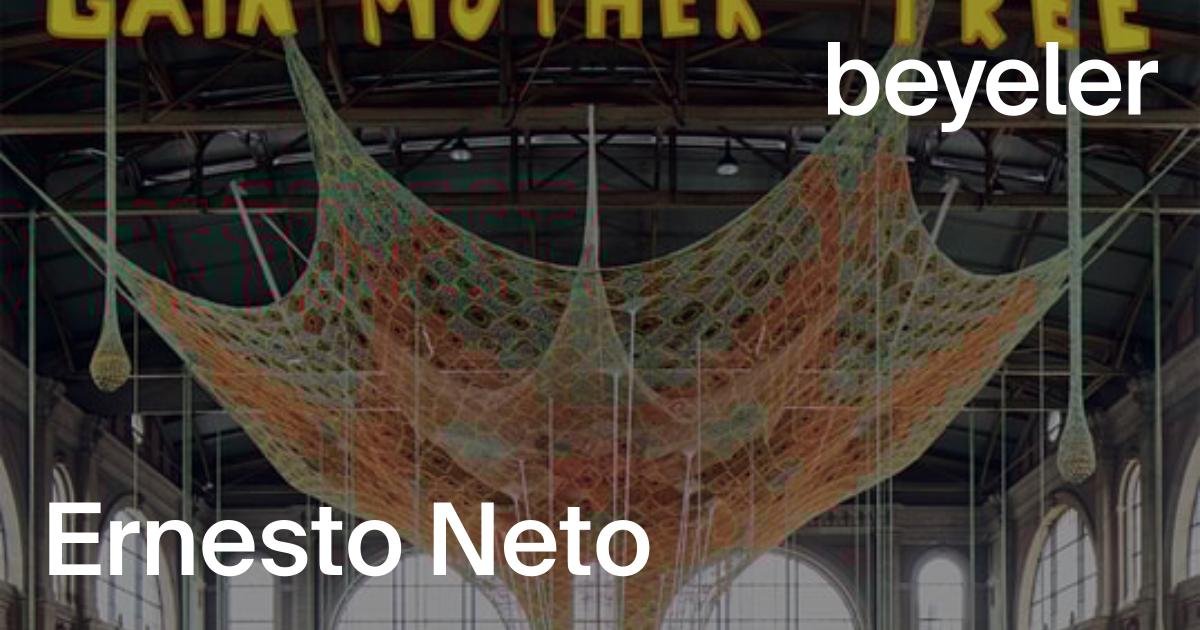
Ernesto Neto. GaiaMotherTree.
A tree grown where everyone only passes through.
Fondation Beyeler · Fondation Beyeler
A tree in the station hall
In the summer of 2018, from 30 June to 29 July, the main hall of Zurich's central station gained a tree. Its trunk and crown were made of coloured cotton strips, knotted and crocheted by hand with the fingers. The crown rose to the ceiling of the hall, some twenty metres up.
Beneath it, the trunk opened into a wide hollow you could walk into. Around the base ran a circle of seats. Anyone could sit. Entry was free.
From the branches hung drop-shaped fabric pouches filled with aromatic spices and dried leaves. People passing by smelled them before they understood what they were standing under.
The project was organised by the Fondation Beyeler, the museum in Riehen near Basel. But the work was not in the museum. It stood in one of the busiest places in Switzerland, between trains arriving and leaving.
Working with the Huni Kuin
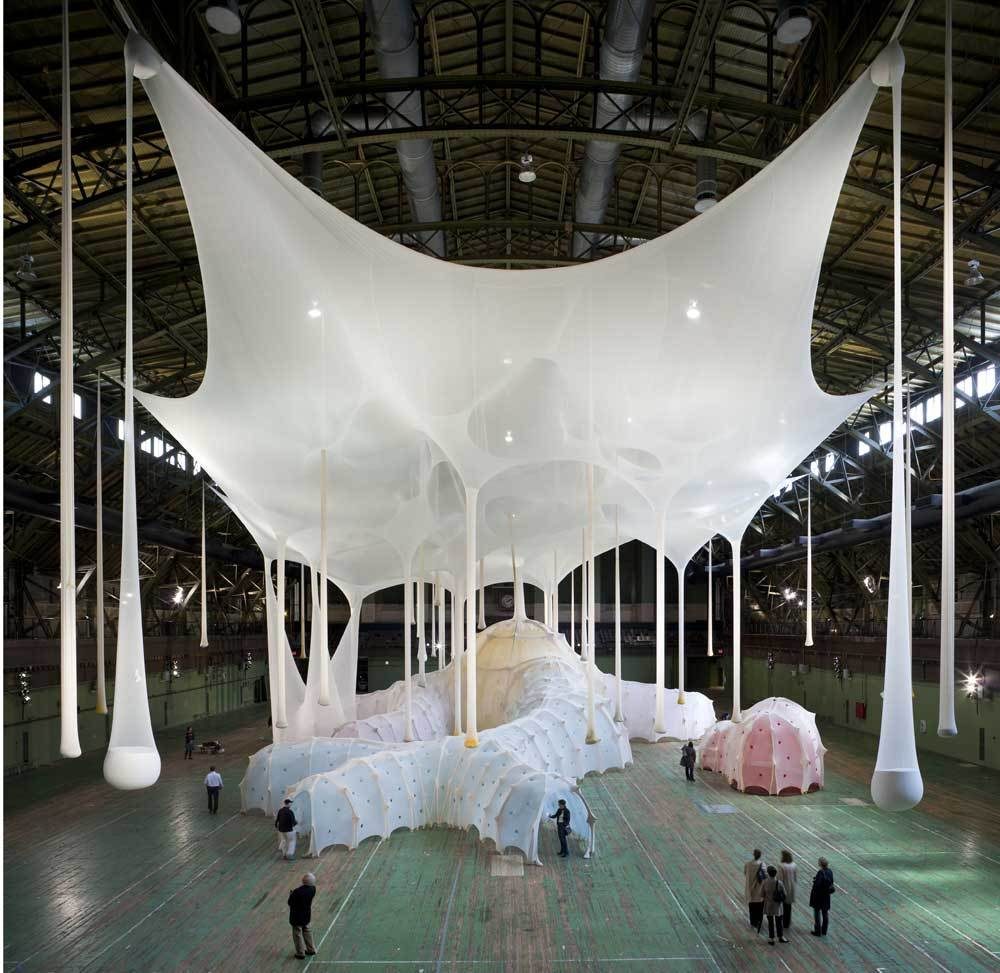
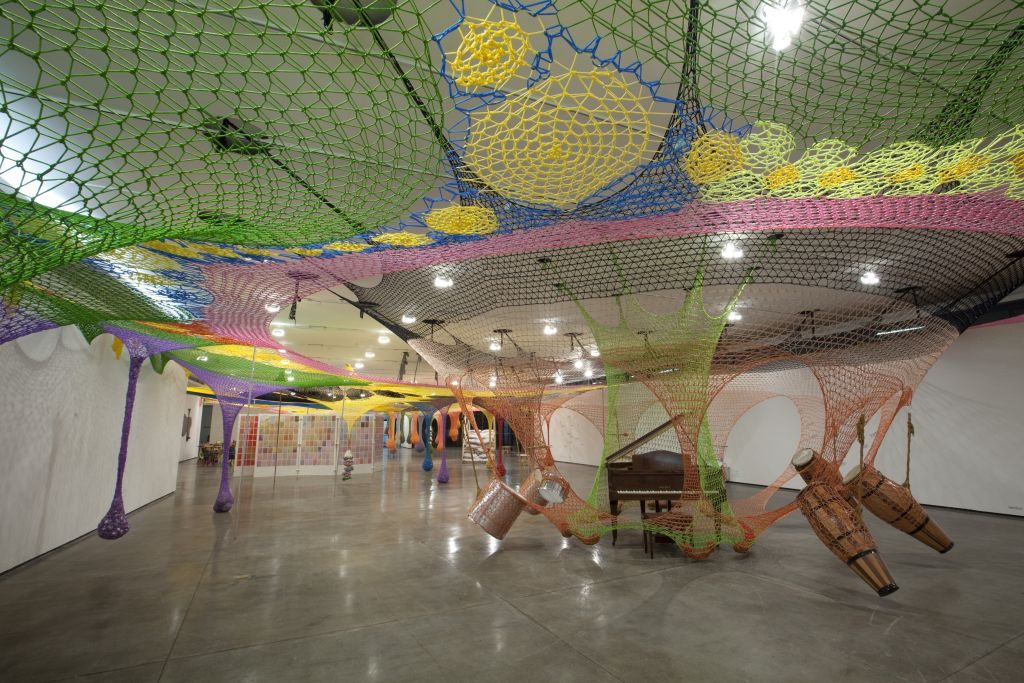
Ernesto Neto was born in 1964 in Rio de Janeiro. For many years he has made soft sculptures, stretched from fabric, netting and cord, that viewers enter rather than look at from outside.
GaiaMotherTree grew out of Neto's long relationship with the Huni Kuin, an Indigenous community of the Amazon near the border of Brazil and Peru. According to the Fondation Beyeler, their culture, customs, craft skills, sense of beauty and view of nature have shaped the way he works.
You can see it in the material. The cord is crocheted loop by loop. The colours are dense and layered. The tree is not any particular species. It is a mother tree, an image of shelter, of a place to gather.
Neto does not present the Huni Kuin as a subject to be looked at. He learns from them a way of living with the forest, and carries it into a completely different, urban space.
A meeting place among hurried crowds
The Fondation Beyeler described the work as a place for meeting, interaction and meditation. Throughout that July, the space beneath the tree hosted talks, music, workshops, meditation sessions and guided tours.
A station is built so that people can pass through quickly. Timetables, announcements, turns towards the platforms. Everything pushes forward. GaiaMotherTree did the opposite. It invited people to sit down.
Smell carried much of that invitation. A station hall has its own smell: metal, brake dust, takeaway coffee, crowds. Spices and dried leaves slipped in among them, faint but distinct. No one needed a wall label to sense that something had changed.
The way the work used smell is worth noticing. Neto did not pick a single scent to stand for the forest. He hung many pouches, each with a little spice, a few leaves. The smell was uneven. Stand here and you caught one thing; step aside and you caught another. Anyone who sat long enough might notice it shifting with the hour, with the draughts from the station doors, with the number of people around. The tree did not broadcast a message. It let each person find their own way in.
After a month the tree came down and the hall went back to what it was. But for those who sat under it, the hall may never be quite the same. For a while, it smelled of a forest.
Olfactory Art