
Essays · Olfactory Art
Gayil Nalls. World Sensorium.
A scent in which everyone is counted.
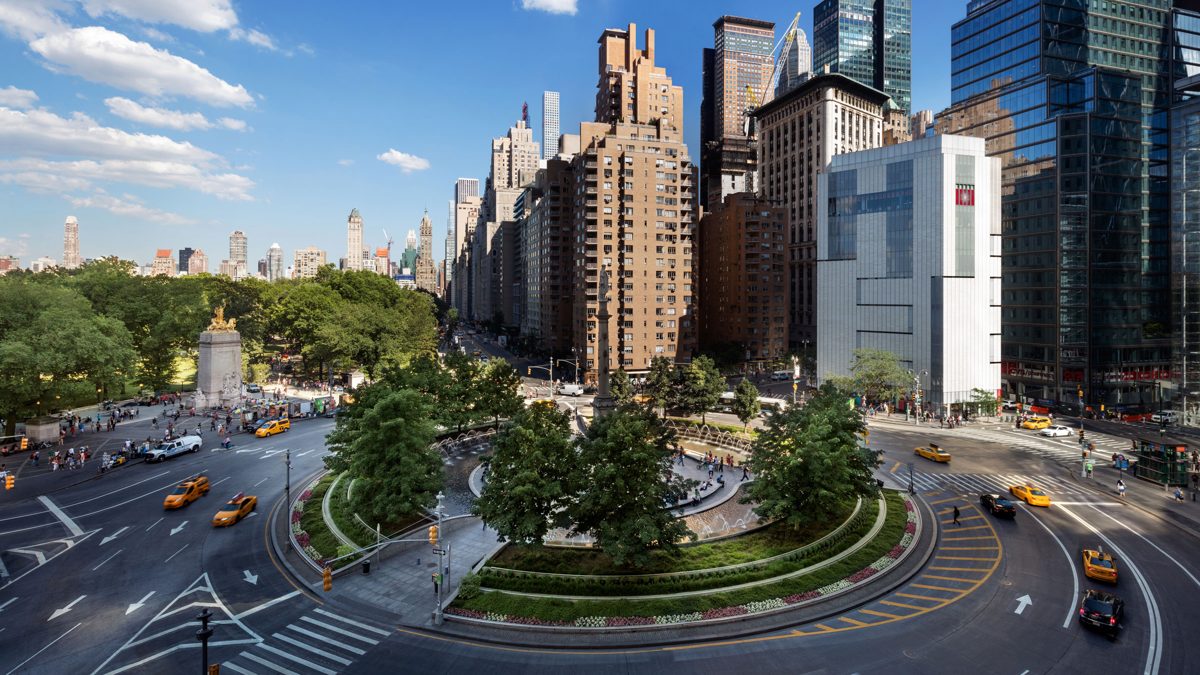
Midnight in Times Square
New Year's Eve, 2000, New York. Times Square is packed with people waiting for the new millennium. At midnight, confetti falls as it does every year. But mixed in are other pieces of paper. They were made for the occasion and hold scent in microcapsules. Anyone who caught one and pulled it open released the smell.
That was the first public appearance of World Sensorium, a work by the New York based artist Gayil Nalls, endorsed by UNESCO for the event.
No plinth. No label. The work fell from the sky and ended up in the coat pockets of people who did not know what they were holding.
The same year, Nalls put the scent into bottles. The first edition, called First Record, was 18 amber glass bottles of 100 ml each. A small number for a work that claims to belong to the whole world.
One question for every country
How Nalls made the scent is the real body of the work. Over several years she contacted United Nations missions, embassies, consulates and ministries. The question was simple: which aromatic plant matters most to your country's culture?
The answers came from officials themselves. Some chose a flower, some a wood, a resin, a grass. Each answer was a small political choice: how a nation wishes to be smelled.
Then came the arithmetic. Nalls measured each plant essence according to that country's share of the world population in 2000. The more people, the larger the plant's part in the bottle. Small nations are still present, only in smaller amounts. The project describes the rule in a few words: everyone counts.
The result is a smell no one can recognise as their own. Your country is in there, diluted by hundreds of others. To find it, you have to agree to smell everyone else.
Sculpture without a shape
Nalls calls World Sensorium a social olfactory sculpture. Sculpture is a strange word for something shapeless. But if sculpture means arranging matter in space, here the matter is plant essence and the space is the world's population compressed into a small volume.
Social matters just as much. The work cannot be made alone. It needs answers from hundreds of government offices, population data, a New Year's crowd. The artist asks the question and does the sum. The rest belongs to those who were asked.
Nalls went on to study olfaction formally, earning a doctorate in the art and science of smell at the University of East London. The project did not stop in 2000 either. It became an organisation, World Sensorium/Conservancy, and continues to be shown, including at the Missouri Botanical Garden and the Kunstmuseum The Hague.
Set beside the smell maps of Sissel Tolaas in Smellscapes, World Sensorium moves in the opposite direction. Tolaas collects the smell of a specific neighbourhood, down to the street corner. Nalls collects the smell of the planet, from so far away that each person is a tiny fraction of the sum. Two methods, one question: what does a place smell like.
More than twenty five years later, the world's population is different. The proportions in the 2000 bottle are now a record of one moment. The smell is no longer accurate. Perhaps that is why it is worth keeping: a photograph of humanity, taken with the nose.
Olfactory Art