
Essays · Olfactory Art
John Waters. Polyester in Odorama.
Ten numbers, ten smells of a house.
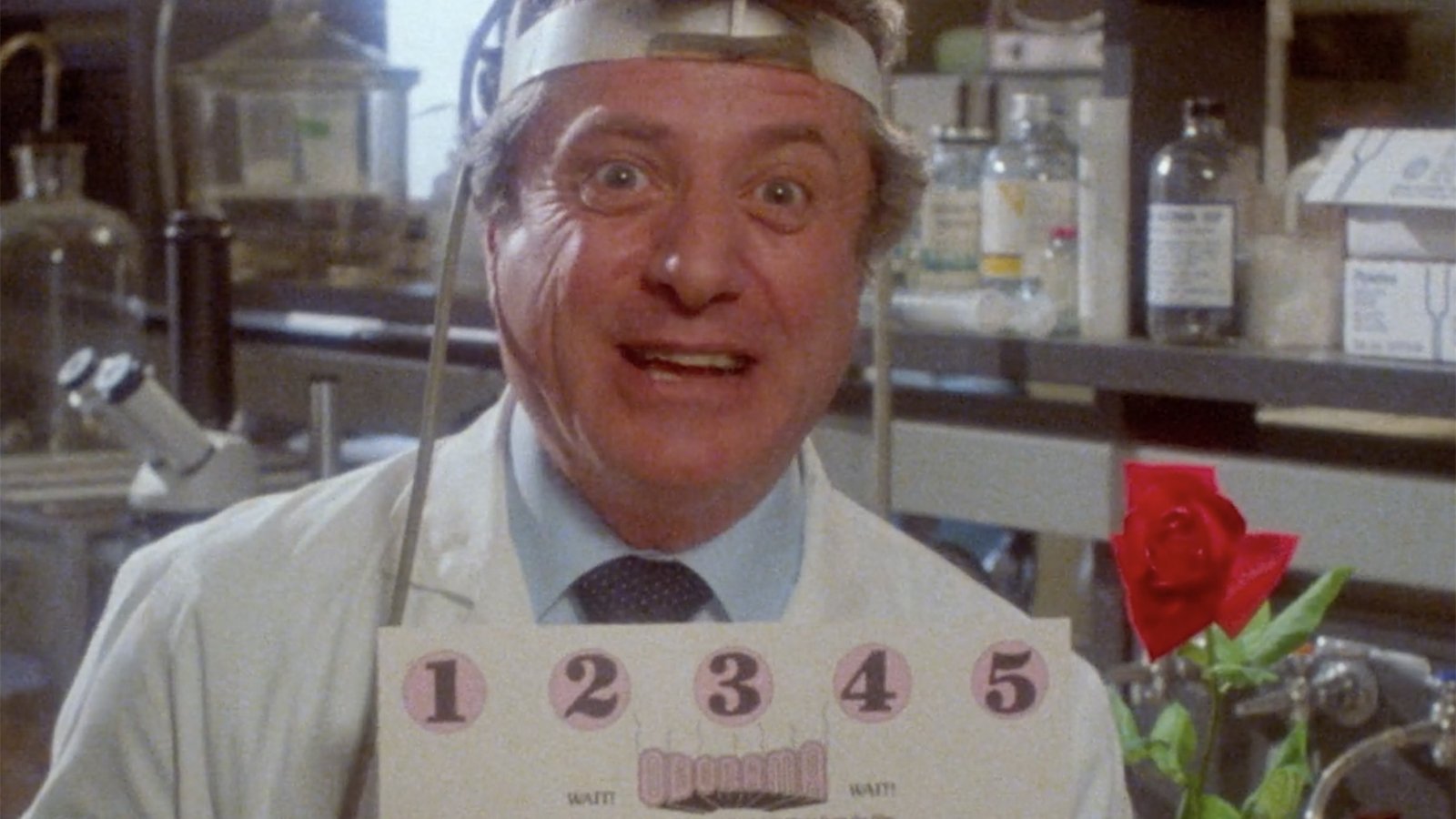
The Criterion Collection · The Criterion Collection
One card, ten numbers
In 1981, when Polyester opened, audiences were handed a small card with their tickets. It carried ten round spots, numbered one to ten. During the film a number appeared in the corner of the screen. That was the cue to scratch the matching spot and lift it to the nose.
John Waters called the system Odorama. There was no machinery in the theatre, no tubing, no fans. Everything sat in the viewer's palm. According to the Criterion Collection, the original 1981 cards were produced by 3M.
The ten smells were printed in order: a rose, flatulence, model airplane glue, pizza, gasoline in a can, skunk, natural gas from an oven, the leather upholstery of a new car, dirty shoes, and aerosol air freshener.
Reading the list, you see the spirit of the film at once. Only one flower. The rest is kitchen, garage, street and body. The smell of a suburban house once its glossy surface has been scratched away.
A housewife with too sharp a nose
Polyester follows Francine Fishpaw, a housewife in suburban Baltimore, played by Divine. As Criterion puts it, Francine's powerful sense of smell is what helps her through domestic turmoil. The nose is the film's second character.
That is why Odorama is not an add-on for fun. When Francine smells, the audience smells. The gap between the figure on screen and the person in the seat closes through a tiny gesture: scratching a patch of paper.
Waters worked at the edge of Hollywood, with characters and subjects mainstream cinema avoided. He wanted a film that literally stank, and according to Criterion the Odorama gimmick was partly a genial prank on moviegoers. Viewers know they are being teased, and they scratch anyway. That may be the best part.
The prank has another layer. The American suburb is usually pictured as clean, tidy, scented with air freshener. Waters put air freshener in the final spot, after dirty shoes and gas. The artificial pleasant smell comes last, as a cover laid over everything else.
From Smell-O-Vision to the palm of a hand
Odorama was not cinema's first attempt to bring smell into the theatre. Around 1960, Smell-O-Vision and AromaRama piped scents into auditoriums during screenings. They needed machinery installed in the theatre itself. Variety's review of the Smell-O-Vision premiere noted that not every viewer claimed to have smelled the odours released.
Waters borrowed the idea from that era but dropped the entire apparatus. He handed the release of smell back to each viewer. Each person decides how hard to scratch, how long to sniff. A film technology that once hoped to conquer a whole theatre became a cheap printed object you could take home.
Later artists returned to the name. Koo Jeong A gave it to a work made only of light and agarwood in a disused station platform; see Odorama (Charing Cross). There the image almost disappears and only the smell remains.
In 2019, when Criterion reissued Polyester, it remade the card. According to Criterion, the scented inks came from Print-A-Scent in Tennessee and the cards were printed by Kaleidoscope Concepts in New Jersey. The screen printing took ten days: one smell at a time was laid across every card, left to dry, then the next.
Ten days for ten smells. The joke card, it turns out, needed a very serious patience to make. And almost half a century on, audiences still scratch the same spots, following the same numbers.
Olfactory Art