
Essays · Olfactory Art
Koo Jeong A. ODORAMA CITIES.
A country is also a smell remembered together.
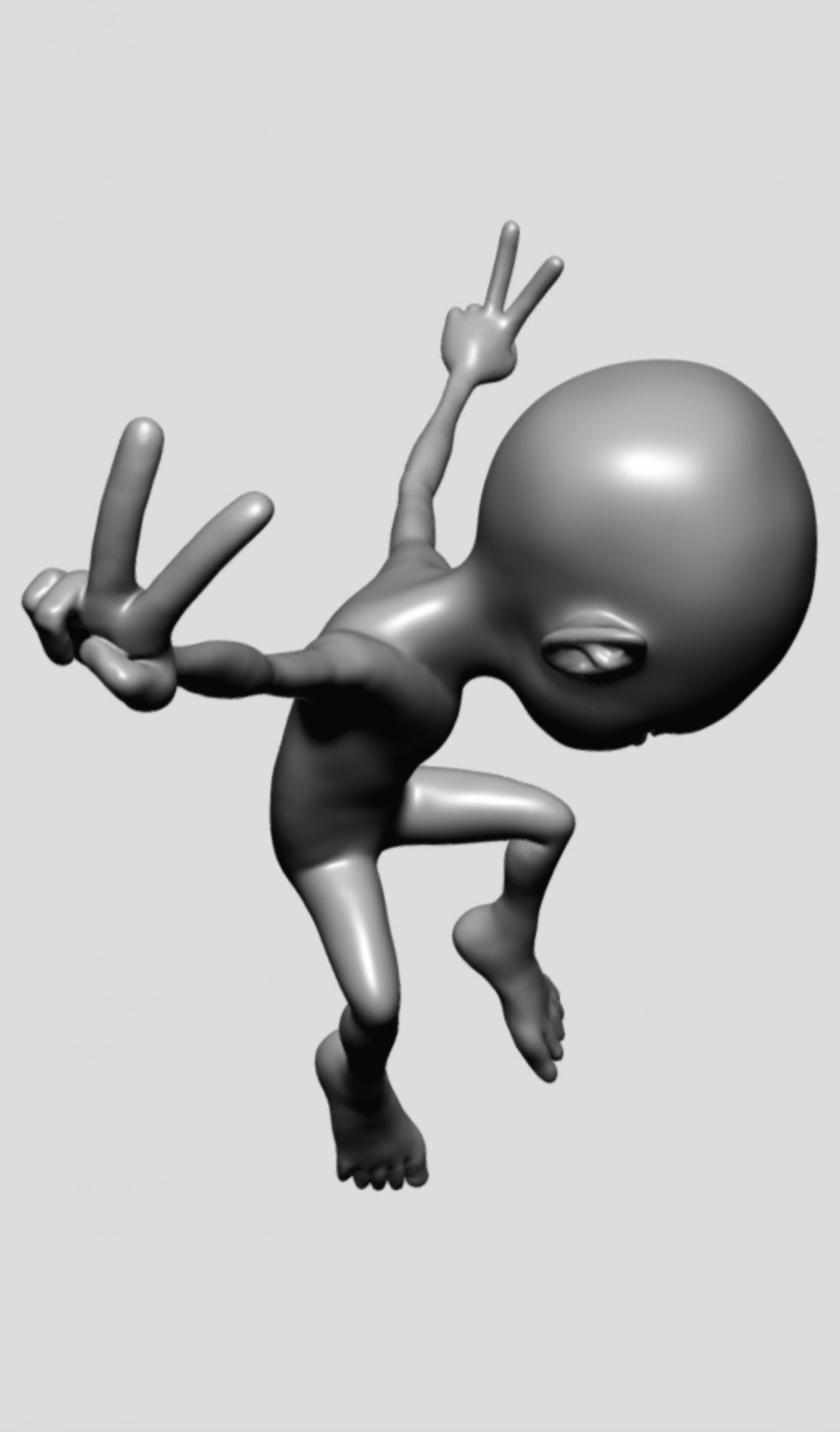
Koo Jeong A, KANGSE SpSt, 2023–24. © and courtesy the artist · ArtReview
One question sent into the world
From June to September 2023, Koo Jeong A ran an open call with a single question: what is your scent memory of Korea?
About 600 answers came in. Not only from Koreans. From foreigners who had lived or worked in Korea. From adoptees sent abroad as children. From people who had passed through once. The stories were posted on the Pavilion's website for anyone to read.
The question is so simple it almost disappears. But it chooses an unusual way in. People can argue about history, politics, borders. It is hard to argue about the rice in an old woman's pot, or the salt of a fish market at dawn.
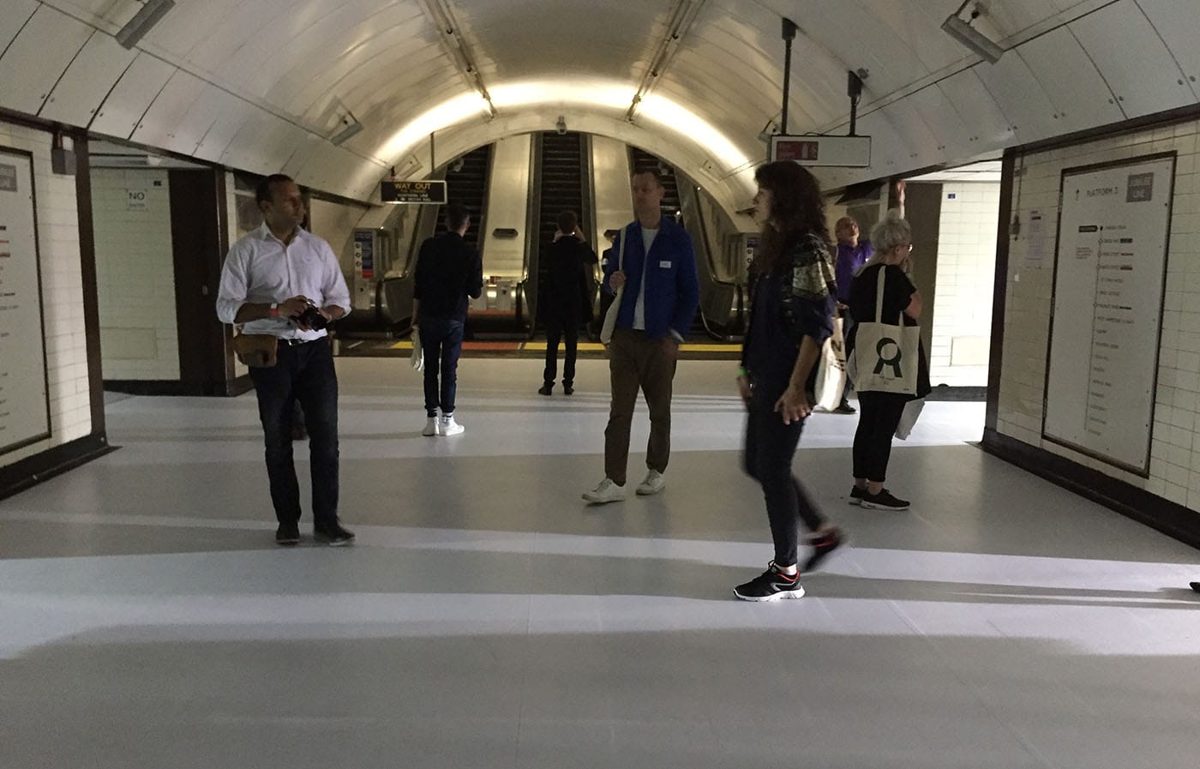
Koo had worked with smell before, under the name Odorama, as in Odorama at Charing Cross, London. ODORAMA CITIES was the first time the name was opened up for hundreds of people to write together.
From stories to smells
Koo worked with nonfiction, a scent house in Seoul. They read the stories, identified roughly the fifty most repeated keywords, and grouped them into themes tied to cities.
From there they chose the smells for the Pavilion. According to published accounts, there were seventeen: sixteen experimental scents and one made as a product. Their names read like a list poem: city scent, night air, scent of people, smell of Seoul, salty smell, Siebold's magnolia, smell of sunlight, fog, smell of tree, jangdokdae where the sauce jars stand, smell of rice, firewood, grandparents' house, fish market, public bath, old electronics, and finally ODORAMA CITIES.
None of them is a national emblem. No kimchi on a pedestal. What was chosen is what people mentioned again and again without being prompted. A country emerges from those repetitions, like an image built out of dots.
A sculpture that breathes
The Korean Pavilion stands in the Giardini of the 60th Venice Biennale, which ran from 20 April to 24 November 2024. Its curators were Jacob Fabricius, director of Art Hub Copenhagen, and Seolhui Lee, curator at Kunsthal Aarhus.
The space held sculptures that diffuse scent. One is KANGSE SpSt, from 2023 to 2024, 157 cm tall, in bronze, plywood, metal and pigment paint, with a scent diffuser and sensor inside. Its form comes from Koo's animated works.
There is not much to look at. Visitors move through the spaces and meet the smells one by one, like walking the streets of a city that never existed. Each smell is a fragment of someone's memory, taken out of their head and set loose in shared air.
An expanded nation
The Biennale is still organised by national pavilions, a model more than a century old. One country, one building, one representative. Koo has said she wanted to propose a wider, more inclusive idea of the nation, against the division those buildings stand for.
Smell manages this in its own way. It has no passport. An adoptee raised in Europe may keep a sharper smell memory of Korea than someone who has lived there all their life. A foreigner who once worked in Seoul may remember the public bath better than the name of the street.
So the portrait ODORAMA CITIES builds does not belong to one people. It belongs to everyone who passed through a place and carried its smell away. An invisible portrait of the Korean peninsula, made by many people who have never met.
Olfactory Art