
Essays · Olfactory Art
Peter de Cupere. The Smell of a Stranger.
A familiar plant. A stranger's smell.
© Peter de Cupere · Peter de Cupere (official artist site)
Nine plants, nine smells not their own
In 2015, at the 12th Havana Biennial, Belgian artist Peter de Cupere presented The Smell of a Stranger. The show ran from 22 May to 22 June. The biennial's artistic director and chief curator was Jorge Fernández; the project's curator was Sara Alonso Gómez.
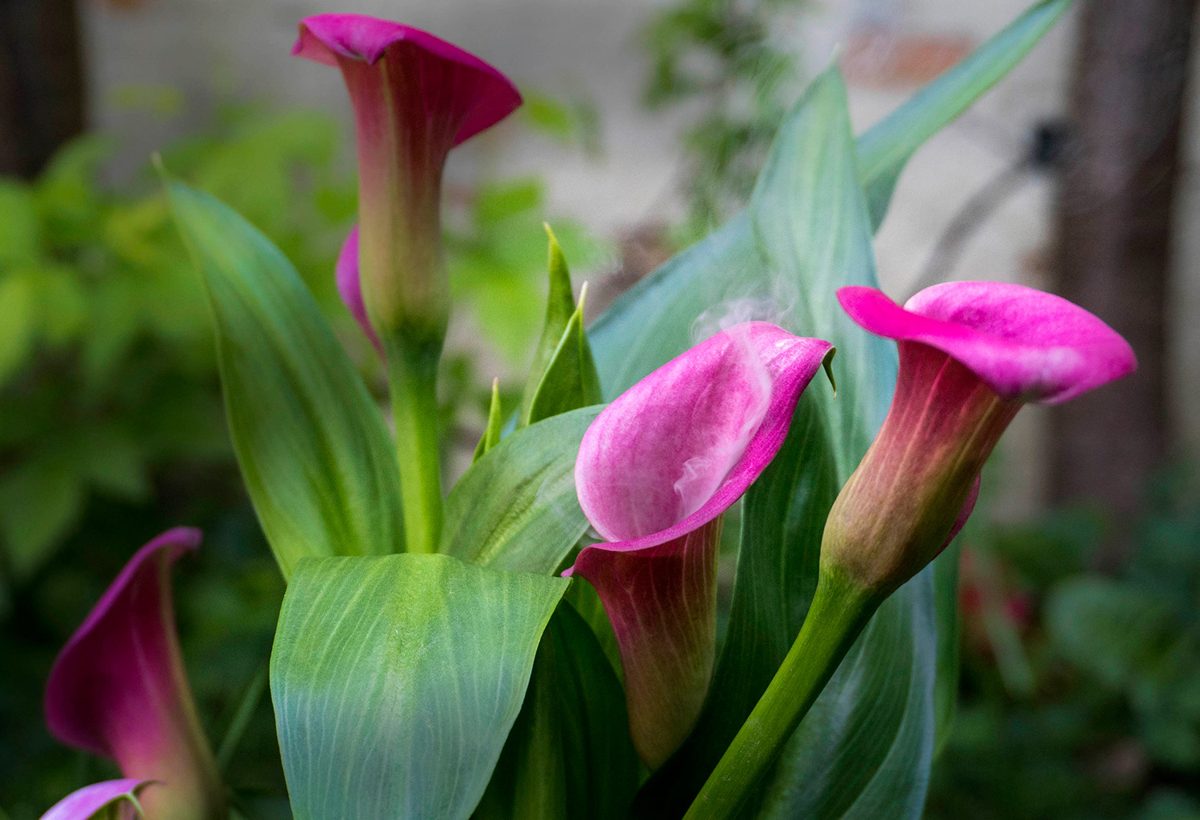
The work consisted of nine native Cuban plants and flowers. Each was given a smell that did not belong to it. The artist called the process scent engineering.
The chosen smells were not floral. They pointed to people: sperm, vagina, the cold sweat of fear, money. There was gunpowder, polluted air, death, blood. And a near joke: hamburger, a wink at Western culture.
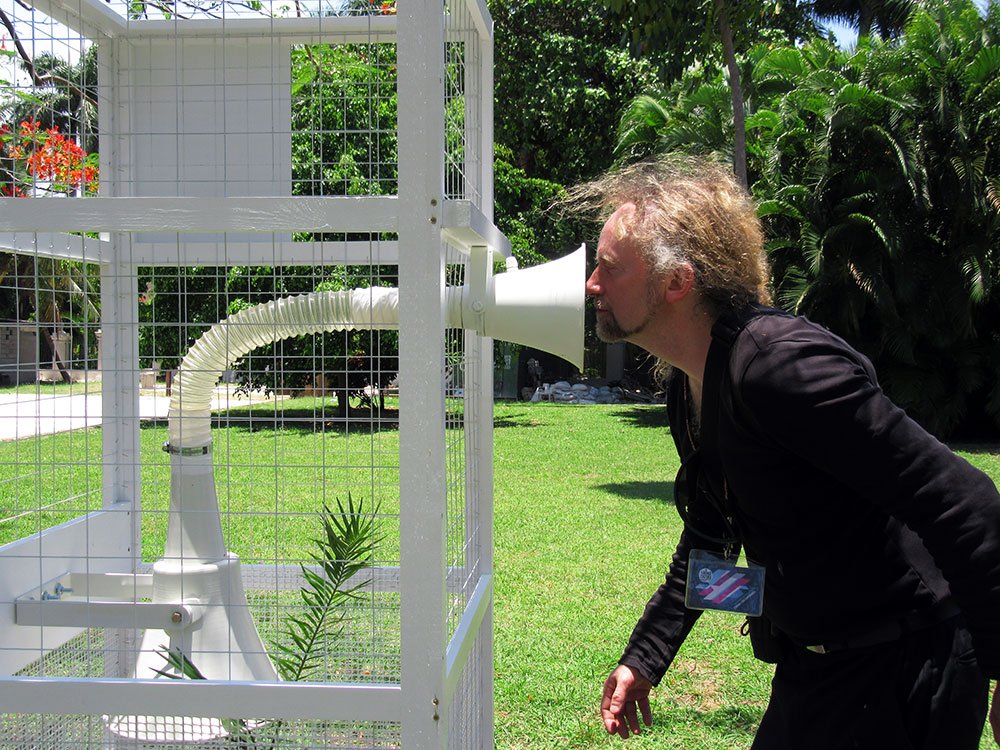
The plants stood in a barred planter so visitors could not touch them. Small fans and a large scent diffuser pushed the smells outward. According to the artist, these ran on solar power, which Cuba has in plenty. The smells were held in a sponge-like structure to keep them steady through the day.
A joke about a border
De Cupere chose Cuba for a specific reason. Two years before the biennial, he went into the forest with curator Sara Alonso Gómez, Bruno Devos and an aroma specialist from the Cuban army, scouting for new smells. He was struck by how intact the island's nature still was.
Returning to prepare the work, he saw a small, clear change. On his first visit, brands like Coca Cola and M&M's were not on Havana's shop shelves. Now they were, shining in the sun. The border with the United States was opening. Western culture was coming in, and capital with it.
The artist described the work as a small jest about that opening. The title states the question. Who is the stranger? Someone who arrives from outside, or a new smell turning up in a familiar place? Will Cuba keep its cultural and natural identity?
A familiar plant with a foreign smell is the most compact image of that question. Cubans see their own plant. Their nose recognises something else.
When smell can be assembled
The work's second half looks ahead. De Cupere imagines a world where one plant's smell can be moved to another. His example: give a pumpkin the smell of French jasmine, the most expensive floral smell, and that smell stops being rare. He also imagines flowers stripped of smell so people with allergies can enjoy them.
But he does not paint only the bright side. The work asks about cost. How will insects pollinate if the smell has changed? What does tampering with plants leave behind for nature and society? Visitors stand before plants smelling of blood and gunpowder and have to weigh both sides.
There is an honest detail in the artist's account. Plants treated this way could not yet be kept alive for long, so the smell weakened over time. Stronger at the biennial's start, fainter by its end. The work records the limits of its own proposal.
That detail brings The Smell of a Stranger closer to life than prophecy. An assigned smell fades. The plant is still a Cuban plant. The foreign smell arrives, stays a while, then recedes. What remains is a question: once smell can be assembled, how far can we still trust it to tell us a place, or a person?
Olfactory Art