
Essays · Olfactory Art
Pierre Huyghe. UUmwelt.
This room has a world of its own. Visitors only pass through.
Images from inside a head
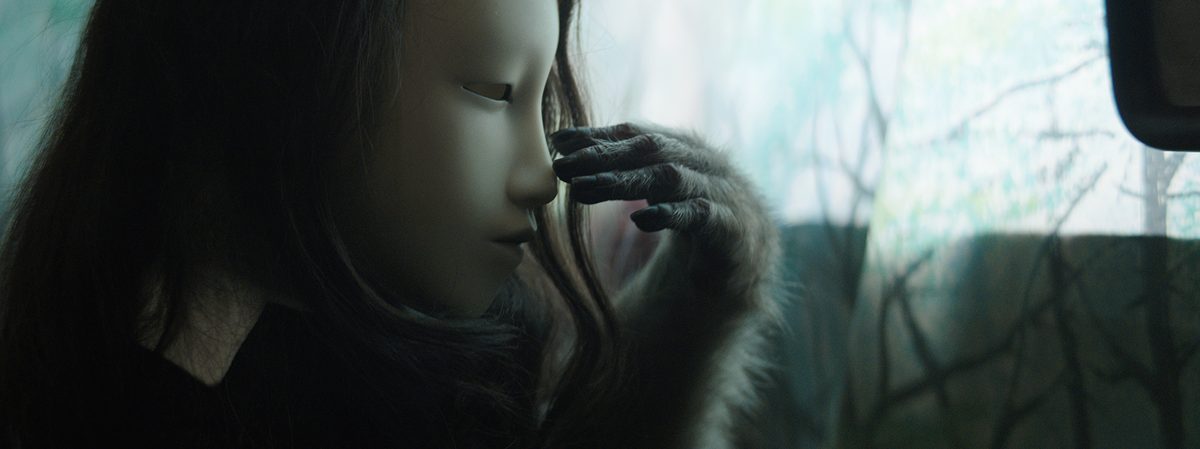
From 3 October 2018 to 10 February 2019, the Serpentine Gallery in London showed UUmwelt by the French artist Pierre Huyghe.
The work begins with an experiment. Participants were placed in an fMRI scanner and asked to imagine certain images. Huyghe did not reveal what they imagined. The scanner recorded their brain activity as they did.
That data was run through several deep neural networks, the kind of artificial intelligence built to recognise images. The networks compared the brain patterns against databases of known images and tried to reconstruct what the person had in mind. The work was made with a laboratory in Kyoto, Japan, that researches decoding images from the brain.
The results appeared on five large LED screens: thousands of images in constant change, half recognisable, half dissolving. None is ever complete. Everything is in between.
Flies, light and visitors
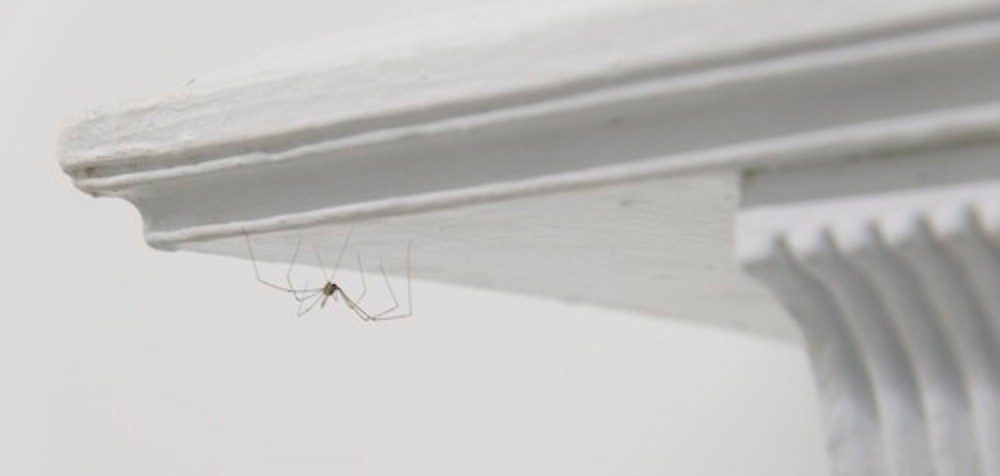
The room is not only machines. Huyghe released a colony of bluebottle flies. They were bred throughout the exhibition, each generation living about two weeks. Visitors saw them land on the screens, cross the light, walk on the walls.
The flies are not guests. They are part of the system. Sensors recorded light, fly activity and visitor movement, and fed it back into the neural network, altering the images. The room adjusts itself to what happens inside it.
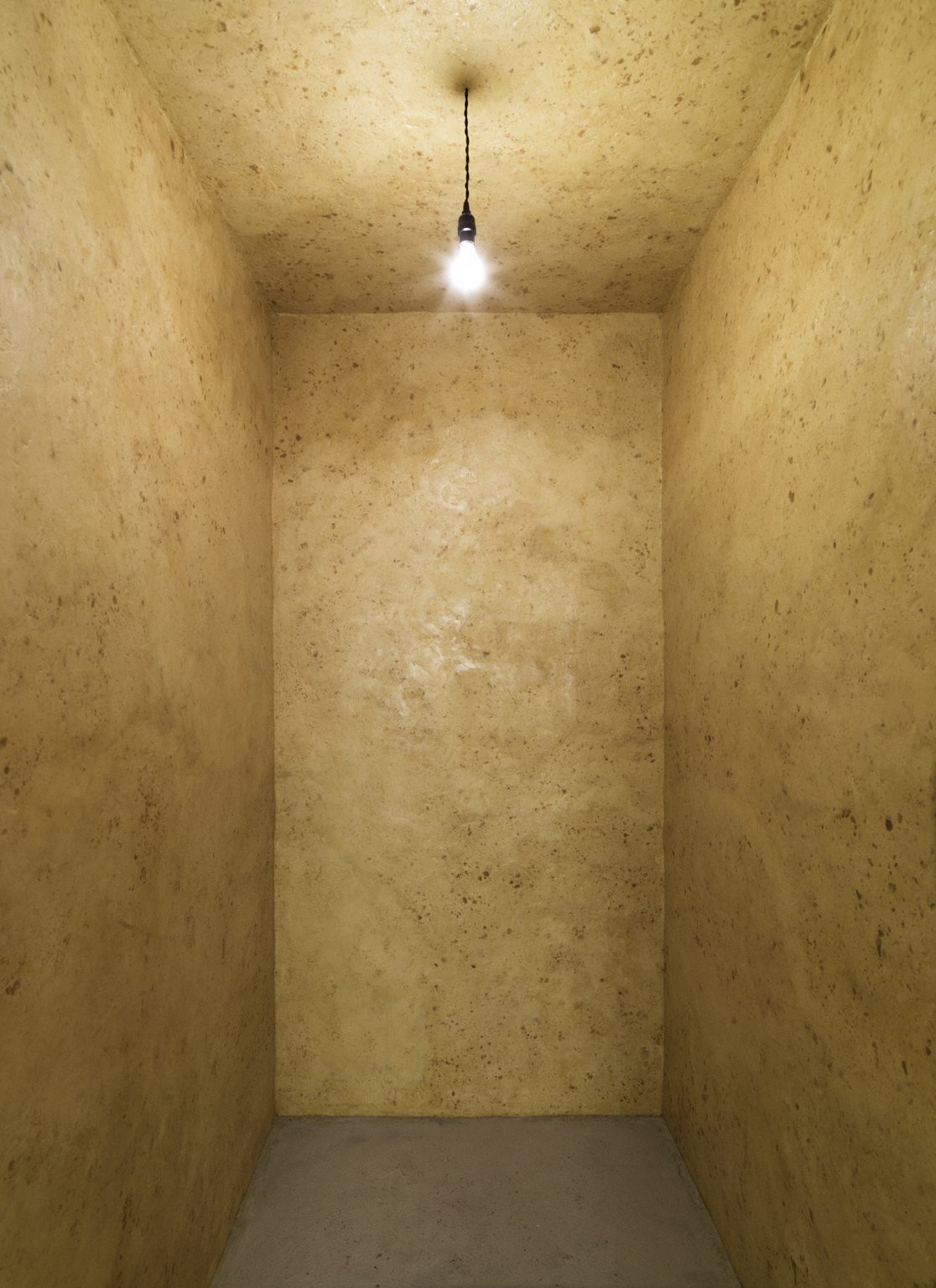
The walls were altered too. The paint was sanded back to expose traces of earlier Serpentine exhibitions, including Arthur Jafa's show and paintings by Leon Golub, surfacing as faint patterns. Huyghe's Hole for Rat shows him using the smell of another species in a very different way.
A sequence of smells from brain waves
From the same scan data Huyghe developed a sequence of smells and a soundtrack. The smells spread through the room and shifted over time. Visitors found them at times unpleasant, at times stirring odd associations they could not name.
Smell does what the screens cannot. An image on an LED stays outside the viewer; one can look away. A smell goes in. Together with the flies, the changing light and the warping images, it made a space of unease, hard to stand in for long.
The smells were not chosen to please. They do not decorate the room. They are another translation of the same thought, written in molecules instead of pixels.
Two Us
Umwelt is German for environment. The biologist Jakob von Uexküll used it for the private world each species perceives through its own senses. Tick, fly and human live side by side, each in a different world.
Huyghe spells the title with two Us. The extra letter works as a bridge, or a crack, between worlds that do not overlap: the human brain, machine learning, the flies, the visitor.
UUmwelt tells no story. It is a small ecosystem, living and computing, running whether anyone watches or not. Visitors enter as one more creature, carrying their own sensory world. And the smell reminds them that this room was not made for human eyes alone.
Olfactory Art