
Essays · Fashion as Design
Rick Owens, Temple of Love.
Even the grey of dust has a name.
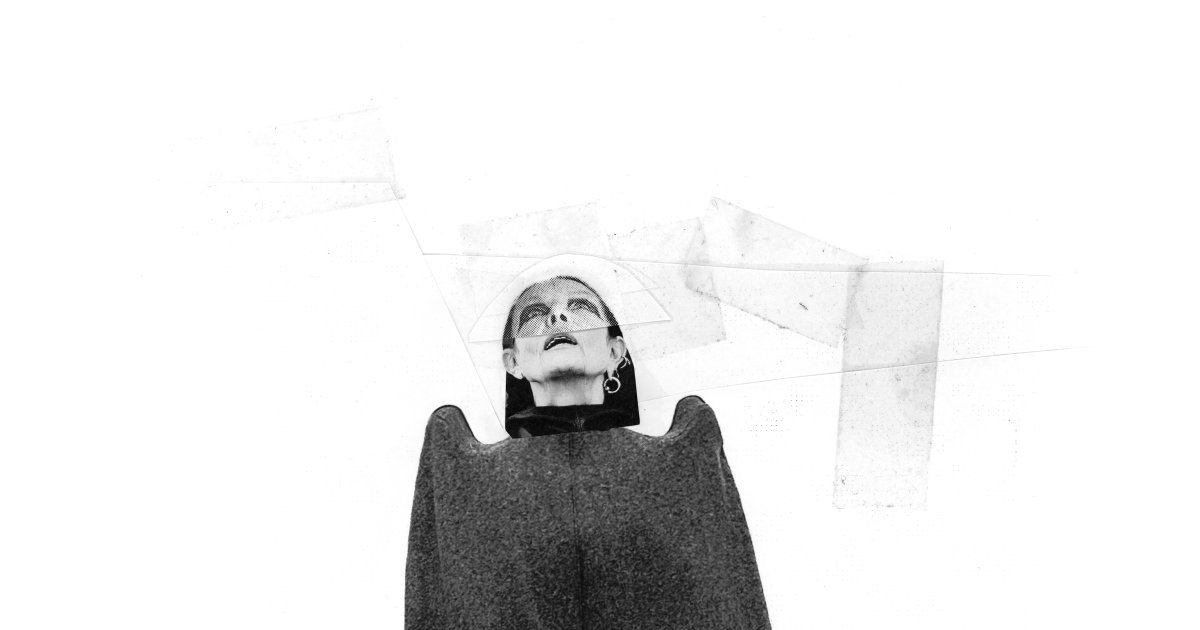
© Rick Owens · Palais Galliera
A temple inside a fashion museum
Rick Owens, Temple of Love ran at the Palais Galliera, the fashion museum of the City of Paris, from 28 June 2025 to 4 January 2026. More than a hundred silhouettes were shown.
Miren Arzalluz, the museum's honorary director, was general curator. Alexandre Samson, head of collections, led the research. Rick Owens himself was artistic director.
The exhibition did not stop at the galleries. Thirty brutalist concrete sculptures stood in the garden. The statues on the museum's façade were wrapped in sequin embroidered fabric. The garden was planted with Californian vines and plants.
In other words, the building was dressed too. Owens wrapped its elegant façade in glittering cloth and set rough concrete beside it. Old and new stood side by side, neither giving way.
Black, dust, used things
Owens works mostly in black and muted tones, including a particular grey he calls dust. The name reveals an attitude: the colour of what settles, what is overlooked, what covers objects as time passes.
As for materials, the exhibition notes how he repurposed military bags, army blankets and washed leather into clothing. These things were made to endure: to carry, to keep warm, to last. As garments they keep the weight and roughness of their former life.
The result is sculptural silhouettes, long, draped, sometimes covering the wearer entirely. They do not chase brightness. They are closer to something that has existed a long time and is still standing.
Visitors know the dark, rebellious image attached to Owens. Up close, what stands out is attention to material. Someone who values an old blanket enough to build a coat from it is not only trying to shock.
There is a consistency here. Dust grey, old blankets, washed leather, rough concrete in the garden: all carry the marks of time on their surface. Owens does not build a brand new world and then age it. He starts from what is already old and asks what it can still become. That question runs through the whole exhibition, from a single coat to a garden.
The people and things nearby
Michèle Lamy, Owens's wife, is central throughout. One room recreates the couple's Californian bedroom. That detail turns the exhibition into a story about a shared life, not only a label.
The exhibition also opens up Owens's sources: the writer Joris-Karl Huysmans, early twentieth century Hollywood films, modern and contemporary art. Works by Gustave Moreau, Joseph Beuys and Steven Parrino hang alongside the clothes.
A separate room holds works of an explicit sexual and violent nature, with a warning to visitors. The museum does not hide it, but places it behind a threshold that each visitor chooses to cross.
The title, Temple of Love, seems at odds with black cloth and concrete. Perhaps that is the point. A temple does not need to shine. It needs a place where people gather, with objects that have been kept, and the person one loves close by.
Fashion as Design