
Essays · Olfactory Art
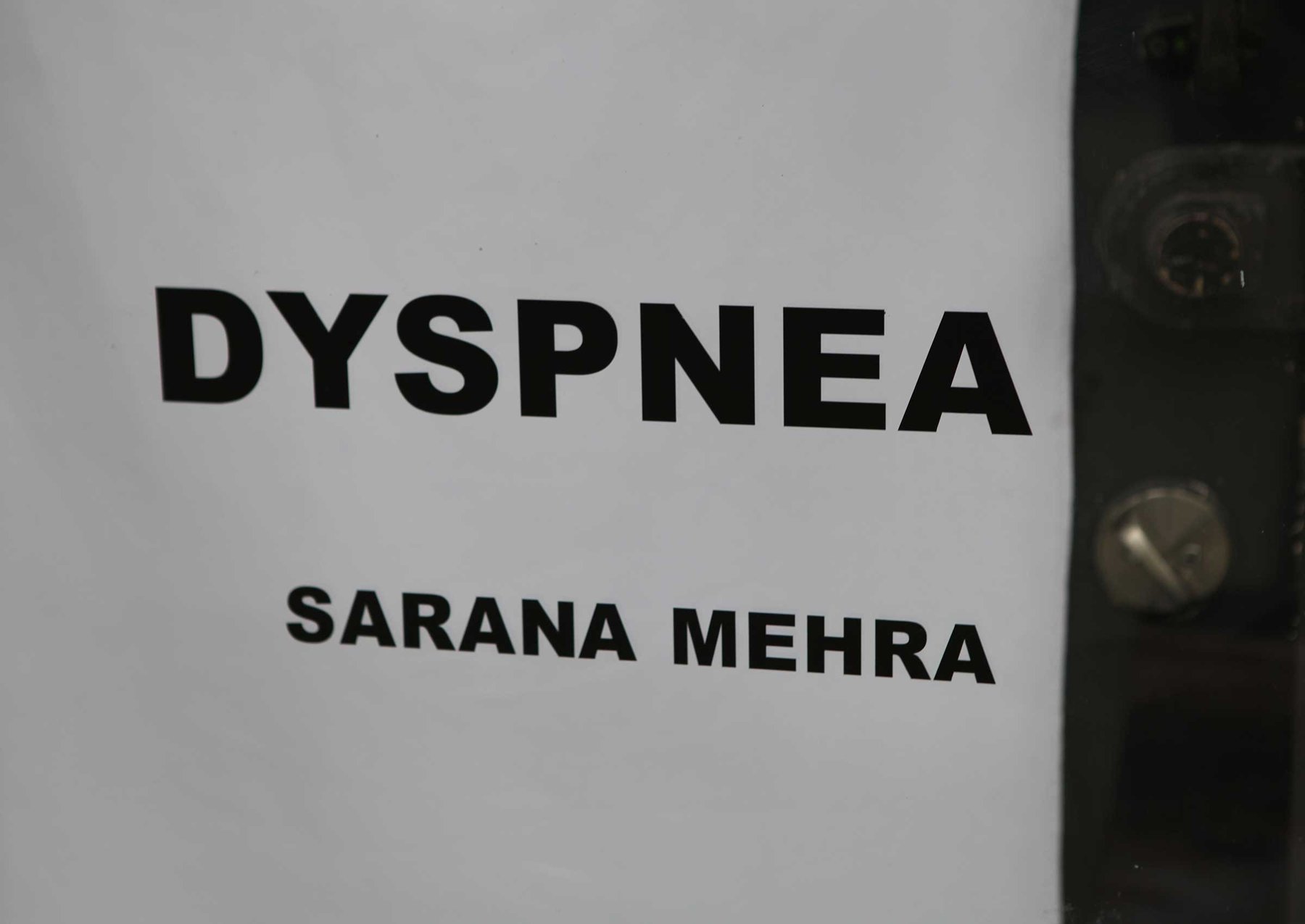
Sarana Mehra. Dyspnea.
Every breath in is an act of trust.
Institute for Art and Olfaction · Institute for Art and Olfaction
A medical word as a title
Dyspnea is the medical term for shortness of breath. It is a word doctors write in charts, not one usually chosen for an art exhibition. Sarana Mehra chose it.
The show opened at IAO Gallery, the exhibition space of The Institute for Art and Olfaction on Chung King Road in Los Angeles, and ran from 1 to 26 April 2022. The opening reception was on 2 April. On 23 April the artist gave a talk in the gallery.
By then the world had lived through two years of Covid 19, a disease of the airways. For months, the most natural act of the body, breathing in and out, became something to weigh. How close to stand, which room to enter, how many lungs the air had passed through before it reached yours.
Dyspnea looks back at that time. Not through figures or news, but through a much older question: how do people respond to illness and death, and what part does scent play in those responses?
The artist and her body
Sarana Mehra was born in London and lives in Los Angeles. She studied fine art at the University of Oxford and took her MFA at Central Saint Martins in London. She is biracial and British American, and a co founder of Artists 4 Democracy.
One detail sets this show apart from works that describe the pandemic from a distance. Mehra is in a high risk group. She is disabled and has a cardiac history. For her, the fear of breathing during the pandemic was not an idea. It was a daily calculation.
So Dyspnea is both a work about a shared period and a very personal record. Visitors see the anxiety of a whole society through the eyes of someone with more reason to worry than most of us.
Drawings, votives, relics and a scent
The exhibition brought together drawings, sculptural votives and objects that read as relics. Mehra set contemporary symbols beside Eastern and Western mythologies. The arrangement recalls the shrine, where people have long placed objects to ask for help or give thanks in the face of disease.
The scent was new, developed by Mehra with The Institute for Art and Olfaction for the show. The gallery text describes the subject as the role of scent in the alchemic responses people have to death and disease.
The word alchemic matters. An alchemist tries to turn one substance into another. Faced with illness, people do something similar with smell: burning leaves, smoking rooms, sprinkling scented water, wiping with alcohol. Each gesture tries to turn dangerous air into safe air. Some rest on science, some on belief, and at times the two are hard to separate.
Mehra has said that during the pandemic, the smell of isopropyl alcohol set off responses in her like those that follow trauma. A smell tied to cleaning became a signal of danger. The show holds both sides: scent can wake pain, and scent can also serve as a kind of spiritual cleansing.
Why a small show stays
The pandemic left many images: empty streets, crowded wards, faces behind masks. It also left an archive of smells that few people recorded. Hand gel at every doorway. The cloth of a mask after a long day. Rooms no one dared to air.
Dyspnea is one of the rare attempts to bring that archive into a gallery. It does not make visitors afraid again. It asks them to breathe in, slowly, in a space prepared for it, and to ask how their own breathing has changed.
A paradox sits at the centre of the work. To notice the scent of an exhibition about breathlessness, you have to breathe. The very act once held in suspicion is the only way into the work.
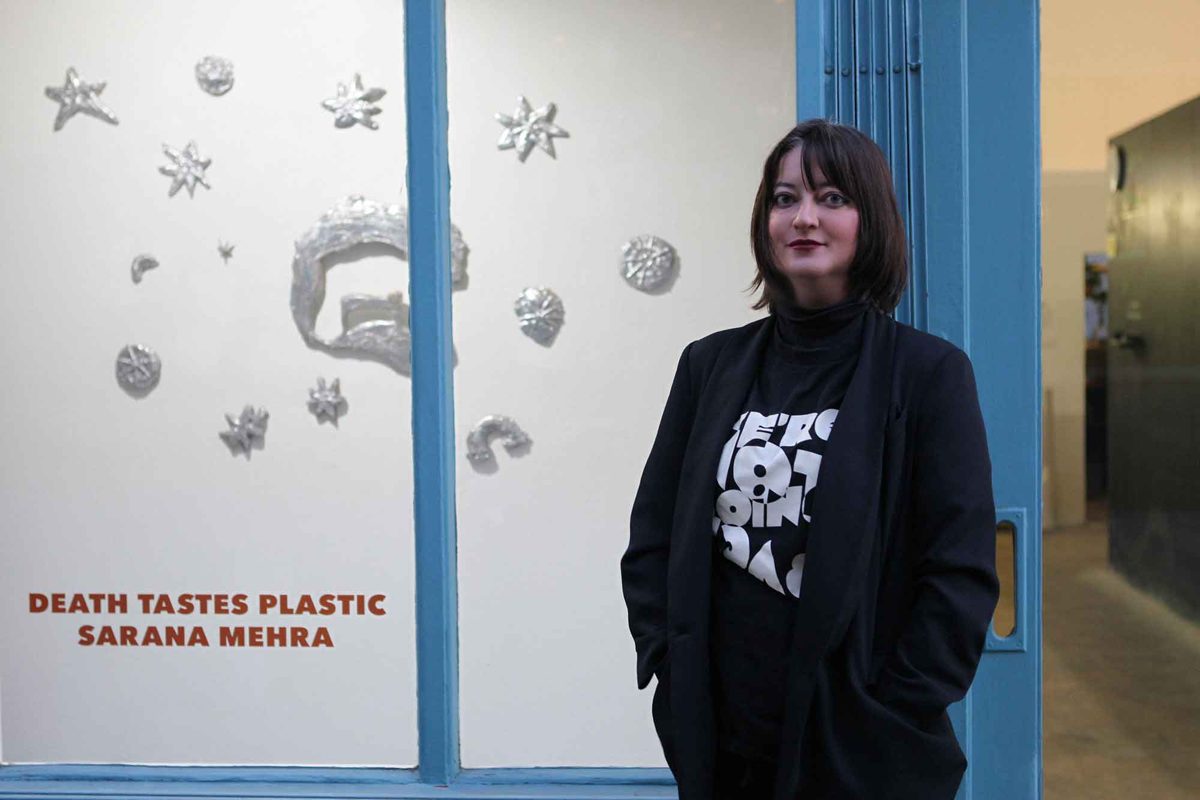
Two years later, Mehra returned to the same gallery with Death Tastes Plastic. This time the scent was no longer that of a shared period, but of hospital corridors she had walked herself.
Olfactory Art