
Essays · Olfactory Art
Sissel Tolaas. RE_________.
Một khoảng trống cũng là một lời mời.
A blank is also an invitation.
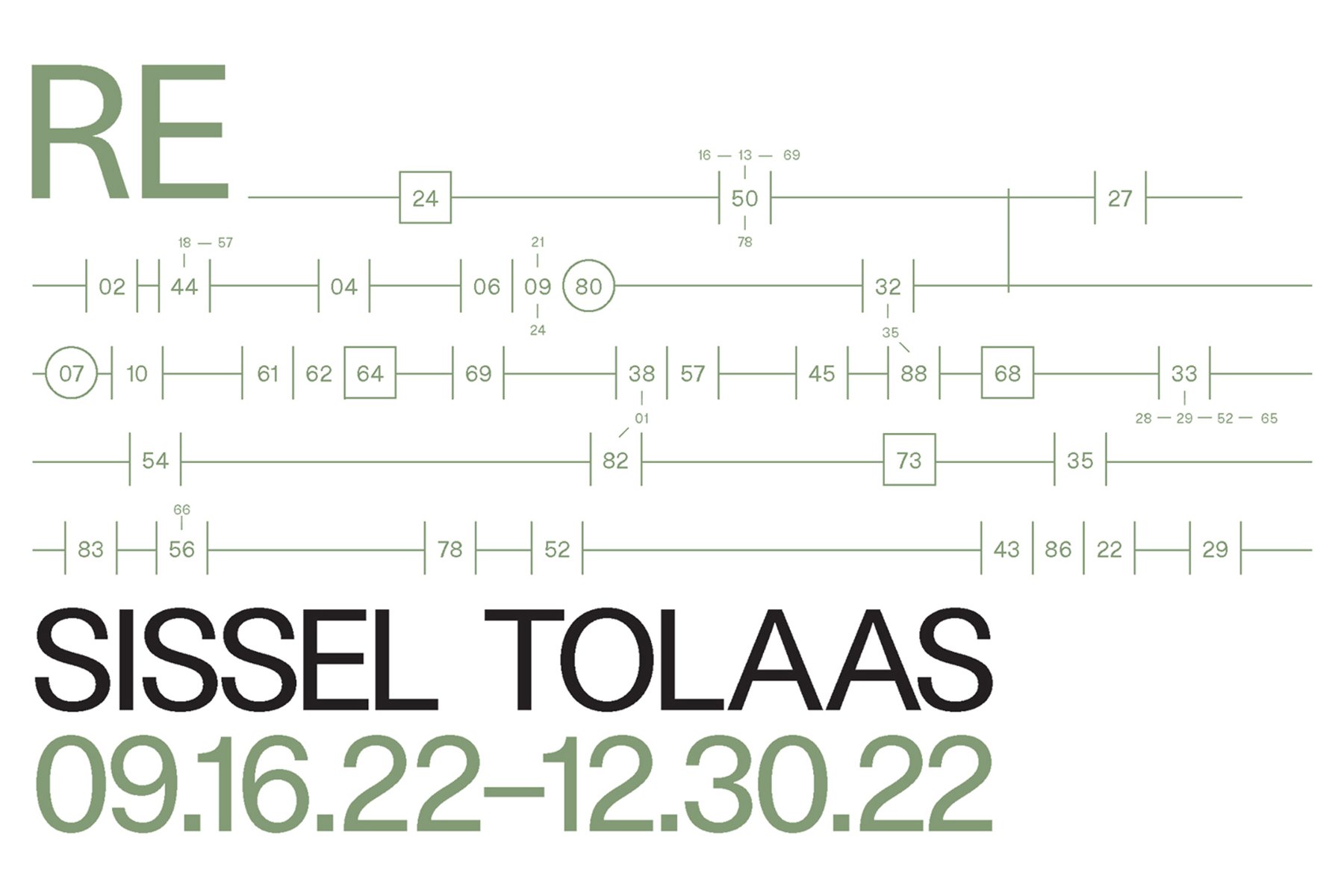
Institute of Contemporary Art, University of Pennsylvania (ICA Philadelphia) · Institute of Contemporary Art, University of Pennsylvania (ICA Philadelphia)
Hai chữ cái và một khoảng trống
Mùa thu năm 2021, Astrup Fearnley Museet ở Oslo mở RE_________, triển lãm cá nhân của Sissel Tolaas. Đây là lần trình bày lớn nhất từ trước tới nay về công việc của bà. Triển lãm do Solveig Øvstebø phụ trách, trải qua bảy không gian trong nhà và ngoài trời.
Tolaas sinh ở Na Uy, sống ở Berlin. Bà đã dành hơn ba mươi năm để nghiên cứu mùi như một ngôn ngữ, một loại dữ liệu và một chất liệu nghệ thuật. Tác phẩm của bà từng xuất hiện ở Venice Biennale, Tate Modern, MoMA New York.
Tên triển lãm không đầy đủ. Hai chữ cái RE, rồi một dãy gạch dưới. Theo giới thiệu của bảo tàng, khoảng trống ấy có thể mở ra nhiều chữ: remember, reveal, revive, regrowth, và còn nữa. Nhớ lại, hé lộ, hồi sinh, mọc lại. Tên triển lãm là một câu chưa viết xong, và người xem được mời viết tiếp.
Một khảo cổ học của hiện tại
Tolaas gọi các phần của triển lãm là những tình huống, không phải tác phẩm. Mỗi tình huống là một mùi, hay một nhóm mùi, được tìm ra, phục dựng, phân loại và đánh số. Các tác phẩm được làm riêng cho kiến trúc của nơi trưng bày, nên mỗi phòng có một cách để mùi hiện ra.
Nguồn của những mùi ấy trải gần khắp các châu lục và rất nhiều bối cảnh xã hội. Da người. Tiền. Kim loại. Mồ hôi. Nỗi sợ. Biển. Hạt giống. Băng đang tan. Danh sách này đọc lên giống một bản kiểm kê hơn là một bảng màu. Không có mùi nào được chọn vì nó dễ chịu.
Bảo tàng mô tả cách làm này như một khảo cổ học khứu giác của hiện tại. Khảo cổ học thường đào lên những thứ đã qua. Tolaas đào lên những thứ đang ở quanh ta nhưng không ai giữ lại: mùi của một con phố hôm nay, mùi của một tờ tiền đang lưu hành, mùi của băng trước khi nó không còn.
Nỗi sợ trong danh sách không phải là một ẩn dụ. Tolaas đã làm việc nhiều năm với mùi mồ hôi của những người đang sợ, như trong loạt Fear. Ở RE_________, nỗi sợ nằm cạnh hạt giống và nước biển, như một vật trong kho, ngang hàng với mọi vật khác.
Mùi của ba trăm tám mươi nghìn đô la
Tháng 9 năm 2022, triển lãm sang Institute of Contemporary Art tại University of Pennsylvania, Philadelphia, mở từ ngày 16 tháng 9 đến ngày 30 tháng 12. Zoë Ryan, giám đốc ICA, sắp xếp lại triển lãm cho toà nhà này. Đó là lần đầu một triển lãm lớn về Tolaas được làm ở Mỹ.
Ở lối vào, mỗi người nhận một lọ nhỏ. Trong lọ là mùi của tiền mặt, cụ thể là mùi của 380.000 đô la, do Tolaas làm riêng cho lần trình bày này. Người xem cầm theo lọ mùi ấy khi đi qua các phòng.
Chi tiết này vừa buồn cười vừa không. Tiền là thứ trừu tượng nhất trong đời sống: một con số, một lời hứa, một dòng trên màn hình. Nhưng tiền mặt thì có mùi. Giấy, mực, kim loại, mồ hôi của những bàn tay đã đếm nó. Tolaas trả tiền về lại dạng vật, và đưa nó cho mọi người, không phân biệt.
Mã số thay cho nhãn
Trong triển lãm không có những tấm nhãn quen thuộc cạnh tác phẩm. Thay vào đó là những mã số, đặt gần mỗi tình huống. Người xem phải ngửi trước, đoán trước, rồi mới biết mình vừa ngửi thấy gì. Ở Philadelphia, lời giải cho các mã số được đặt trong phòng cuối, trên tầng hai.
Thứ tự này đảo ngược cách bảo tàng thường vận hành. Thông thường, ta đọc nhãn rồi mới nhìn. Chữ đi trước, giác quan đi sau. Tolaas bắt mũi làm việc một mình, không có chữ đỡ. Có người đoán đúng. Nhiều người đoán sai. Cả hai đều là một phần của tác phẩm.
Khi đọc lời giải, nhiều người sẽ ngạc nhiên về khoảng cách giữa điều họ cảm nhận và điều được ghi. Khoảng cách ấy chính là khoảng trống sau chữ RE. Mùi luôn đến trước tên của nó. Tolaas chỉ để khoảng thời gian ấy dài ra một chút, đủ để người ta nhận thấy.
Two letters and a blank
In autumn 2021 the Astrup Fearnley Museet in Oslo opened RE_________, a solo exhibition by Sissel Tolaas and the largest presentation of her work to date. Curated by Solveig Øvstebø, it spread across seven indoor and outdoor spaces.
Tolaas was born in Norway and lives in Berlin. For more than thirty years she has studied smell as a language, a form of data and an artistic material. Her work has been shown at the Venice Biennale, Tate Modern and MoMA in New York.
The title is incomplete. Two letters, then a row of underscores. According to the museum, the blank can open onto many words: remember, reveal, revive, regrowth, and more. The title is an unfinished sentence, and the visitor is invited to continue it.
An archaeology of the present
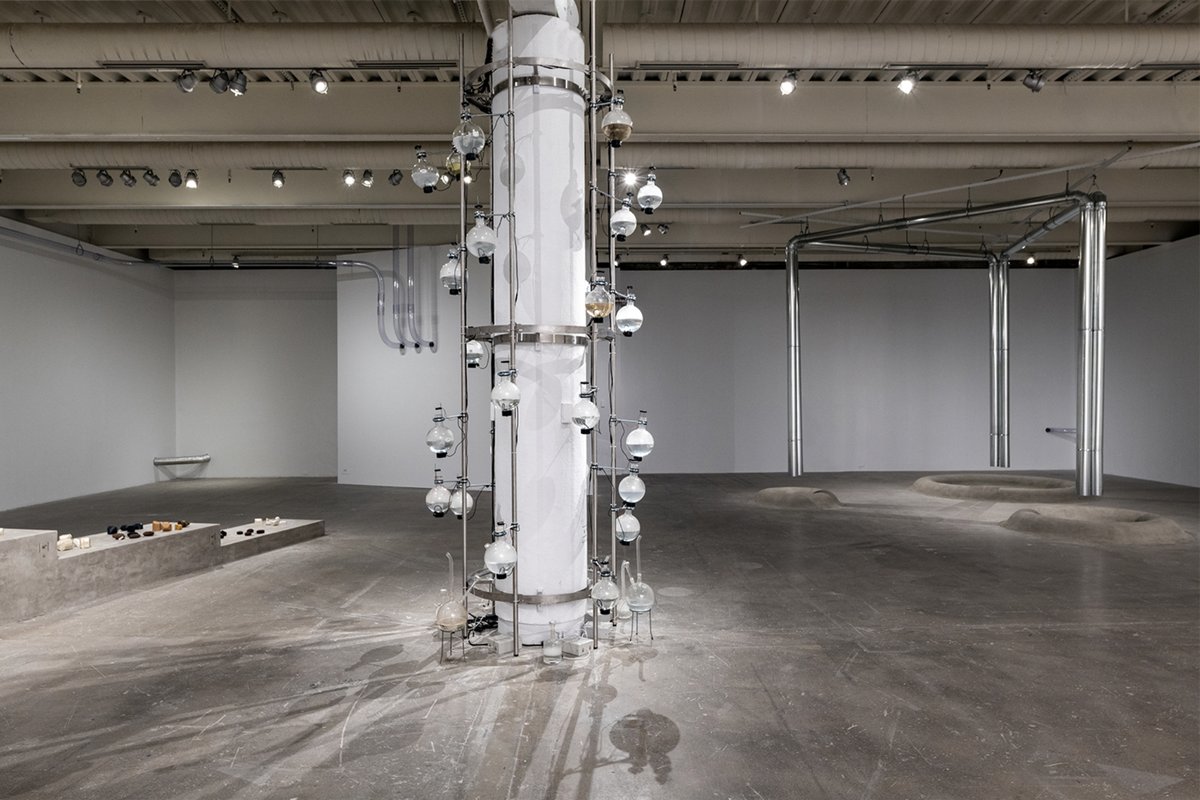
Tolaas calls the parts of the show situations, not works. Each situation is a smell, or a group of smells, found, reconstructed, classified and numbered. The pieces were made for the architecture of the venue, so each room lets smell appear in its own way.
The sources span nearly every continent and many social settings. Human skin. Money. Metals. Sweat. Fear. The ocean. Seeds. Melting ice. Read aloud, the list sounds more like an inventory than a palette. No smell was chosen because it was pleasant.
The museum described the approach as an olfactory archaeology of the present. Archaeology usually digs up what has passed. Tolaas digs up what is around us now and that nobody keeps: the smell of a street today, of a banknote in circulation, of ice before it is gone.
Fear on the list is not a metaphor. Tolaas has spent years working with the sweat of frightened people, as in the Fear series. In RE_________, fear sits beside seeds and seawater, one object in the archive among the rest.
The smell of 380,000 dollars
In September 2022 the exhibition travelled to the Institute of Contemporary Art at the University of Pennsylvania in Philadelphia, open from 16 September to 30 December. Zoë Ryan, the ICA's director, reconfigured it for that building. It was the first major show of Tolaas's work in the United States.
At the entrance, each visitor received a small vial. Inside was the smell of cash, specifically of 380,000 dollars, made by Tolaas for this presentation. Visitors carried it with them through the rooms.
The detail is funny and not funny. Money is the most abstract thing in daily life: a number, a promise, a line on a screen. Cash, though, smells. Paper, ink, metal, the sweat of the hands that counted it. Tolaas turns money back into matter and hands it to everyone alike.
Codes instead of labels
The familiar labels beside each work were absent. In their place were codes, set near each situation. Visitors had to smell first, guess first, and only later learn what they had smelled. In Philadelphia, the key to the codes waited in a final room on the second floor.
This reverses how museums usually work. We read the label, then we look. Words first, senses after. Tolaas makes the nose work alone, without words to lean on. Some guess right. Many guess wrong. Both are part of the work.
Reading the key, many people are surprised by the gap between what they sensed and what is written. That gap is the blank after RE. Smell always arrives before its name. Tolaas simply stretches that interval long enough for us to notice it.
Olfactory Art