
Essays · Photography
Alec Soth. Sleeping by the Mississippi.
The river tells no story. It only connects places.
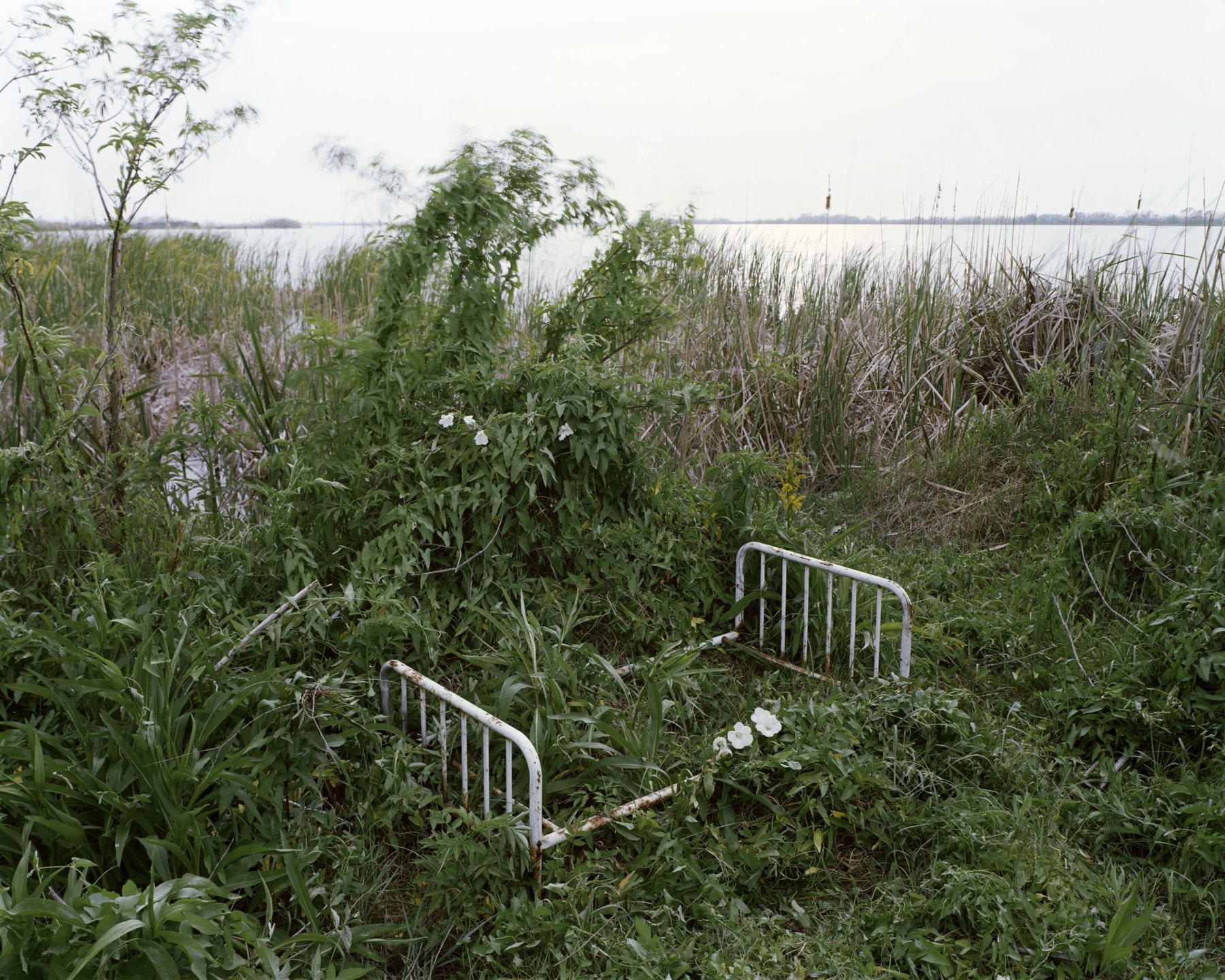
© Alec Soth · Magnum Photos
A river from north to south
The Mississippi begins in Minnesota, runs south through several states and reaches the Gulf of Mexico in Louisiana. Alec Soth, a photographer who grew up in Minnesota, made the river the spine of a project that ran from about 1999 to 2002.
He drove along the river, trip after trip, from the headwaters down. He stopped in small towns: Winona, Vasa, Davenport, Fountain City, Cape Girardeau, Luxora, Port Gibson. He stopped in larger cities: Memphis, Baton Rouge, New Orleans.
He had no shot list. He taped keywords to his steering wheel and let them guide him. Soth has compared the method to surfing the web, but in the real world: moving from one thing to the next by curiosity, without knowing where he would end up.
The result was the book Sleeping by the Mississippi, published by Steidl in 2004. It has been reprinted several times, the fourth printing in 2017.
The slow camera
Soth worked with a large format camera on a tripod. It is heavy and cumbersome, and takes time to set up, to focus under a dark cloth, to meter. No candid shots. No quick shots.
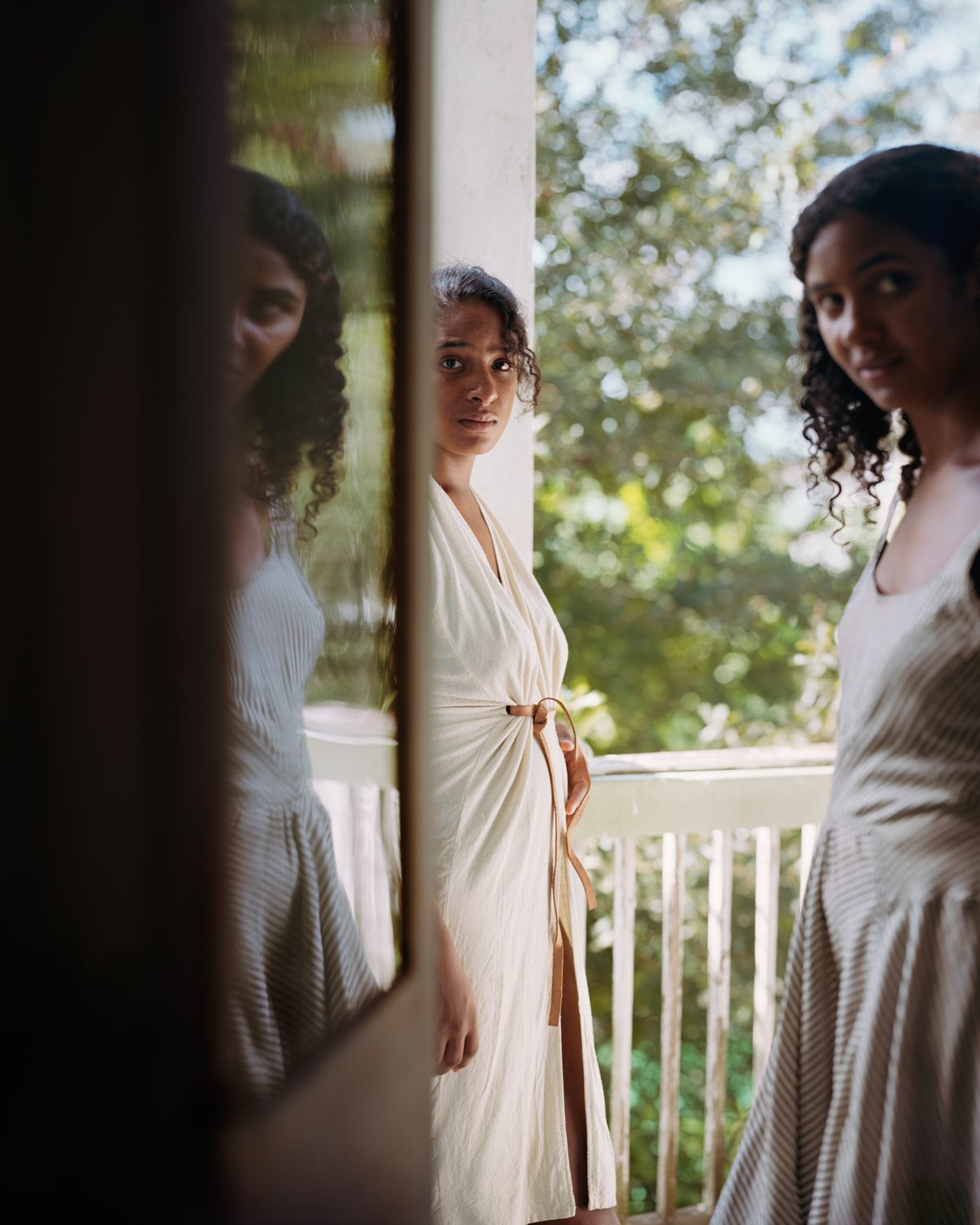
That method changes the relation between photographer and subject. The person in front of the camera knows they are being photographed. They wait. They hold still. In that waiting there is a gravity, a self awareness, sometimes a tiredness, sometimes a dreaminess.
Large format also holds great detail. The pattern of wallpaper. Creases in a bedsheet. Objects on a table. In Soth's pictures, rooms speak about people as much as faces do.
The tradition has roots. Soth is often placed in the line of American road photography, and he has named Robert Frank, Nicholas Nixon and Sally Mann among his influences.
People by the river
The titles are usually just a name and a place. Peter's houseboat, Winona, Minnesota. Charles, Vasa, Minnesota, with flight gear and model aeroplanes. Joshua, Angola State Prison, Louisiana. A mother and daughter in Davenport, Iowa. Bonnie holding a photograph of an angel, Port Gibson, Mississippi. Adelyn on Ash Wednesday, New Orleans. A cemetery in Fountain City, Wisconsin.
There are no long captions. We do not learn what Charles does, what Bonnie believes, why Joshua is in prison. The picture only shows that they stood there, in their room or yard, on a certain day.
Together these people form a long strip following the river. Loneliness, longing, faith, small dreams. As the title suggests, the whole strip carries a half waking mood, like a land asleep along the water.
The river rarely appears directly. But it is always there, as the reason to keep going.
Why it stays
Sleeping by the Mississippi is one of the most discussed photobooks of its generation. It shows that a journey needs no script. Only a route, a slow camera, and a willingness to stop.
Beside Stephen Shore's road trips in Uncommon Places, a shared current of American photography appears: large format, the car, ordinary places. Shore looks at streets and signs. Soth looks at people and their rooms.
Both know that a country is not understood through its famous places. It is understood through small stops along a road, or a river.
Photography