
Essays · Olfactory Art
Delcy Morelos. El espacio vientre.
Earth, too, knows how to shelter.
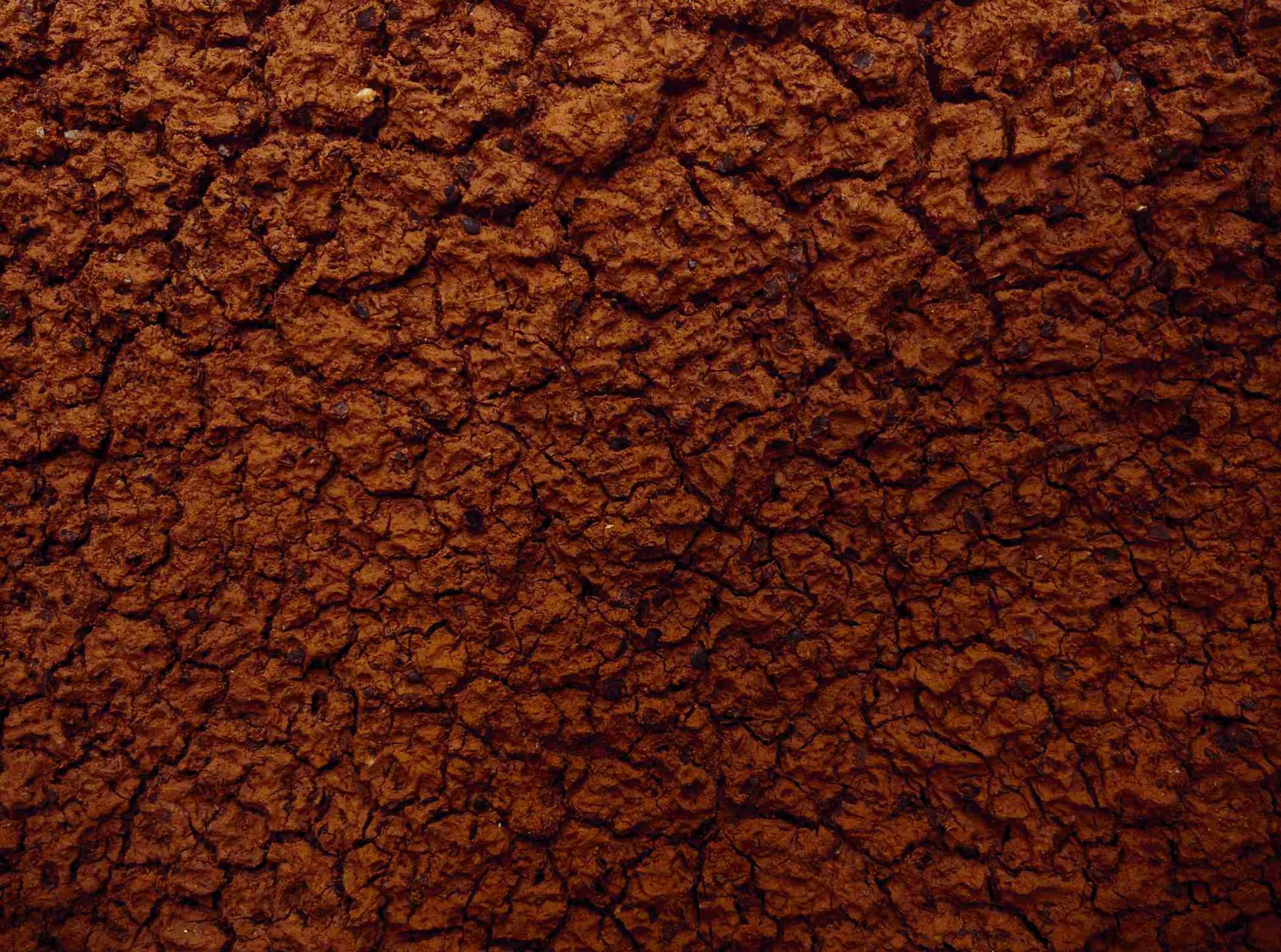
© MUAC, UNAM · MUAC Museo Universitario Arte Contemporáneo (UNAM)
A museum room made of earth
From 18 October 2025 until mid 2026, Room 9 of MUAC, the contemporary art museum of the National Autonomous University of Mexico, was given entirely to Delcy Morelos. The curators were Alejandra Labastida and Daniel Montero.
The work is called El espacio vientre, the womb space. Its main material is earth taken from fields where maize is grown. To prepare, Morelos travelled through Mexico City, Oaxaca and Chiapas, gathering material and researching the sites the work would be placed in dialogue with.
Visitors do not stand before an object. They stand inside a space surrounded by earth. And what arrives first is the smell: soil, fields, the maize plant.
From painting to mass of earth
Morelos was born in 1967 in Tierra Alta, Colombia. MUAC describes her as one of the most recognised Colombian artists on the international scene.
Her early works were paintings. In them she raised questions of earth, of skin colour, and of violence in Colombia. Over time painting was not enough. She moved to volumetric interventions made for particular sites, engaging several senses at once.
Earth is the thread that runs through it all. In the painting years, earth was a colour, a subject. Later, earth became the material itself, with its weight, moisture and smell. Visitors no longer see earth through a picture plane. They are inside it, and they smell it.
Earth as a mother
The title states the idea. Earth is thought of as a feminine presence, tied to fertility and nourishment. The room is thought of as a womb, a place of shelter, and also a place to turn inward.
Smell sits at the centre of that idea. According to the museum, the room carries the smell of maize, and the work points toward the inner states of visitors rather than a spectacle to look at. In Mexico, maize is not just a crop. It is a pillar of Indigenous cultures, of meals and of ritual.
Choosing maize field soil, rather than any soil, matters. It is earth that has worked. It has been ploughed, sown, watered, has raised maize plants and then been left to rest. Its smell is the smell of a long relationship between people and ground, not of a wilderness.
The smell of maize field soil therefore carries a whole cycle: seed in the ground, plant rising, people fed, then everything returning to earth. A womb in the widest sense.
In dialogue with old circles
MUAC stands on the campus of the National Autonomous University of Mexico, not far from two structures the work speaks with. One is the Cuicuilco pyramid, a circular pre-Hispanic structure. The other is UNAM's Espacio Escultórico, a circular sculptural site 120 metres across.
The Espacio Escultórico spreads horizontally, open to the sky. Morelos turns that relation into a vertical tension and closes the space into a shelter. She also refers to circular pre-Hispanic structures further away, such as Caral in Peru and Ciudad Perdida in Colombia.
Circle, earth, enclosure: all lead to one image. Not a monument to look up at, but a hollow to take refuge in. Rooms that visitors enter in order to smell are not new, as in Wolfgang Laib's beeswax room. But at MUAC, the room is made of what feeds an entire culture.
Olfactory Art