
Essays · Olfactory Art
Henning. The prism of a smell.
Smell does not sit in boxes. It slides from corner to corner.
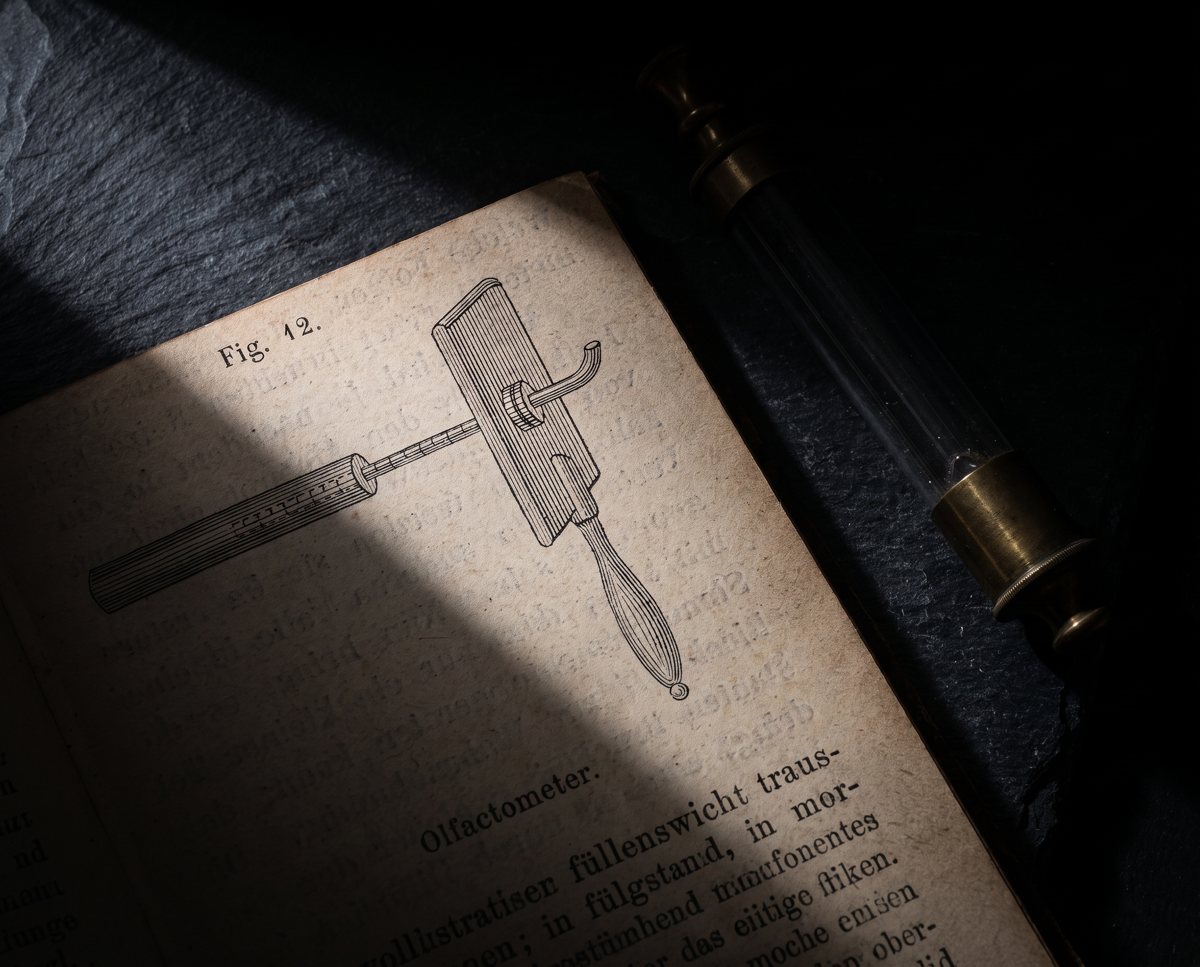
Der Geruch, Leipzig, 1916
Hans Henning lived from 1885 to 1946. He was a German psychologist. In 1916, while lecturing at the University of Frankfurt, he published Der Geruch, Smell, with Johann Ambrosius Barth in Leipzig. The first page notes that parts had appeared earlier in a psychology journal.
Henning says plainly that he reversed the method of earlier authors. While experimenting he did not open a chemistry book. He asked only about perception. Observers were given smells without knowing what they were and arranged them in series by resemblance.
The main set of test materials numbered 415. To miss nothing, his group also went to the zoo four times, to the flower houses of the Palmengarten ten times, and to a chemistry laboratory. He records that on the first day observers were so unsure they confused roasted coffee with violet, but by the second day the series were usable.
The observers are listed by name: about fifteen adults, among them his wife, a former wine merchant and his two daughters, a mechanic, and a few children. Henning writes frankly that without his wife's keen sense of smell the results would have been hard to reach.
Six corners: flowery, fruity, spicy, resinous, burnt, putrid
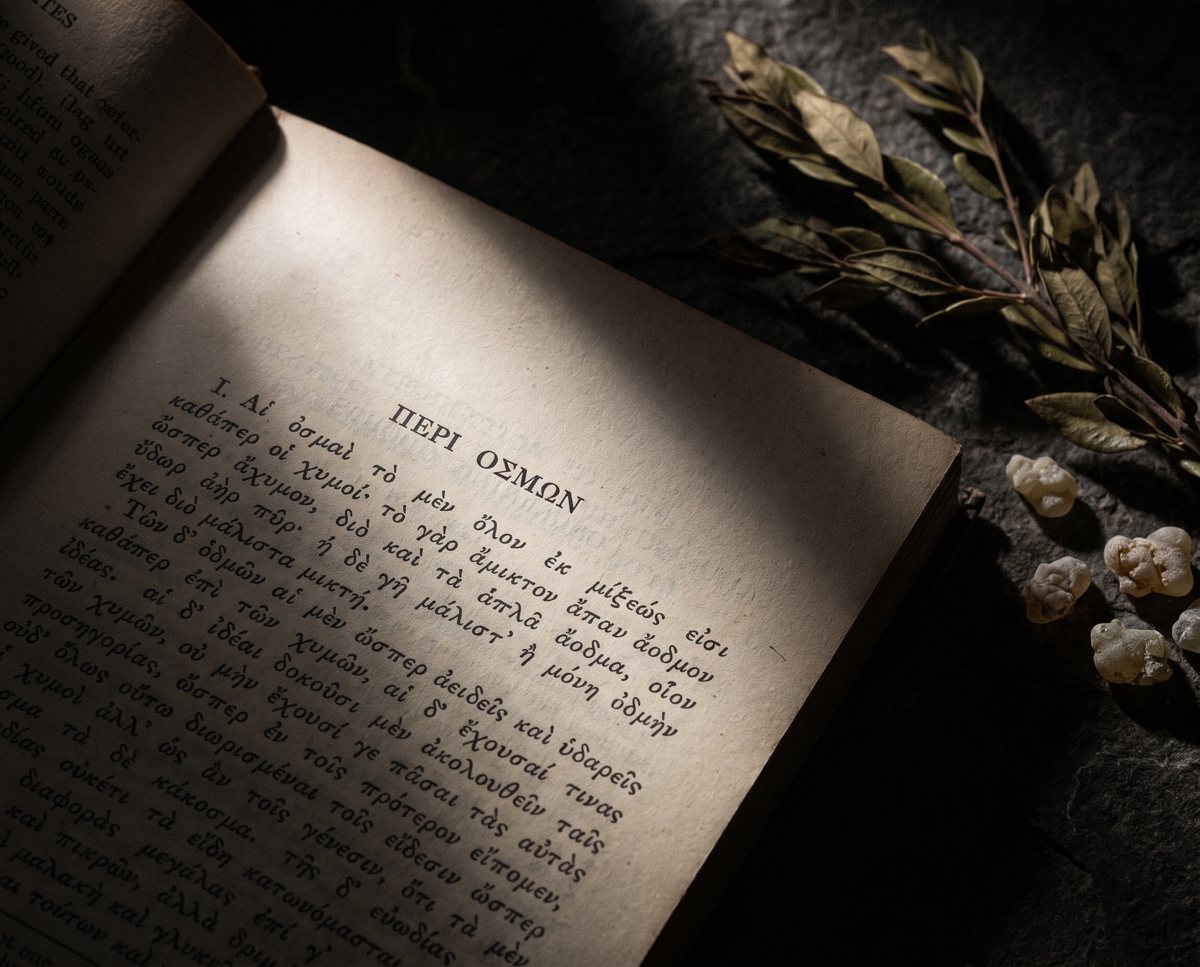
From the series six points emerged. Henning called them primary odours: the places where the direction of resemblance turns. Flowery, blumig. Fruity, fruchtig. Spicy, würzig. Resinous, harzig. Burnt, brenzlich. Putrid, faulig.
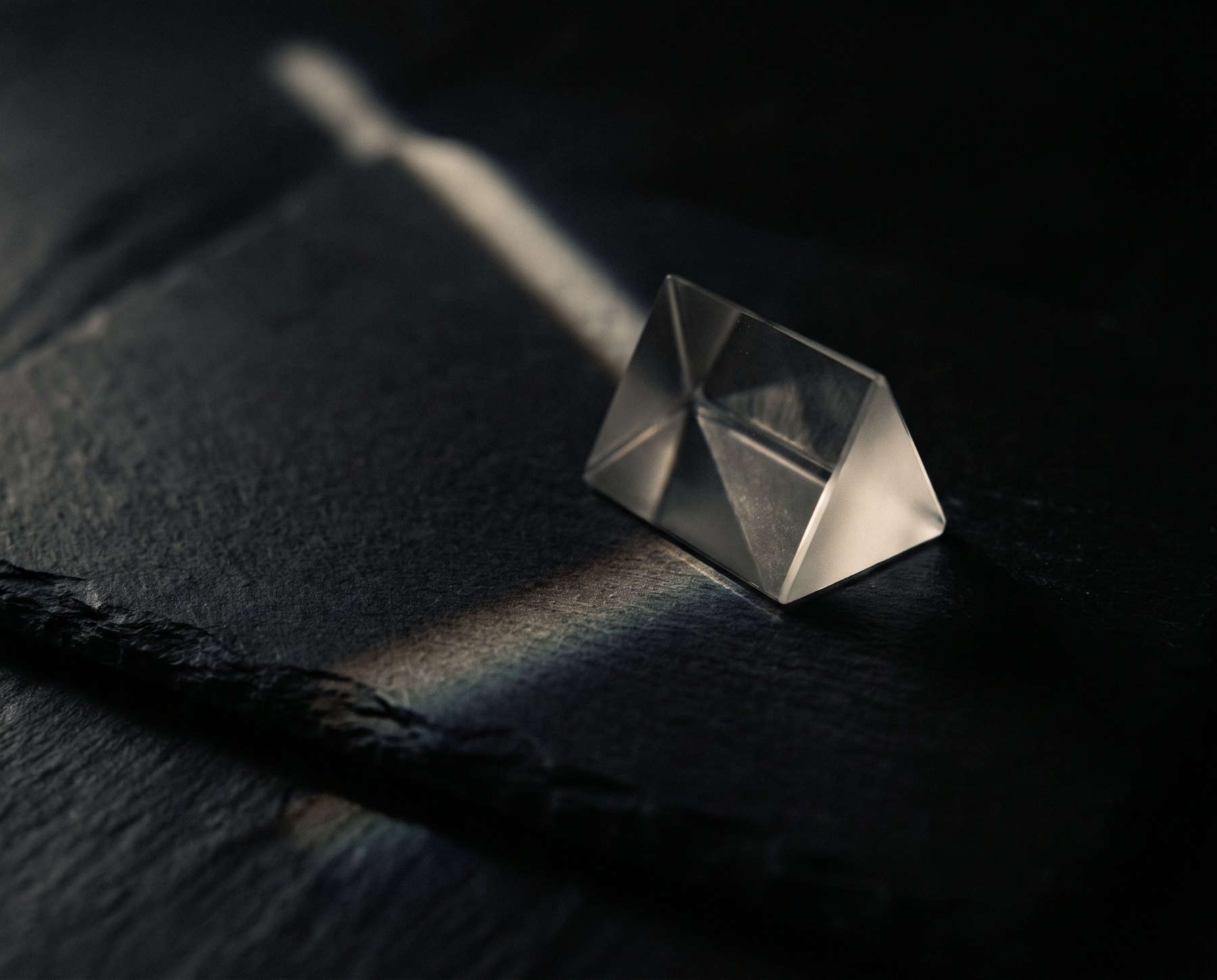
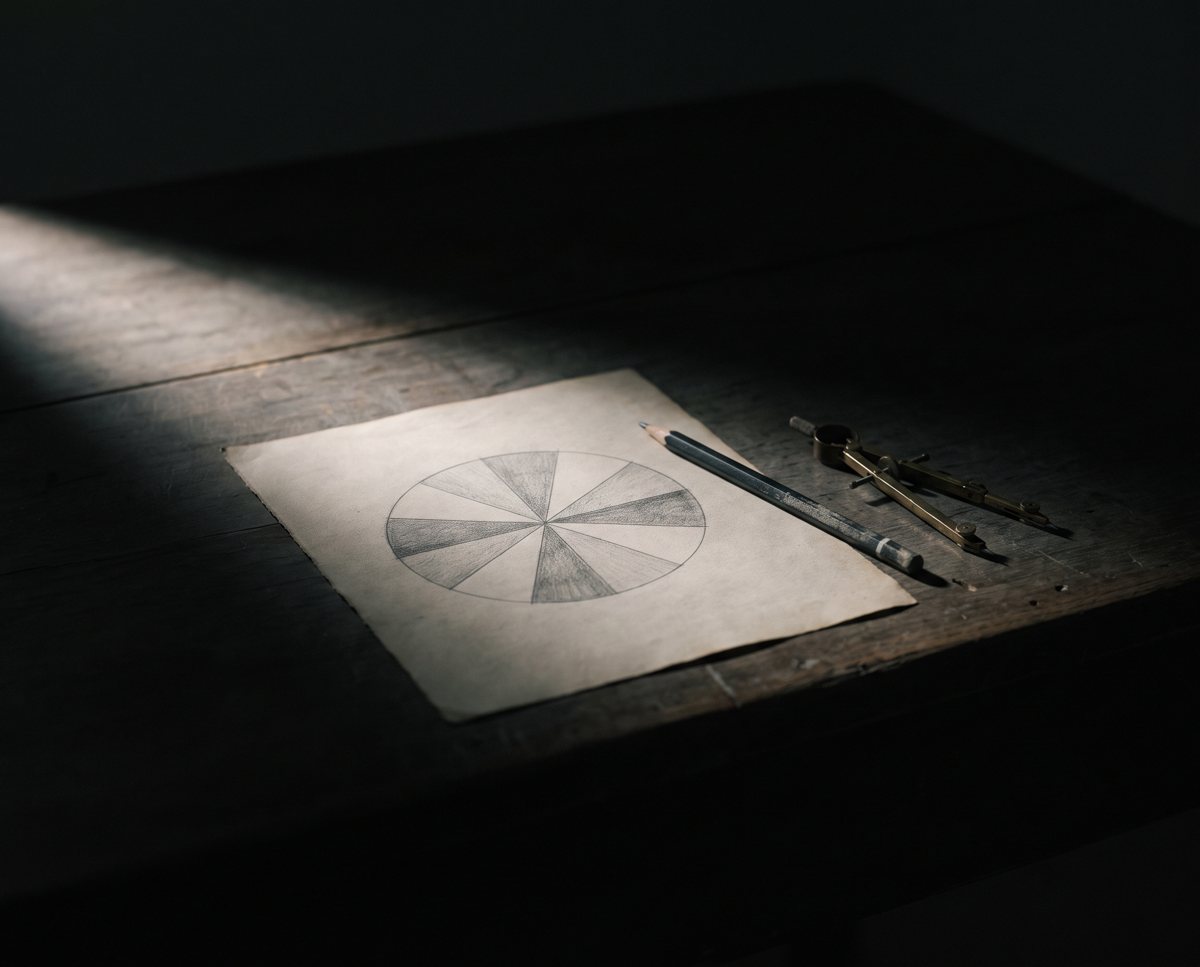
He set them at the six corners of a regular triangular prism. One triangle joins flowery, fruity and putrid. The other joins spicy, resinous and burnt. The three side edges join flowery with spicy, fruity with resinous, putrid with burnt. That gives three rectangular faces.
The series showed continuous transitions. From clove, through bay, thyme, lavender and then vanilla, observers moved step by step from spicy to flowery. From rose, through grapefruit, orange blossom and neroli, flowery turned into fruity. Roasted coffee sat between spicy and burnt.
Henning chose his figure by the crossing of the diagonals on each rectangular face. At the centre of the flowery, fruity, resinous, spicy face he placed thujone, wormwood and tansy, smells observers found similar to all four corners. Simple smells lie only on edges and faces; the interior is for mixtures. He considered and rejected an octahedron, because it would make burnt and putrid opposite poles like white and black.
Repeated from 1922: inconsistent
American psychologists tested the prism early on. MacDonald published a study in 1922 and Findley a follow up in 1924, both in the American Journal of Psychology. According to a 2025 review in Chemical Senses, Findley found observers' arrangements closer to random than consistent. In 1927 Dimmick surveyed the study of odour qualities in Psychological Review.
The weaknesses were named again and again: few observers, many of them close to the author, no statistical testing, and the stinging sensations of the nose mixed into judgements of smell. Henning had also added a chemical hypothesis, that all substances in one odour class share a type of molecular bond. Later chemistry did not confirm it.
So the prism never became the standard map of smell. But it did not disappear either.
Giving a shape to what has none
What remains of Henning is an idea: smell changes continuously and does not fall into separate boxes. The statistical odour maps built from the late twentieth century onward also work with continuous transitions, though they no longer use six corners.
There is something moving in the drawing. Smell has no shape. It has no edges, no faces. Yet a man sat with his wife, a few friends and 415 vials, and tried to see it as a solid in space.
The prism is wrong in its details. But it gives the reader a new way to think: a smell is not a label but a position, always lying near another smell.
Olfactory Art