
Essays · Contemporary Art
Julian Rosefeldt. Manifesto.
Old words, new rooms. The meaning shifts with the room.
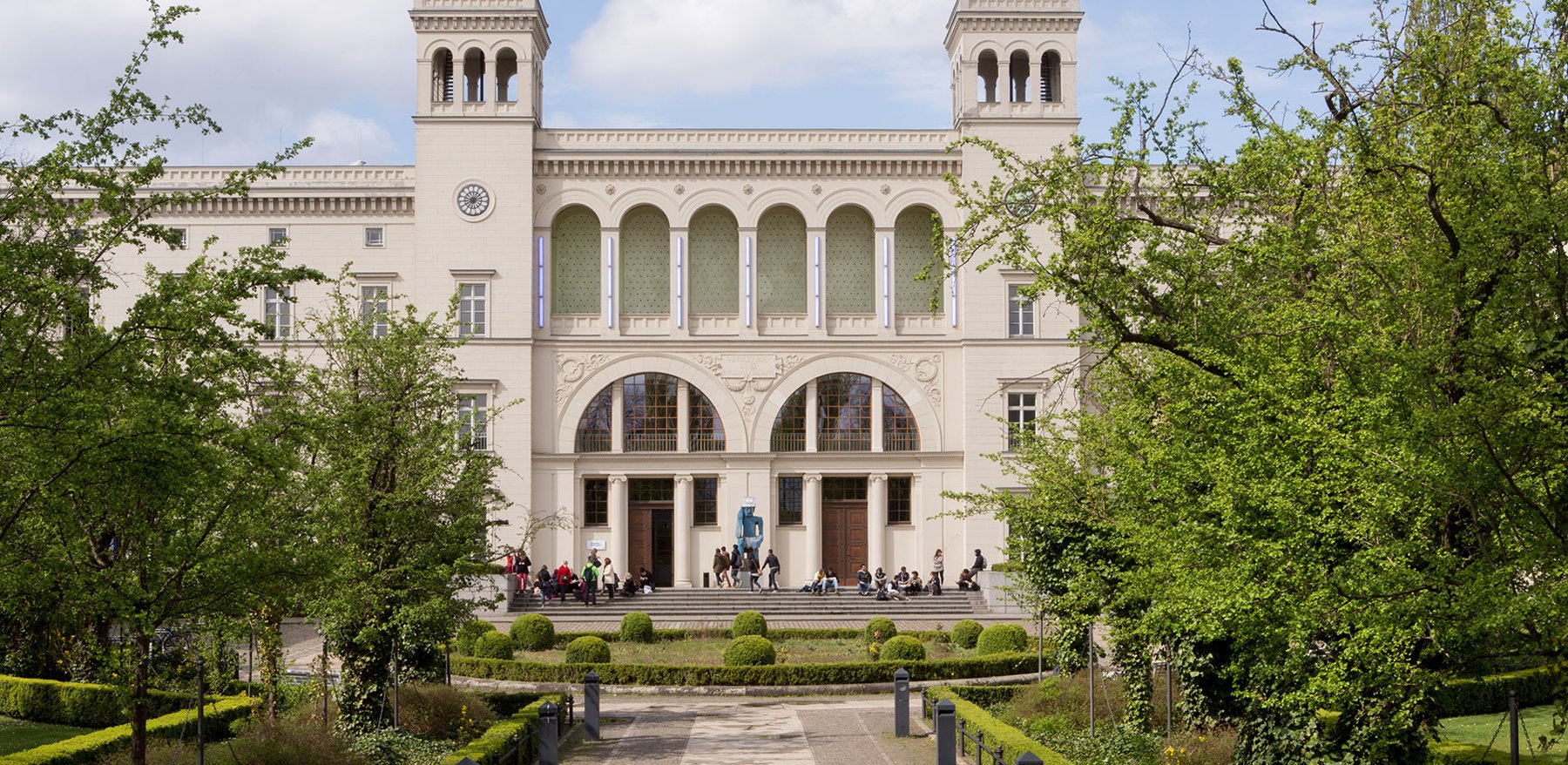
Staatliche Museen zu Berlin (Hamburger Bahnhof) · Staatliche Museen zu Berlin (Hamburger Bahnhof)
Thirteen screens, one person
Manifesto is a film installation by the German artist Julian Rosefeldt, completed in 2015. In the gallery, thirteen films run in parallel on thirteen screens. Visitors walk among them, stop at one, and are pulled away by a voice from another.
All thirteen films share one performer: Cate Blanchett. She does not play herself. She becomes very different people. A teacher. A puppeteer. A broker. A speaker at a funeral. A homeless man.
Each character delivers a long monologue. But the words are not ordinary film dialogue. They come from the art manifestos of the twentieth century.
From February to November 2016 the work was shown at the Hamburger Bahnhof, Berlin's museum of contemporary art. The run was first planned to end in September and was then extended.
Cutting and joining declarations
Rosefeldt reread a great many texts. Marinetti's Futurist manifesto. Tristan Tzara's Dada declarations. Malevich on Suprematism. André Breton's Surrealist manifesto. Then later voices: Claes Oldenburg, Yvonne Rainer, Sturtevant, Adrian Piper, Sol LeWitt, even the filmmaker Jim Jarmusch.
He did not rebuild them in historical order. He cut them down, joined passages from several authors, and wrote thirteen new monologues. Each one is a mixture of many voices, spoken through a single mouth.
Then came the staging. Costume, make up, location. Each monologue was placed inside a scene of present day life. Words once shouted in artists' cafés or printed in newspapers now sound out in very ordinary places.
The work was co-produced by several institutions: the Australian Centre for the Moving Image in Melbourne, the Art Gallery of New South Wales in Sydney, the Sprengel Museum in Hannover, the Ruhrtriennale and the broadcaster Bayerischer Rundfunk.
Big words in small places
The most interesting thing about Manifesto is the mismatch. A manifesto is written to destroy, to shock, to rally. Spoken by a teacher in front of a class, or at a graveside, it sounds both funny and strange.
Sometimes the mismatch empties the words. Sentences that once burned now sound like slogans. Sometimes the ordinary setting sharpens them instead. The viewer suddenly realises that an idea thought to be dated is still true, still sore.
Blanchett holds both possibilities. She does not mock the texts. She speaks them seriously, in each character's voice. That seriousness leaves space for viewers to decide for themselves what they are hearing.
The method is close to one other video artists have used: take existing words, cut them up, put them back together. Omer Fast once joined single words spoken by CNN anchors into a new monologue. Rosefeldt does something similar with art history, while keeping the weight of each original sentence.
Why it is worth remembering
Manifesto is not an art history lecture. It does not explain Dada or Futurism. It lets the words live again, in bodies and rooms their authors could never have imagined.
Its question is simple: is an idea still itself once its setting has gone? The authors of manifestos believed their words were universal. Rosefeldt tests them in a completely different world.
The result is not a single answer. Some old words hold. Some collapse. The viewer walks among thirteen screens and listens.
The work is also about making art at all. Every manifesto promises something new. Read side by side, they show how one generation's new becomes the next generation's old. Words follow words, a long line of people standing up in turn to say: this is what art really is.
Contemporary Art