
Essays · Contemporary Art
Mierle Laderman Ukeles. Touch Sanitation Show.
A city lives by hands we do not see.
An exhibition in a garbage station
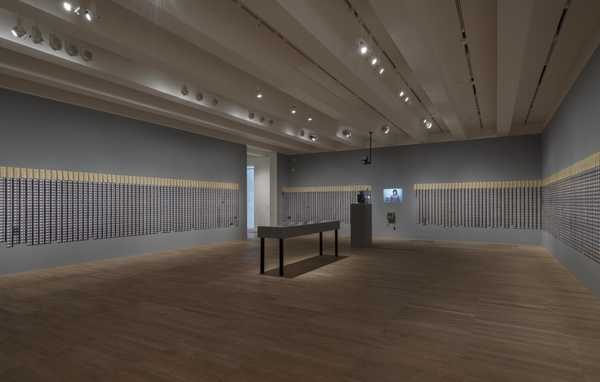
In 1984, in New York, an art exhibition opened somewhere few would have imagined: the 59th Street Marine Transfer Station, where the city's garbage was moved onto barges. According to Creative Time, the organisation behind the project, it was the first art exhibition in a real sanitation facility in the United States.
It was called Touch Sanitation Show, Part One. The artist was Mierle Laderman Ukeles.
The building had its own story. The station was built in 1901, renovated in 1934 by the WPA, the Depression era public works agency, and was scheduled for demolition after the exhibition closed in October 1984.
So the work was made in a place about to disappear, about people the city did not see.
The handshakes
The exhibition was one stage in a much longer piece of work. Before it, Ukeles had travelled across New York to meet the city's sanitation workers, some 8,500 of them. She shook each one's hand and thanked them for keeping New York alive.
No object came out of those meetings. The work was the action itself: arrive, hold out a hand, say a sentence. Repeat until the city has been covered.
The gesture is small, almost awkward. But for people whose work is seen as dirty and avoided, someone reaching for their hand is not a small thing. The handshake reverses a habit: instead of turning away from the person who takes the garbage, an artist walks towards them.
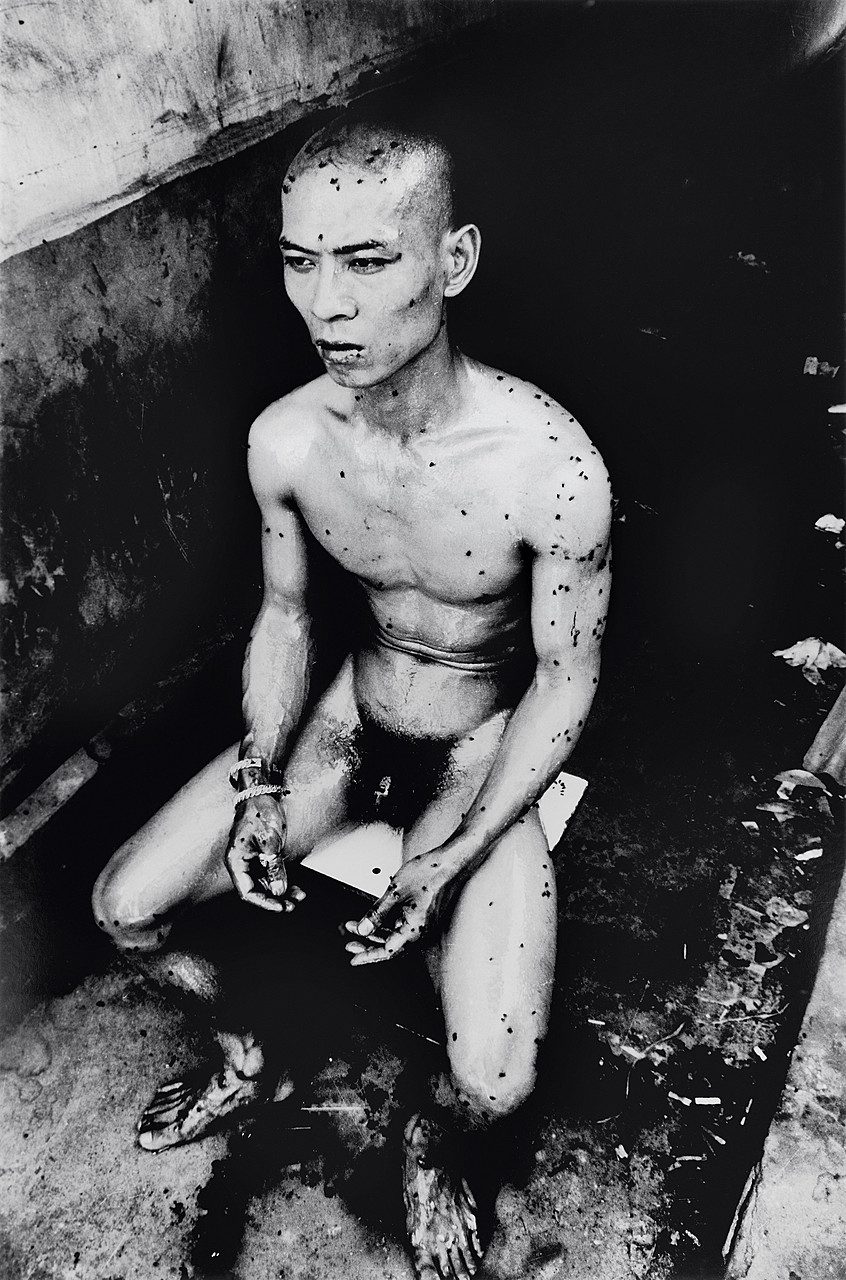
The photograph Creative Time uses for the exhibition was taken by Ukeles herself, courtesy of Ronald Feldman Fine Arts. She did not observe from outside. She was inside, holding the camera, among the people she had met.
The art of keeping things going
Ukeles is often linked with the idea of maintenance art. The core idea is simple: most of life is not making something new but keeping what exists working. Washing, clearing, wiping, taking out the trash. Done today, due again tomorrow.
This work never ends, so it never becomes a product to display. It is also usually given to the people least seen. At home, often women. On the street, sanitation workers.
Ukeles asks: what if this work were called art? What if the people who do it were treated as the makers of a work? Touch Sanitation Show put the question where it belongs: in a garbage station, with its smell, its machines, its trucks.
Visitors did not come to admire a beautiful object. They walked into a part of the city they use every day, indirectly, through the bag left by the door, and had never seen.
Why it still matters
Forty years on, the question has not aged. Every city still runs on people who work while we sleep. Garbage leaves the pavement before we wake. We only notice when it does not.
Touch Sanitation Show did not try to make garbage beautiful. Nor did it turn workers into symbols. It simply brought visitors to the place and let them look.
Another work also looks straight at where things end up: Michael Landy's Break Down, in which everything one person owned was shredded in public. Landy asks what we own. Ukeles asks who clears away what we throw out.
Both questions lead to the same place: behind every object we use is a chain of hands. Ukeles went and shook each hand in that chain.
Contemporary Art