
Essays · Olfactory Art
Captive molecules. Owning a smell.
A smell can have an owner before it has a nose.
What a captive is: a molecule kept in house
In the odour materials trade, a captive is a material a house keeps for its own perfumers. It may be a new molecule from the house's research lab, or a natural material processed in a particular way. What they share: at first it exists for exclusive use, and it is usually protected by industrial property rights.
The large houses, Givaudan, Firmenich, IFF, Symrise, all have captive palettes. Smaller ones do too. Nez magazine, in a 2025 piece on the Spanish house Eurofragance, described two examples: a material obtained from western red cedar sawdust through a patented purification process, and a fully synthetic molecule found while researching a different smell.
Why keep them? A few reasons. A new smell lets the house's perfumers make something others cannot. A new molecule can replace a restricted material. And making one's own material means controlling one's own supply.
The result is something few outsiders know: two perfumes from two houses sometimes differ not because of skill, but because one perfumer may use a molecule and the other may not.
Patents, terms, and the moment a smell is released
Exclusivity over a molecule usually rests on a patent. A patent lets its holder prevent others from making or using what it describes, for a limited time.
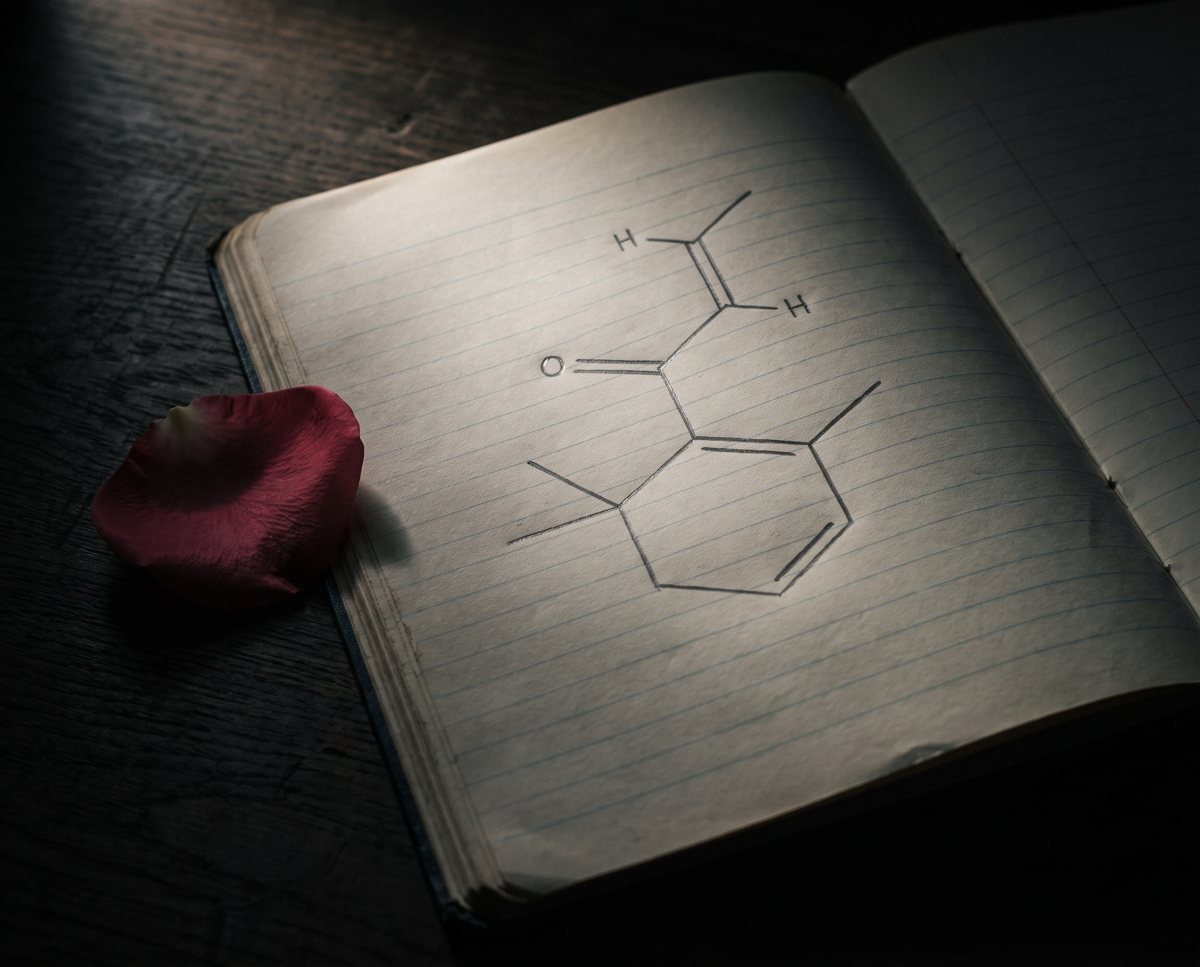
Take an example that can be looked up. Givaudan's US patent 5,707,961, titled Odorant compounds and compositions, describes a family of bicyclic ketones with a woody, ambery smell, powerful and diffusive. It was filed in April 1996, granted in January 1998, and expired in April 2016. Twenty years from filing.
Twenty years is roughly how long a molecule has an owner. During that time the house may keep it entirely to itself, or sell it to others on its own terms. When the patent expires, in principle anyone may make the molecule. Many houses keep selling it under the old trade name, and the name stays tied to the house that found it.
Some famous molecules have travelled this road. Iso E Super, the transparent wood smell almost everyone has met, was developed and patented by IFF in the early 1970s. Today it is found almost everywhere.
Examples from musk and synthetic woods
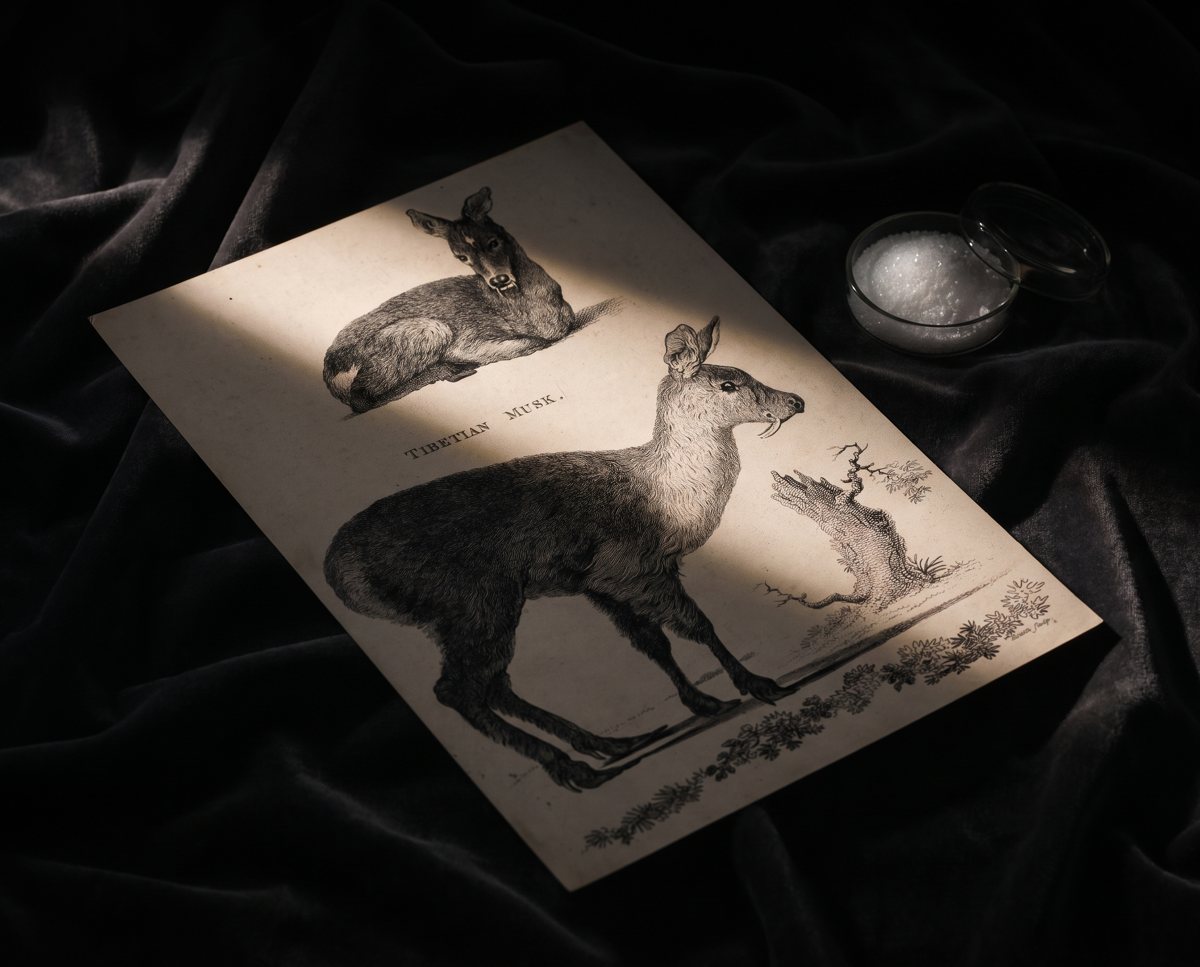
Musk is where the captive race shows most clearly. Natural musk from the musk deer is no longer used. The first generations of synthetic musk, nitro musks and then polycyclic musks, ran in turn into concerns about toxicity or persistence in the environment. Houses needed new molecules.
Firmenich made Helvetolide, regarded as the first commercial alicyclic musk, and later Romandolide. Both names point to Switzerland, the house's home. Their smell is clean, slightly fruity, close to skin. It is the kind of smell many people now simply call clean.
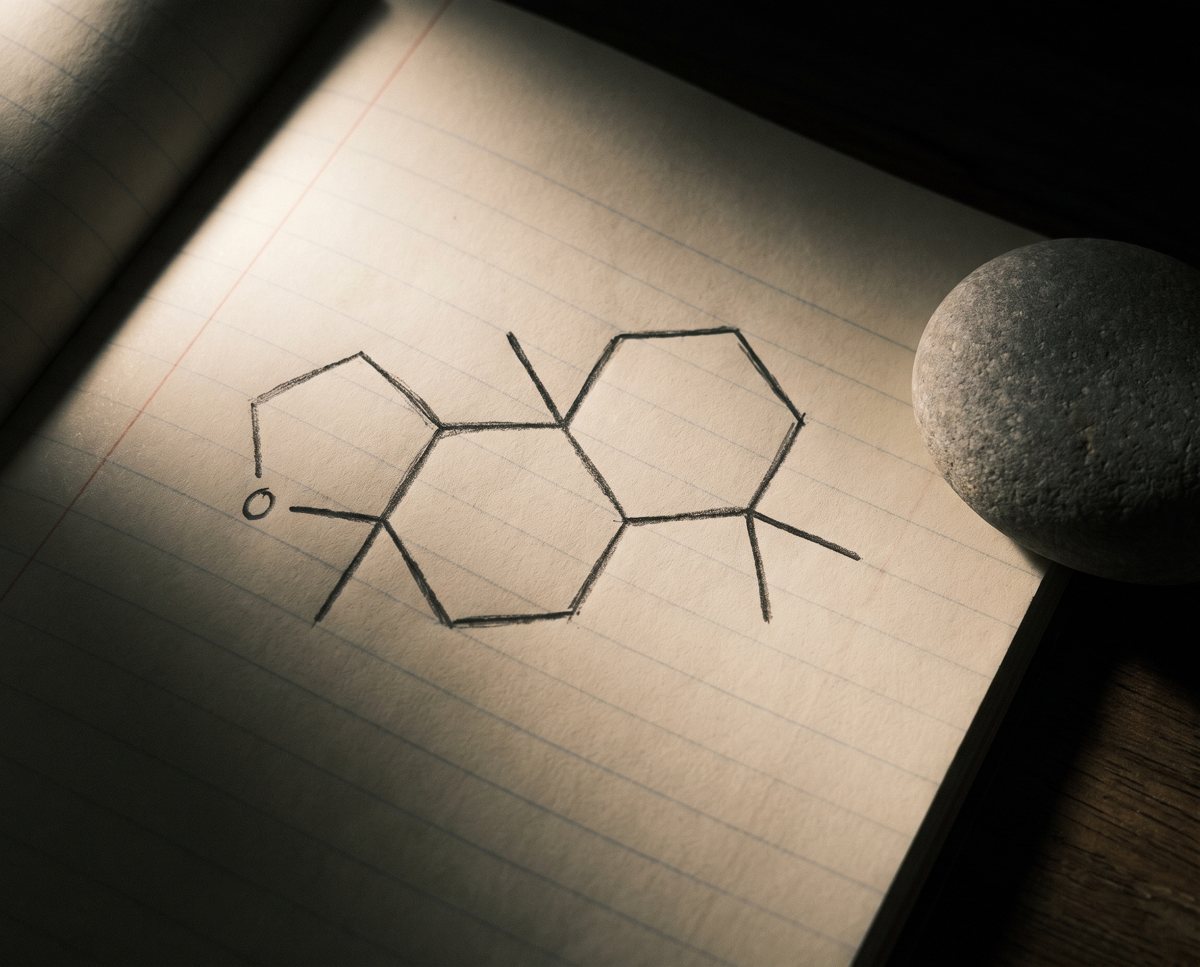
With wood the story is similar. As Indian sandalwood grew scarce, houses made synthetic sandalwood molecules. Givaudan has Javanol, a creamy, very powerful sandalwood molecule whose structure is far from the one in real wood yet smells close. The house's material page lists it with a trademark sign, like any trade name.
What owning a smell means
Ownership here is narrow. A house does not own the smell in the sense that anyone who smells it must ask permission. It owns the right to make and use a specific molecule for a specific time. A passer by who catches it on someone's coat breaks no rule.
Yet that narrow right shapes what we smell every day. A new smell spreads into the world at the pace of patents and contracts. First it sits in a few bottles from one house. Twenty years later it is everywhere: in soap, in laundry liquid, in the air of a lift.
Penta sees here a life cycle of an object. The molecule is found, named, kept, then released. At the end of that cycle it belongs to no one. It becomes part of the common smell, like wood, like water, like smoke.
Olfactory Art