
Essays · Olfactory Art
Tania Bruguera. 10,148,451.
The tears arrive before the story does.
Photograph: Benedict Johnson · Tate
A number for a title
From 2 October 2018 to 24 February 2019, the Turbine Hall at Tate Modern in London belonged to Tania Bruguera. This was the Hyundai Commission, which each year invites one artist to make a work for the museum's vast turbine hall.
The title is a number, and the number does not hold still. It is the count of people who migrated from one country to another the year before, plus the migrant deaths recorded so far that year. The data came from the International Organization for Migration's Missing Migrants Project. Each time the data was updated, the title changed.
So the name of the work is not an idea but a tally. It grew over the course of the show. A visitor in October and a visitor in February did not stand before the same title.
Bruguera was born in Cuba in 1968. She is an artist and activist who works in performance, installation, film and site specific interventions. She calls her practice Arte Útil, useful art: art that should do something in life, not only be looked at.
A face revealed by body heat
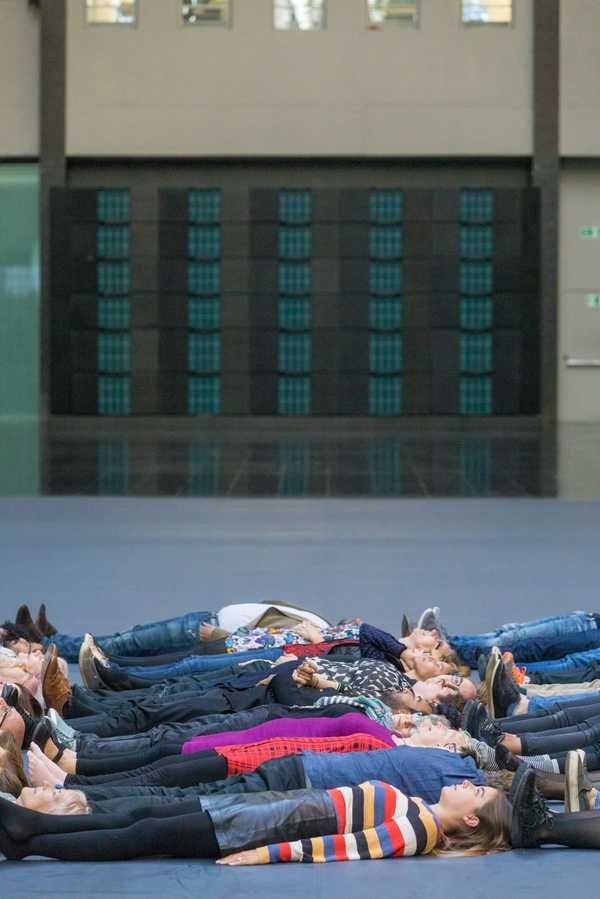
Entering the Turbine Hall, visitors met a wide, dark floor made of heat sensitive material. Anyone who stood or lay on it left a warm patch, and the warmth changed the colour of the floor.
Beneath the dark surface was a portrait of Yousef, a young Syrian man who had migrated to London. One person could reveal only a small piece. To see the face, many people had to lie down together, press backs and hands to the floor, and stay long enough.
In other words, the face of one stranger could appear only when other strangers joined forces. And it faded as soon as they stood up.
The hall also held a low frequency sound. It never became a melody. It vibrated in the chest more than it rang in the ear, and it made the space uneasy. The museum offered ear defenders to anyone who wanted them.
The room that made people cry
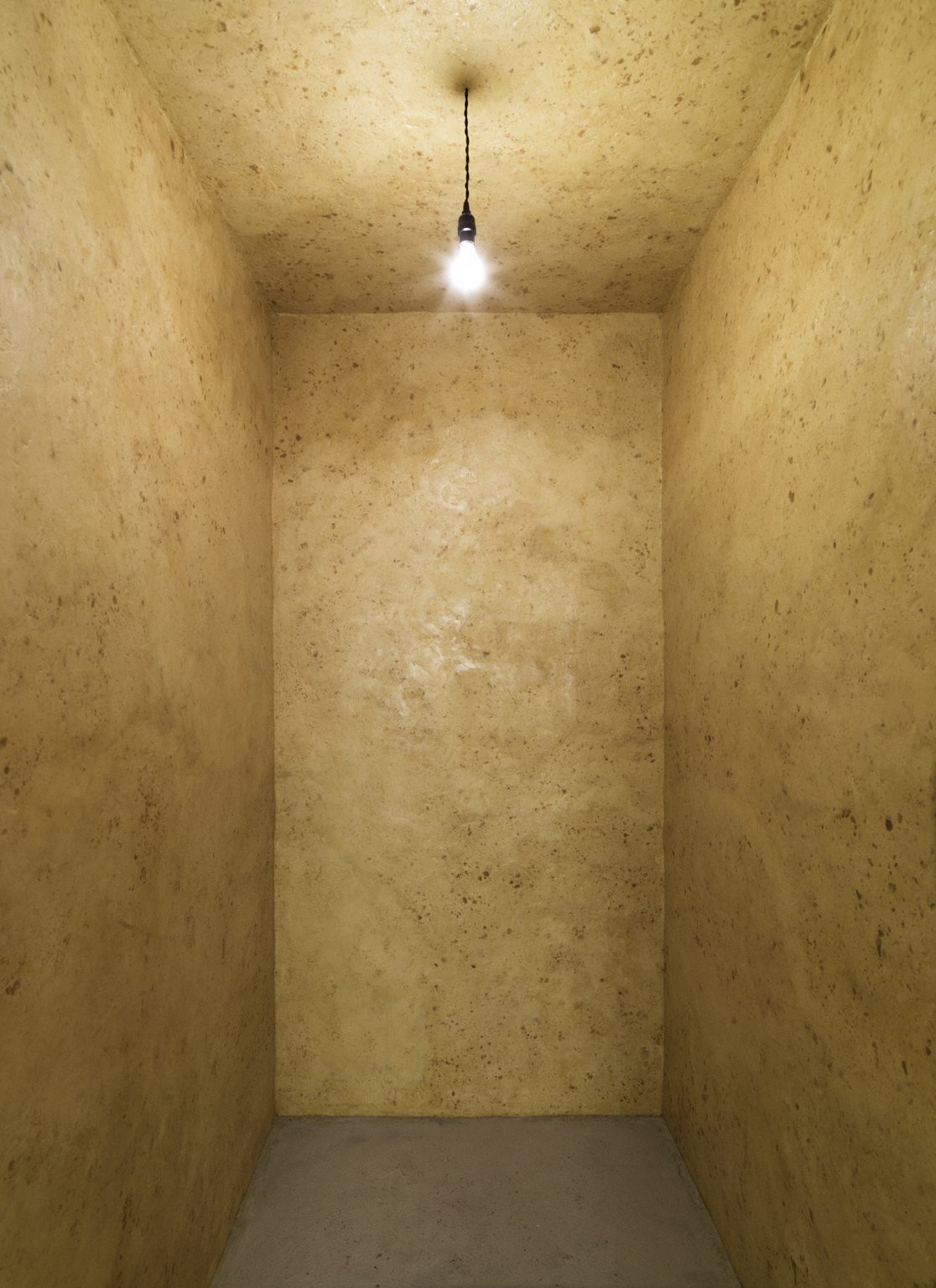
Beside the hall was a small room. An organic compound dispersed in its air made the eyes sting and water. Visitors went in, and after a while, they cried.
Bruguera called this forced empathy. It is a thorny phrase. Empathy is supposed to be voluntary: we hear a story, we understand, we are moved. Here the order is reversed. The body reacts first, with no story at all. The tears are real, even if their cause is chemical.
The room leaves an awkward question. If tears can be produced by something in the air, are the tears we shed over the news of migrants any different? And if we only cry when made to, where does our empathy live?
This is where air and smell become the main material. Bruguera does not paint sorrow. She puts it into the visitor's lungs.
A work beyond the hall
10,148,451 did not stop at the Turbine Hall. Bruguera worked with 21 people who lived or worked in Tate Modern's postcode, a group called Tate Neighbours. For one year they renamed the museum's Boiler House after Natalie Bell, a local community activist. They also wrote a manifesto that appeared on the museum's free wifi sign in page.
So the work had two poles. One is a global number, too large to picture. The other is a group of neighbours, a name, a wifi page. Between them stands the visitor's body: warmth on the floor, tears in the small room.
Bruguera offers no solution. She measures the distance between the number and the person, then makes visitors stand in that distance with their own bodies. Readers curious about how air and smell are used in art can turn to Penta's essay on olfactory art.
Olfactory Art