
Essays · Contemporary Art
Apichatpong Weerasethakul. Primitive.
Ngôi làng quên, nhưng bóng tối vẫn nhớ.
The village forgets. The dark remembers.
Pirelli HangarBicocca · Pirelli HangarBicocca
Một ngôi làng ở Đông Bắc Thái Lan
Nabua là một ngôi làng ở vùng Đông Bắc Thái Lan. Từ thập niên 1960 đến thập niên 1980, quân đội chính phủ chiếm đóng khu vực này để truy quét những người cộng sản nổi dậy. Làng trở thành nơi đàn áp. Người dân chịu bạo lực, và sau đó là im lặng.
Mùa hè năm 2008, Apichatpong Weerasethakul đến Nabua và ở lại vài tháng. Ông không tìm những người già để phỏng vấn. Ông làm việc với lớp trẻ trong làng, con cháu của những người từng bị coi là phần tử chống đối. Họ là thế hệ không còn nhớ trực tiếp, nhưng vẫn sống giữa những gì đã xảy ra.
Cùng nhau, họ quay phim, chơi đùa, và dựng một con tàu vũ trụ. Một vật thể kỳ lạ, đặt giữa một vùng quê, như thể có một lối thoát khỏi nơi này, hoặc một cách để đi giữa các thế giới.
Từ những tháng ấy, dự án Primitive ra đời năm 2009, do Haus der Kunst ở Munich đặt hàng, cùng FACT ở Liverpool và Animate Projects ở London.
Một tác phẩm gồm nhiều phần
Primitive không phải một bộ phim duy nhất. Khi trình bày tại FACT, Liverpool, cuối năm 2009, dự án gồm bốn tác phẩm: Primitive, Primitive (Nabua Song), Primitive (I'm Still Breathing), và A Letter to Uncle Boonmee. Mỗi phần là một góc khác nhau của cùng một ngôi làng.
Có những đoạn gần như phim tài liệu. Có những đoạn được dàn dựng. Có âm nhạc, có im lặng. Người xem đi từ màn hình này sang màn hình khác, và tự nối chúng lại. Không ai dẫn đường.
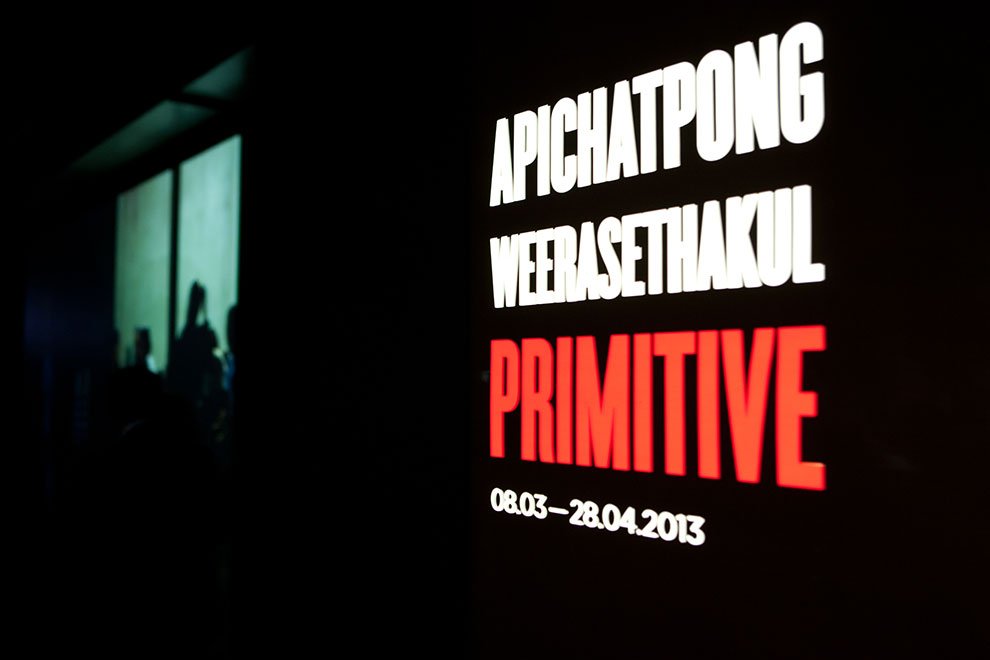
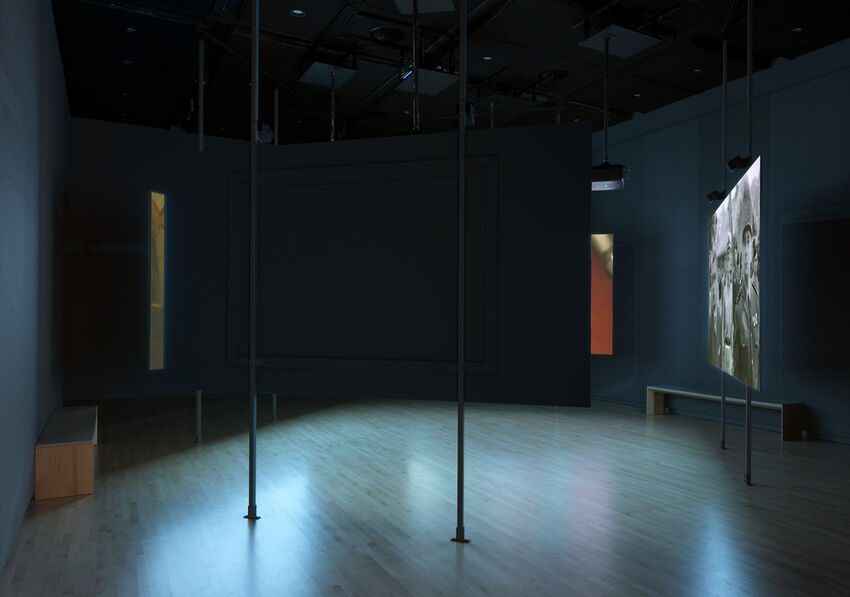
Năm 2013, toàn bộ dự án được trình bày tại Pirelli HangarBicocca ở Milan, do Andrea Lissoni giám tuyển, trong không gian Shed được thiết kế riêng. Căn phòng gần như tối hoàn toàn. Hình ảnh hiện ra trong bóng tối, rồi tắt.
Bóng tối ấy không phải nền. Nó là một phần của tác phẩm. Trong một ngôi làng nơi nhiều thứ không được nói ra, bóng tối là chỗ những điều ấy ở lại.
Bóng ma và thời gian
Apichatpong thường làm phim về hồn ma, về kiếp trước, về những lớp thời gian chồng lên nhau. Với ông, quá khứ không đi đâu cả. Nó vẫn ở trong cảnh vật, trong cơ thể, trong ánh sáng lúc chiều xuống.
Primitive đặt những thiếu niên hôm nay vào giữa những lớp ấy. Họ không đóng vai nạn nhân. Họ chỉ có mặt, làm những việc của tuổi trẻ: chơi, ngủ, nói chuyện, chờ đợi. Và chính sự có mặt bình thường ấy làm quá khứ hiện lên, như một hồn ma đứng cạnh họ mà không ai gọi tên.
A Letter to Uncle Boonmee, một phần của dự án, gắn với bộ phim dài Uncle Boonmee Who Can Recall His Past Lives mà Apichatpong hoàn thành năm 2010. Bộ phim đó đoạt Cành Cọ Vàng tại Cannes. Nhưng nền của nó đã có ở Nabua, trong những tháng làm việc cùng lớp trẻ.
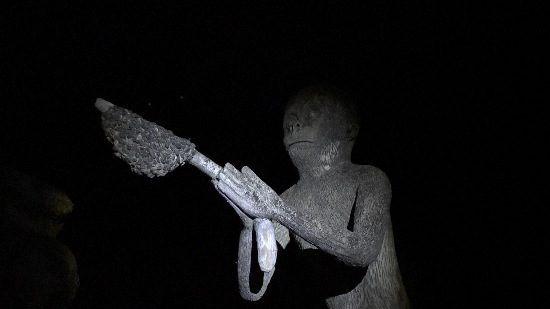
Nabua cũng không phải điểm dừng. Vùng Đông Bắc Thái Lan, quê hương của chính Apichatpong, còn trở lại nhiều lần trong những tác phẩm sau của ông, như Fireworks (Archives), nơi những bức tượng trong đêm được chiếu sáng từng chớp một. Mỗi lần trở lại là một lần nhìn cùng một vùng đất bằng một thứ ánh sáng khác. Ông không tìm một câu trả lời cuối cùng cho nơi chốn ấy. Ông chỉ tiếp tục quay về, và tiếp tục nhìn.
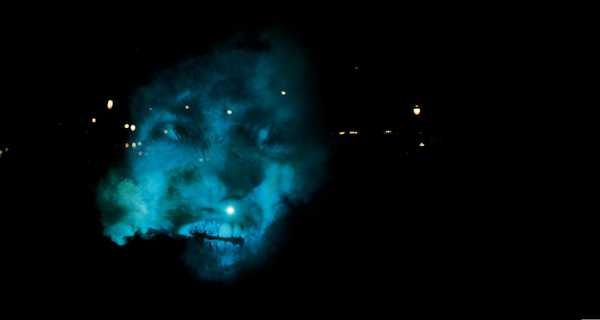
Điều Primitive để lại không phải một bài học lịch sử. Nó là một cảm giác: rằng một nơi chốn có thể nhớ lâu hơn con người. Rằng những gì bị xoá khỏi lời kể vẫn còn trong đất, trong đêm, trong ánh sáng hắt lên một gương mặt trẻ.
A village in Northeast Thailand
Nabua is a village in Northeast Thailand. From the 1960s to the 1980s, government troops occupied the area to hunt down communist insurgents. The village became a site of repression. Its people lived through violence, and afterwards through silence.
In the summer of 2008, Apichatpong Weerasethakul came to Nabua and stayed for several months. He did not look for elders to interview. He worked with the village's young people, descendants of those once branded dissidents. They were a generation without direct memory, yet living among what had happened.
Together they filmed, played, and built a spaceship. A strange object in the middle of the countryside, as if there were a way out of this place, or a way to travel between worlds.
From those months came Primitive in 2009, commissioned by Haus der Kunst in Munich with FACT in Liverpool and Animate Projects in London.
A work in several parts
Primitive is not a single film. When it was shown at FACT, Liverpool, in late 2009, the project comprised four works: Primitive, Primitive (Nabua Song), Primitive (I'm Still Breathing), and A Letter to Uncle Boonmee. Each is a different angle on the same village.
Some passages are close to documentary. Others are staged. There is music, and there is silence. Viewers move from one screen to the next and join them together themselves. No one leads the way.
In 2013 the whole project was presented at Pirelli HangarBicocca in Milan, curated by Andrea Lissoni, in the Shed space designed specially for it. The room was almost completely dark. Images appeared in the darkness, then went out.
That darkness is not a background. It is part of the work. In a village where much goes unsaid, the dark is where those things remain.
Ghosts and time
Apichatpong often makes films about ghosts, past lives, layers of time lying over one another. For him, the past goes nowhere. It stays in the landscape, in the body, in the light as evening falls.
Primitive places today's teenagers among those layers. They do not play victims. They are simply present, doing what the young do: playing, sleeping, talking, waiting. And that ordinary presence is what brings the past forward, like a ghost standing beside them that no one names.
A Letter to Uncle Boonmee, one part of the project, connects to the feature Uncle Boonmee Who Can Recall His Past Lives, which Apichatpong completed in 2010. That film won the Palme d'Or at Cannes. But its ground was already laid in Nabua, in the months spent with the young people there.
Nor was Nabua an end point. Northeast Thailand, Apichatpong's own home region, returns again and again in his later work, as in Fireworks (Archives), where statues are lit in the night one flash at a time. Each return looks at the same land by a different light. He does not seek a final answer to the place. He simply keeps coming back, and keeps looking.
What Primitive leaves is not a history lesson. It is a sense that a place can remember longer than people do. That what is erased from the telling remains in the soil, in the night, in light falling on a young face.
Contemporary Art