
Essays · Olfactory Art
Delcy Morelos. El espacio vientre.
Đất cũng biết che chở.
Earth, too, knows how to shelter.
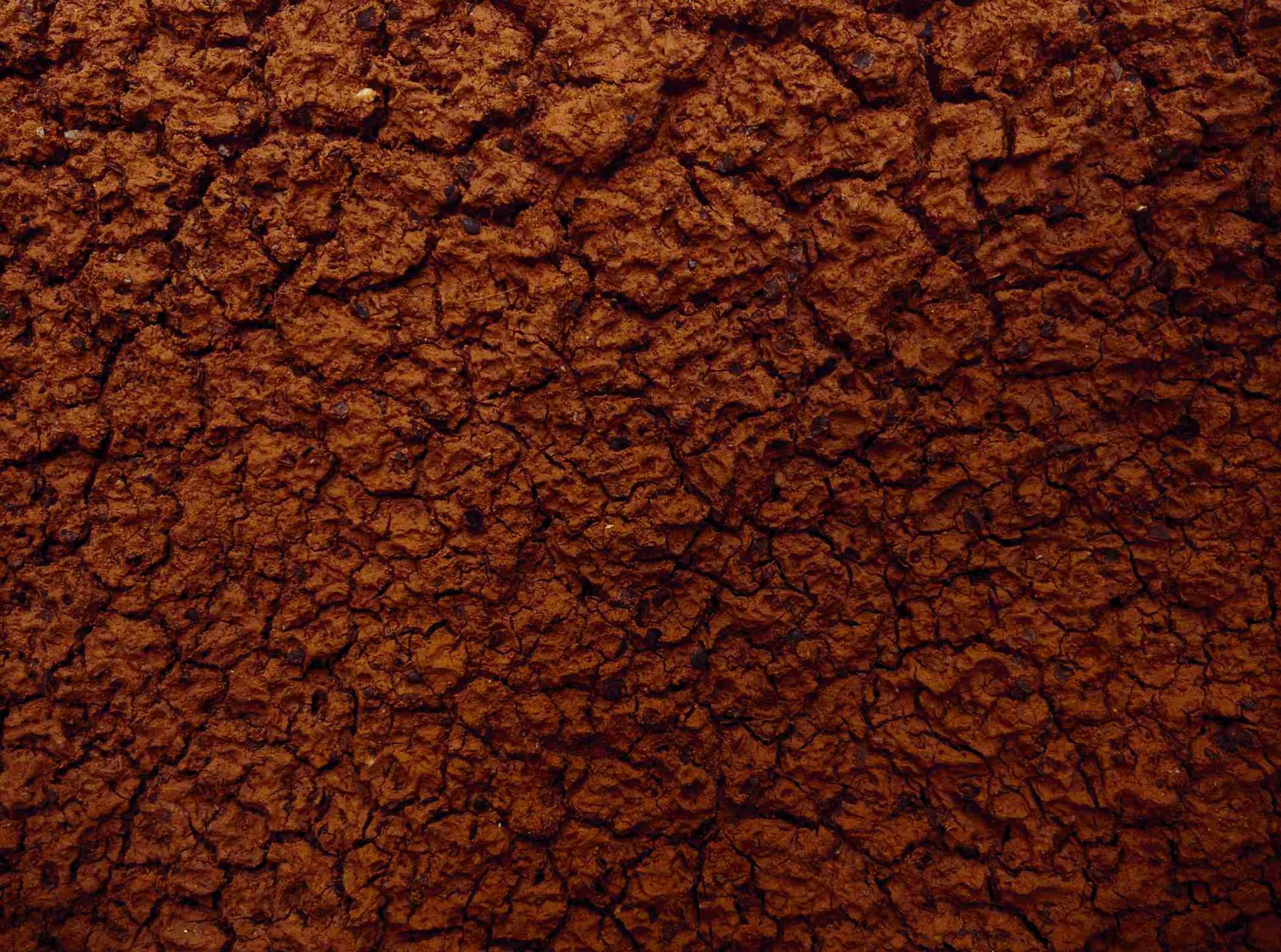
© MUAC, UNAM · MUAC Museo Universitario Arte Contemporáneo (UNAM)
Một phòng bảo tàng làm bằng đất
Từ ngày 18 tháng 10 năm 2025 đến giữa năm 2026, phòng 9 của MUAC, Bảo tàng Nghệ thuật Đương đại của Đại học Quốc gia Tự trị Mexico, được giao trọn cho Delcy Morelos. Giám tuyển là Alejandra Labastida và Daniel Montero.
Tác phẩm tên El espacio vientre, nghĩa là không gian tử cung. Vật liệu chính là đất, lấy từ những cánh đồng trồng ngô. Để chuẩn bị, Morelos đi qua Mexico City, Oaxaca và Chiapas, tìm vật liệu và nghiên cứu những nơi sẽ đặt tác phẩm vào mạch của chúng.
Người xem không đứng trước một vật. Họ đứng trong một không gian mà đất bao quanh. Và điều đến trước tiên là mùi: mùi của đất, của ruộng, của cây ngô.
Từ bức tranh đến khối đất
Morelos sinh năm 1967 ở Tierra Alta, Colombia. MUAC giới thiệu bà là một trong những nghệ sĩ Colombia được biết đến nhiều nhất trên thế giới hiện nay.
Những tác phẩm đầu của bà là tranh. Trong đó bà đưa vào những câu hỏi về đất, về màu da, và về bạo lực ở Colombia. Dần dần, tranh không còn đủ. Bà chuyển sang những can thiệp theo khối, làm riêng cho từng địa điểm, huy động nhiều giác quan cùng lúc.
Đất là sợi chỉ xuyên suốt. Ở giai đoạn vẽ, đất là một màu, một chủ đề. Ở giai đoạn sau, đất là chính vật liệu, với trọng lượng, độ ẩm và mùi của nó. Người xem không còn nhìn đất qua một mặt tranh. Họ ở bên trong nó, và ngửi nó.
Đất như một người mẹ
Tựa đề nói rõ ý tưởng. Đất được nghĩ như một thực thể nữ tính, gắn với sinh sôi và nuôi dưỡng. Căn phòng được nghĩ như một lòng mẹ, một nơi che chở, và cũng là nơi để lắng vào bên trong mình.
Mùi giữ vai trò trung tâm trong ý tưởng ấy. Theo bảo tàng, căn phòng mang mùi của cây ngô, và tác phẩm hướng về những trạng thái bên trong của người xem hơn là một cảnh tượng để nhìn. Ở Mexico, ngô không chỉ là một loại cây. Nó là trụ cột của các nền văn hoá bản địa, của bữa ăn và của nghi lễ.
Việc chọn đất ruộng ngô, chứ không phải đất bất kỳ, có ý nghĩa. Đó là đất đã làm việc. Nó đã được cày, được gieo, được tưới, đã nuôi lớn những cây ngô rồi được để nghỉ. Mùi của nó là mùi của một mối quan hệ lâu dài giữa người và đất, chứ không phải mùi của một vùng hoang.
Mùi đất ruộng ngô vì thế mang theo cả một vòng đời: hạt nằm trong đất, cây mọc lên, người được nuôi, rồi mọi thứ trở về đất. Một lòng mẹ theo nghĩa rộng nhất.
Đối thoại với những vòng tròn cổ
MUAC nằm trong khuôn viên của Đại học Quốc gia Tự trị Mexico, không xa hai công trình mà tác phẩm đối thoại. Một là kim tự tháp Cuicuilco, một công trình tiền Tây Ban Nha có hình tròn. Hai là Espacio Escultórico của UNAM, một công trình điêu khắc hình vòng tròn đường kính 120 mét.
Espacio Escultórico trải theo chiều ngang, mở ra trời. Morelos lật quan hệ ấy thành một sức căng theo chiều đứng, và khép không gian lại thành một nơi che chở. Bà cũng tham chiếu những cấu trúc tròn tiền Tây Ban Nha ở những nơi xa hơn, như Caral ở Peru và Ciudad Perdida ở Colombia.
Vòng tròn, đất, sự khép kín: tất cả dẫn về cùng một hình ảnh. Không phải một đài tưởng niệm để ngước nhìn, mà một khoảng trống để trú vào. Những căn phòng mà người xem bước vào để ngửi không phải chuyện mới, như căn phòng sáp ong của Wolfgang Laib. Nhưng ở MUAC, căn phòng làm bằng thứ nuôi sống cả một nền văn hoá.
A museum room made of earth
From 18 October 2025 until mid 2026, Room 9 of MUAC, the contemporary art museum of the National Autonomous University of Mexico, was given entirely to Delcy Morelos. The curators were Alejandra Labastida and Daniel Montero.
The work is called El espacio vientre, the womb space. Its main material is earth taken from fields where maize is grown. To prepare, Morelos travelled through Mexico City, Oaxaca and Chiapas, gathering material and researching the sites the work would be placed in dialogue with.
Visitors do not stand before an object. They stand inside a space surrounded by earth. And what arrives first is the smell: soil, fields, the maize plant.
From painting to mass of earth
Morelos was born in 1967 in Tierra Alta, Colombia. MUAC describes her as one of the most recognised Colombian artists on the international scene.
Her early works were paintings. In them she raised questions of earth, of skin colour, and of violence in Colombia. Over time painting was not enough. She moved to volumetric interventions made for particular sites, engaging several senses at once.
Earth is the thread that runs through it all. In the painting years, earth was a colour, a subject. Later, earth became the material itself, with its weight, moisture and smell. Visitors no longer see earth through a picture plane. They are inside it, and they smell it.
Earth as a mother
The title states the idea. Earth is thought of as a feminine presence, tied to fertility and nourishment. The room is thought of as a womb, a place of shelter, and also a place to turn inward.
Smell sits at the centre of that idea. According to the museum, the room carries the smell of maize, and the work points toward the inner states of visitors rather than a spectacle to look at. In Mexico, maize is not just a crop. It is a pillar of Indigenous cultures, of meals and of ritual.
Choosing maize field soil, rather than any soil, matters. It is earth that has worked. It has been ploughed, sown, watered, has raised maize plants and then been left to rest. Its smell is the smell of a long relationship between people and ground, not of a wilderness.
The smell of maize field soil therefore carries a whole cycle: seed in the ground, plant rising, people fed, then everything returning to earth. A womb in the widest sense.
In dialogue with old circles
MUAC stands on the campus of the National Autonomous University of Mexico, not far from two structures the work speaks with. One is the Cuicuilco pyramid, a circular pre-Hispanic structure. The other is UNAM's Espacio Escultórico, a circular sculptural site 120 metres across.
The Espacio Escultórico spreads horizontally, open to the sky. Morelos turns that relation into a vertical tension and closes the space into a shelter. She also refers to circular pre-Hispanic structures further away, such as Caral in Peru and Ciudad Perdida in Colombia.
Circle, earth, enclosure: all lead to one image. Not a monument to look up at, but a hollow to take refuge in. Rooms that visitors enter in order to smell are not new, as in Wolfgang Laib's beeswax room. But at MUAC, the room is made of what feeds an entire culture.
Olfactory Art