
Essays · Olfactory Art
Die geheime Macht der Düfte.
Mùi đi cùng con người suốt lịch sử, nhưng hiếm khi được kể.
Scent has followed people through history, but is rarely told.
Kunstpalast, Düsseldorf · Kunstpalast
Năm nghìn mét vuông mùi hương
Từ ngày 29 tháng 10 năm 2025, Kunstpalast ở Düsseldorf mở Die geheime Macht der Düfte, tên tiếng Anh là The Secret Power of Scents. Theo bảo tàng, đây là triển lãm quy mô lớn đầu tiên của họ về lịch sử mùi hương, từ thời cổ đại đến hôm nay.
Triển lãm trải trên năm nghìn mét vuông. Nó không nằm tách riêng mà đi xuyên qua bộ sưu tập của bảo tàng. Người xem đi giữa tranh, tượng, đồ vật, và gặp khoảng ba mươi trạm mùi được phát triển riêng cho triển lãm.
Có trạm toả mùi khi người xem bấm nút. Có trạm làm thơm cả căn phòng một cách lặng lẽ, qua một hệ thống không khí điều khiển bằng cảm biến. Theo bảo tàng, đó là một phần kỹ thuật khó của cả dự án: làm sao để mùi của phòng này không tràn sang phòng kia.
Theo bảo tàng, gần một trăm nghìn người đã đến xem chỉ trong vài tháng đầu. Triển lãm được kéo dài đến ngày 22 tháng 3 năm 2026.
Từ đền thờ đến phòng thí nghiệm
Giám tuyển là Robert Müller-Grünow, một chuyên gia về công nghệ mùi hương, cũng là tác giả một cuốn sách về sức mạnh ngầm của mùi. Ông sắp xếp triển lãm như một hành trình theo thời gian.
Hành trình bắt đầu từ việc dùng chất thơm trong nghi lễ tôn giáo và đời sống tâm linh thời cổ. Rồi đến văn hoá mùi trong các triều đình Baroque ở châu Âu, khi mùi là một phần của quyền lực và phô trương. Rồi thế kỷ 18, với những thành phố đã sinh ra Eau de Cologne, thứ nước thơm gắn tên với chính thành phố Köln, không xa Düsseldorf.
Tiếp theo là thời công nghiệp, khi mùi tổng hợp ra đời và đi vào không chỉ nước hoa mà cả xà phòng, đồ gia dụng. Thế kỷ 20 mang đến các nhà mốt, và Chanel N°5 là một trong những cái tên được nhắc. Cuối cùng là khoa học hôm nay: nghiên cứu về cách mùi tác động đến sự tỉnh táo, sự thư giãn, sức hút giữa người với người, và những hướng ứng dụng mới trong y học, tiếp thị, thực tế ảo.
Một trong những thứ triển lãm giới thiệu là Iso E Super, một phân tử tổng hợp có mùi gỗ. Triển lãm gọi nó là mùi của giấc mơ, và giới thiệu nó như một phân tử khiến người dùng có vẻ cuốn hút hơn. Đó là một cách nói về sức mạnh bí mật của mùi: một chất không màu, gần như không nhận ra, vẫn có thể thay đổi cách người khác nhìn ta.
Khi mùi bước vào bảo tàng nghệ thuật
Bảo tàng nghệ thuật thường là nơi giữ mùi ở ngoài cửa. Không khí được lọc, nhiệt độ được kiểm soát, để tranh không hỏng. Việc Kunstpalast đưa ba mươi trạm mùi vào giữa bộ sưu tập là một thay đổi đáng kể trong cách một bảo tàng lớn nghĩ về không gian của mình.
Nó cũng đặt lại câu hỏi về cách ta nhìn tranh. Một bức tranh Baroque sẽ được nhìn khác đi khi người xem vừa ngửi mùi của một triều đình Baroque. Mùi không giải thích bức tranh, nhưng nó kéo người xem lại gần hơn với thời của bức tranh.
Những năm gần đây, nghệ thuật khứu giác xuất hiện ngày càng nhiều trong các bảo tàng châu Âu. Ở Basel, Belle Haleine từng đặt mùi vào trung tâm của một triển lãm nghệ thuật. Kunstpalast đi theo một hướng khác. Nó không chỉ hỏi về nghệ thuật dùng mùi, mà kể lại cả lịch sử văn hoá của mùi, với nghệ thuật làm khung.
Kết quả là một triển lãm vừa là bảo tàng lịch sử, vừa là phòng thí nghiệm. Người xem đi qua hàng nghìn năm, và mỗi phòng để lại một mùi riêng. Khi ra về, điều còn lại có lẽ không phải là hình ảnh nào, mà là một vài mùi, không rõ tên, vẫn đi theo trên áo.
Five thousand square metres of scent
On 29 October 2025 the Kunstpalast in Düsseldorf opened Die geheime Macht der Düfte, in English The Secret Power of Scents. According to the museum, it is its first large scale exhibition on the history of scent, from antiquity to the present.
The show covers five thousand square metres. It does not stand apart but runs through the museum's collection. Visitors walk among paintings, sculptures and objects and meet around thirty scent stations developed for the exhibition.
Some release a scent at the press of a button. Others quietly perfume a whole room through an air system controlled by sensors. The museum describes this as one of the technically demanding parts of the project: keeping the smell of one room from spilling into the next.
According to the museum, nearly a hundred thousand people came in the first months, and the show was extended to 22 March 2026.
From temple to laboratory
The curator is Robert Müller-Grünow, a specialist in scent technology and author of a book on the hidden power of smell. He arranged the exhibition as a journey through time.
It begins with aromatics in the religious ceremonies and spiritual life of the ancient world. Then the scent culture of Europe's Baroque courts, when smell was part of power and display. Then the eighteenth century and the cities that gave rise to Eau de Cologne, the scented water named after Köln, not far from Düsseldorf.
Next comes the industrial age, when synthetic scents arrived and entered not only perfume but soap and household goods. The twentieth century brings the fashion houses, with Chanel N°5 among the names. Finally, today's science: research on how smell affects alertness, relaxation and attraction, and new uses in medicine, marketing and virtual reality.
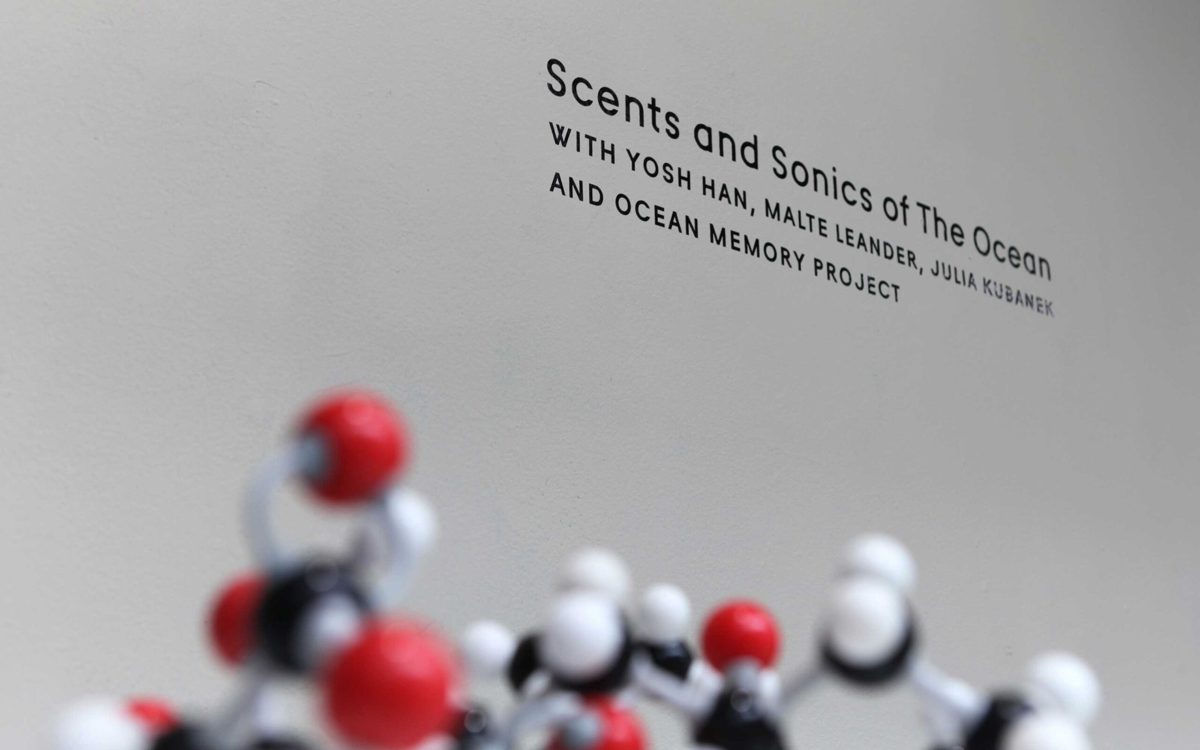
One thing the show presents is Iso E Super, a synthetic molecule with a woody smell. The exhibition calls it the scent of dreams and presents it as a molecule that makes its wearers seem more attractive. It is one way of speaking about the secret power of scent: a colourless, barely noticeable substance that can still change how others see us.
When scent enters an art museum
Art museums usually keep smell outside the door. Air is filtered and temperature controlled so the paintings are not harmed. Bringing thirty scent stations into the collection is a real change in how a large museum thinks about its space.
It also changes how we look. A Baroque painting reads differently when the viewer has just smelled a Baroque court. The smell does not explain the picture, but it draws the viewer closer to the picture's time.
In recent years olfactory art has appeared more and more in European museums. In Basel, Belle Haleine once placed smell at the centre of an art exhibition. The Kunstpalast took another route. It asks not only about art made with scent but tells the cultural history of scent itself, with art as the frame.
The result is both a history museum and a laboratory. Visitors pass through thousands of years, and each room leaves its own smell. On the way out, what stays may not be any image, but a few smells without names, still clinging to a sleeve.
Olfactory Art