
Essays · Olfactory Art
Oswaldo Maciá. New Cartographies of Smell Migration | Santa Fe.
Mùi đi xa hơn người mang nó.
A smell travels farther than whoever carries it.
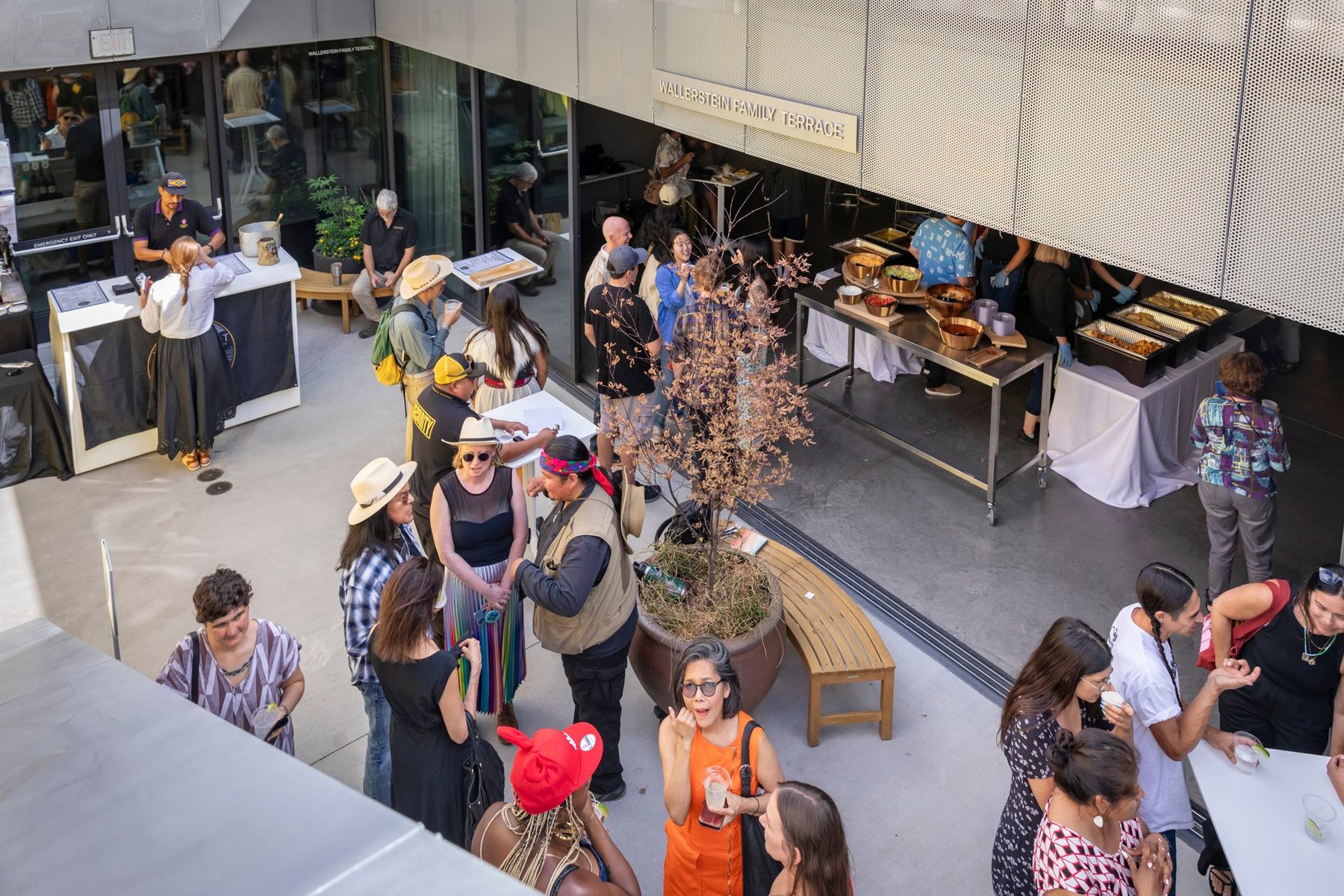
SITE Santa Fe · SITE Santa Fe
Sáu tấm bản đồ và hai máy khuếch tán
Từ ngày 2 tháng 10 đến ngày 1 tháng 11 năm 2021, SITE Santa Fe ở New Mexico trưng bày New Cartographies of Smell Migration của Oswaldo Maciá, nghệ sĩ người Colombia. Phiên bản này mang thêm tên thành phố: Santa Fe.
Căn phòng có sáu tấm bản đồ khổ lớn về Trái Đất, vẽ tay. Trên đó là những ghi chú viết tay về lịch sử văn hoá của mùi và vai trò sinh học của nó. Giữa những tấm bản đồ, hai máy khuếch tán thả mùi nhựa cây vào không khí. Một hệ thống âm thanh mười sáu kênh phát tiếng gió và tiếng côn trùng.
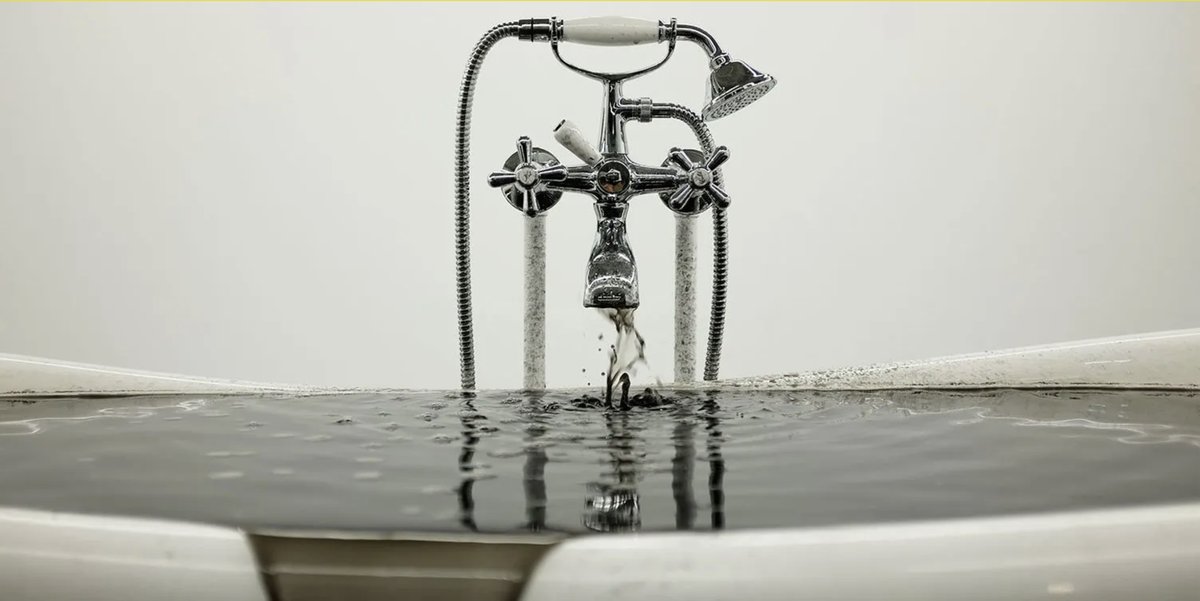
Maciá gọi những gì mình làm là điêu khắc khứu giác và âm thanh. Người đọc Penta có thể đã gặp ông qua Under the Horizon, nơi một bồn tắm chảy chất lỏng đen dưới mùi của rễ cây. Ở Santa Fe, ông không đi xuống lòng đất nữa. Ông nhìn ra ngang, theo chiều rộng của hành tinh.
Hai loại nhựa có từ trước khi có bản đồ
Mùi trong phòng đến từ hai loại nhựa cây. Một là nhựa balsam Peru, từ cây Myroxylon balsamum pereirae, lấy ở El Salvador. Hai là nhựa styrax, từ cây Liquidambar styraciflua, lấy trong rừng nhiệt đới Honduras.
Những loại nhựa này đã có mặt trong đời sống các dân tộc bản địa châu Mỹ từ rất lâu trước khi có người châu Âu. Chúng được dùng trong nghi lễ, trong tôn giáo, trong thuốc men. Từ thế kỷ 16, chúng được đưa lên tàu và xuất khẩu đi khắp thế giới. Một thứ nhựa chảy ra từ vết cắt trên thân cây ở Trung Mỹ có thể kết thúc trong một nhà thờ ở châu Âu hay một hiệu thuốc ở châu Á.
Maciá chọn chúng vì câu chuyện ấy. Chúng là mùi của thời trước thuộc địa, và cũng là mùi của chính quá trình thuộc địa hoá: của buôn bán, của những con tàu, của việc một vật rời quê hương và được đặt tên lại ở nơi khác.
Về mặt kỹ thuật, ông làm việc với Ricardo Moya, nhà điều chế mùi cấp cao của hãng hương liệu IFF. Moya cũng là người từng cùng ông làm mùi cho Under the Horizon.
Gió sa mạc, côn trùng rừng Chocó
Âm thanh trong phòng là một bản ghép. Tiếng gió được thu ở nhiều sa mạc trên thế giới. Tiếng côn trùng được thu ở vùng rừng mưa Chocó, Colombia, một trong những nơi ẩm nhất trên Trái Đất.
Hai thứ tiếng ấy có chung một điểm: chúng mang mùi đi. Gió đẩy phấn hoa, bụi, hạt, mùi khói qua hàng nghìn cây số. Côn trùng tìm hoa, tìm bạn, tìm mồi bằng mùi, và trên đường đi chúng mang theo những gì bám vào cơ thể. Theo mô tả của tác phẩm, Maciá muốn mở rộng cách ta nhìn các mối liên kết toàn cầu qua mùi, những mối liên kết được tạo ra bởi buôn bán, bởi gió và bởi côn trùng.
Người đứng trong phòng nghe gió của một nơi, ngửi nhựa của một nơi khác, nhìn bản đồ của cả thế giới. Ba giác quan không chỉ về cùng một chỗ. Chúng kéo người xem đi ba hướng, và chính sự lệch nhau ấy làm cho căn phòng rộng ra.
Bản đồ không có biên giới
Một tấm bản đồ bình thường là công cụ của quyền lực. Nó vẽ đường biên, đặt tên, chia đất. Nó nói nơi này thuộc về ai.
Bản đồ của Maciá ghi một thứ khác. Nó ghi những gì di chuyển. Mùi không dừng ở biên giới. Gió không mang giấy tờ. Côn trùng không biết mình đang ở nước nào. Ngay cả hàng hoá, thứ được kiểm soát chặt nhất, cũng mang theo mùi của nơi nó ra đi.
Theo SITE Santa Fe, ông muốn đặt ra câu hỏi hơn là đưa ra lời giải, và dùng những giác quan ngoài thị giác để tránh các biểu tượng quá dễ nhận ra. Ở đây, câu hỏi khá rõ: nếu vẽ thế giới theo đường đi của mùi, thì thế giới trông ra sao? Có lẽ nó sẽ ít đường kẻ hơn, và nhiều mũi tên hơn.
Six maps and two diffusers
From 2 October to 1 November 2021, SITE Santa Fe in New Mexico showed New Cartographies of Smell Migration by the Colombian artist Oswaldo Maciá. This version carries the city's name: Santa Fe.
The room held six large hand-painted maps of the Earth, annotated with notes on the cultural history of smell and its biological role. Between them, two diffusers released the smell of tree resin. A sixteen-channel sound system played wind and insects.
Maciá calls what he makes olfactory and acoustic sculpture. Penta readers may have met him through Under the Horizon, where a bathtub runs with black liquid beneath the smell of a root. In Santa Fe he no longer goes underground. He looks sideways, across the width of the planet.
Two resins older than the map
The smell in the room came from two resins. One is Peru balsam, from Myroxylon balsamum pereirae, sourced in El Salvador. The other is styrax, from Liquidambar styraciflua, sourced in the rainforest of Honduras.
These resins were part of Indigenous life in the Americas long before Europeans arrived. They were used in ritual, in religion, in remedies. From the sixteenth century they were loaded onto ships and exported across the world. A resin that seeped from a cut in a Central American tree might end up in a European church or an Asian apothecary.
Maciá chose them for that story. They are smells from before colonisation, and smells of colonisation itself: of trade, of ships, of an object leaving home and being renamed elsewhere.
On the technical side he worked with Ricardo Moya, senior perfumer at the scent and flavour house IFF, who had also made the scent for Under the Horizon with him.
Desert wind, Chocó insects
The sound is a collage. Wind recorded in deserts around the world. Insects recorded in the Chocó rainforest of Colombia, one of the wettest places on Earth.
The two share something: both carry smell. Wind pushes pollen, dust, seeds and smoke across thousands of kilometres. Insects find flowers, mates and food by smell, and carry whatever clings to them along the way. The work, as described, sets out to widen our sense of global connection through smell, connections made by trade, wind and insects.
Standing in the room, you hear the wind of one place, smell the resin of another, and look at maps of the whole world. The three senses do not point to the same spot. They pull the visitor three ways, and that mismatch is what makes the room feel larger.
A map with no borders
An ordinary map is a tool of power. It draws lines, gives names, divides land. It says who owns what.
Maciá's maps record something else. They record what moves. Smell does not stop at borders. Wind carries no papers. Insects do not know which country they are in. Even goods, the most tightly controlled of all, carry the smell of the place they left.
According to SITE Santa Fe, he prefers raising questions to offering solutions, and uses senses beyond sight to avoid symbols that are too easy to read. Here the question is fairly plain: if we drew the world by the paths of smell, what would it look like? Probably fewer lines, and more arrows.
Olfactory Art