
Essays · Olfactory Art
Rhea Dillon. NEGR-OID.
Một mùi không chịu làm khuôn mẫu.
A scent that refuses to be a stereotype.
© Rhea Dillon · Rhea Dillon (official site)
Một câu nói trên truyền hình
Năm 2015, nữ diễn viên Zendaya đến lễ trao giải Oscar với mái tóc tết giả kiểu dreadlocks. Trong chương trình Fashion Police của kênh E!, người dẫn Giuliana Rancic bình luận rằng trông cô như thể có mùi dầu hoắc hương và cần sa.
Câu nói ngắn, nói ra như một lời đùa. Nhưng nó làm một việc rất cũ. Nó không ngửi ai cả. Nó nhìn một kiểu tóc, rồi từ kiểu tóc suy ra một mùi, rồi từ mùi suy ra một lối sống. Mái tóc gắn với người da đen, và mùi được gán theo đó.
Bảy năm sau, Rhea Dillon trả lời câu nói ấy bằng một tác phẩm. Không phải bằng một bài viết hay một cuộc phỏng vấn, mà bằng chính chất liệu đã bị dùng để xúc phạm: một mùi.
Kim loại, thủy tinh và một mùi
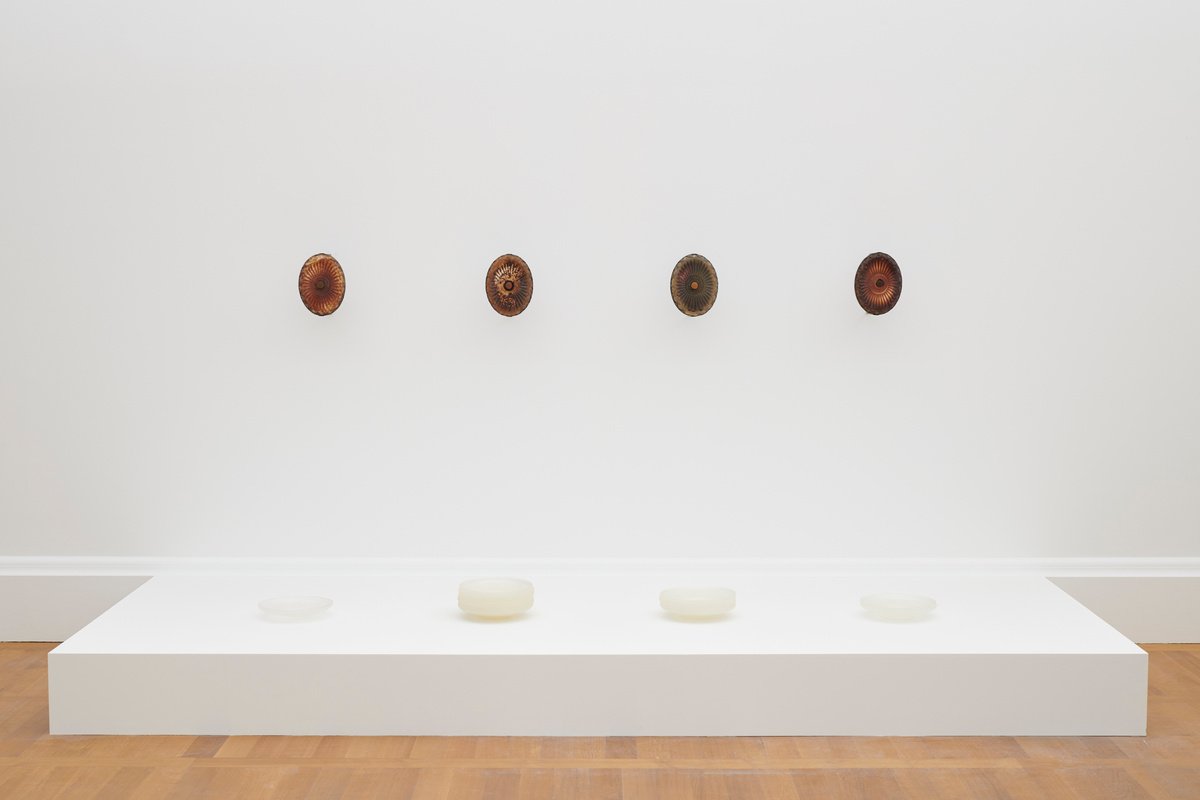
NEGR-OID được làm năm 2022. Trang của nghệ sĩ ghi rất gọn: mùi hương, kim loại và thủy tinh, cao 31 cm, rộng và sâu 15,5 cm. Không có đoạn giải thích nào đi kèm. Vật đứng đó với kích thước của một vật để cầm, để đặt trên bệ, để cúi xuống gần.
Tác phẩm được trưng bày lần đầu trong triển lãm The Sombre Majesty (or, on being the pronounced dead) tại Soft Opening, một gallery ở London, cùng năm 2022. Dillon tự làm phần mùi. Năm 2023, Institute for Art and Olfaction đưa NEGR-OID vào danh sách chung kết giải Sadakichi, hạng mục dành cho những tác phẩm thử nghiệm với mùi, và ghi tên Dillon ở cả hai vai: nghệ sĩ và người làm nước hoa.
Dillon sinh năm 1996 ở London và sống ở đó. Cô làm video, hội hoạ, điêu khắc, viết, trình diễn và làm việc với mùi. Những chủ đề cô quay lại nhiều lần là cơ thể phụ nữ da đen, vùng Caribe, di sản thuộc địa và bất công môi trường. Mùi, với cô, là một trong nhiều ngôn ngữ, không phải một lĩnh vực riêng.
Tựa đề cũng là một phần của vật. NEGR là gốc của những từ người châu Âu từng dùng để phân loại người da đen. Hậu tố oid, trong tiếng Anh, có nghĩa là giống như, gần giống, na ná. Ghép lại, tựa đề nói về một thứ chỉ giống, chưa bao giờ là.
Một mùi không giống thứ gì
Điều quan trọng nhất về mùi của NEGR-OID là điều nó cố ý không làm. Khi được hỏi, Dillon giải thích rằng mùi này không giống một thứ cụ thể nào, vì phụ nữ da đen không có chung một mùi.
Câu trả lời ấy đơn giản, và chính xác theo cách của khứu giác. Mỗi cơ thể có mùi riêng, đổi theo thức ăn, thời tiết, quần áo, nơi ở, tuổi tác, một ngày làm việc. Không có mùi của một chủng tộc. Chỉ có mùi của từng người, ở từng lúc.
Vì vậy NEGR-OID không đưa ra một bức chân dung bằng mùi. Nó đưa ra một khoảng trống có mùi. Người ngửi quen gọi tên: cái này là gỗ, cái kia là hoa, cái này gợi nhớ ai đó. Trước tác phẩm này, thói quen đó bị chặn lại. Mùi có đó, nhưng nó không nhận một nhãn nào.
Đọc theo tựa đề, mùi này là một sự giống không trọn vẹn. Nó nhắc rằng mọi khuôn mẫu cũng chỉ là thứ na ná như thế. Một định kiến tự cho là nó biết người khác có mùi gì. Tác phẩm cho thấy nó không thể biết.
Vì sao mùi hay bị dùng để phân loại
Lịch sử có nhiều ví dụ về việc gán mùi cho một nhóm người để hạ thấp họ: người lao động, người nhập cư, người da màu. Mùi dễ bị dùng như vậy vì nó khó kiểm. Không ai chụp được một mùi để phản bác. Một câu nói về mùi trôi qua rồi ở lại trong trí nhớ người nghe, lâu hơn cả hình ảnh.
Dillon đưa cuộc tranh luận về đúng chỗ của nó. Cô không để mùi ở lại trong lời nói. Cô cho nó một thân thể bằng kim loại và thủy tinh, đặt nó trong phòng triển lãm, và mời người ta ngửi thật. Khi mùi được ngửi thật, lời gán ghép trở nên lộ rõ là lời gán ghép.
Đó cũng là lý do tác phẩm nhỏ này đáng nhớ. Nó không lớn tiếng. Nó chỉ đặt một câu hỏi trước mũi người xem và để họ tự trả lời, một mình.
A remark on television
In 2015 the actress Zendaya arrived at the Academy Awards wearing faux dreadlocks. On the E! programme Fashion Police, the host Giuliana Rancic remarked that she looked as if she smelled of patchouli oil and weed.
The line was short and delivered as a joke. But it did something very old. It smelled no one. It looked at a hairstyle, inferred a smell from the hair, and inferred a way of life from the smell. The hairstyle was tied to Black people, and the smell was assigned accordingly.
Seven years later Rhea Dillon answered that remark with a work. Not with an essay or an interview, but with the very material that had been used as an insult: a smell.
Metal, glass and a scent
NEGR-OID dates from 2022. The artist's own page lists it plainly: scent, metal and glass, 31 cm high, 15.5 cm wide and deep. No explanatory text. The object has the size of something to hold, to set on a plinth, to lean close to.
It was first shown in The Sombre Majesty (or, on being the pronounced dead) at Soft Opening, a London gallery, in the same year. Dillon composed the scent herself. In 2023 the Institute for Art and Olfaction named NEGR-OID a finalist for the Sadakichi Award for experimental work with scent, crediting Dillon both as artist and as perfumer.
Dillon was born in London in 1996 and lives there. She works across video, painting, sculpture, writing, performance and smell. The subjects she returns to include Black women's bodies, the Caribbean, colonial legacies and environmental injustice. Smell is one of her languages, not a separate field.
The title is part of the object. NEGR is the root of words Europeans once used to classify Black people. The suffix oid means resembling, like, almost. Together the title names something that only resembles, and never is.
A smell like nothing in particular
What matters most about the scent is what it deliberately does not do. Asked about it, Dillon explained that it smells of no one thing in particular, because Black women do not all smell of one thing.
That answer is simple, and accurate in the way smell is accurate. Every body has its own smell, shifting with food, weather, clothes, home, age, a day's work. There is no smell of a race. There is only the smell of each person, at each moment.
So NEGR-OID does not offer a portrait in scent. It offers a scented gap. We are used to naming what we smell: this is wood, that is a flower, this reminds me of someone. Here the habit is blocked. The smell is present, but it accepts no label.
Read with its title, the scent is an incomplete resemblance. It suggests that every stereotype is only an approximation of the same kind. A prejudice assumes it knows what others smell like. The work shows it cannot.
Why smell is so often used to sort people
History is full of smells assigned to groups in order to lower them: labourers, migrants, people of colour. Smell lends itself to this because it is hard to check. No one can photograph a smell to disprove a claim. A remark about smell passes and stays in the listener's memory longer than an image.
Dillon moves the argument to where it belongs. She does not leave the smell inside words. She gives it a body of metal and glass, sets it in a gallery and invites people to actually smell it. Once the smell is really smelled, the insult shows itself as projection.
That is why this small work stays with you. It does not raise its voice. It places a question under the visitor's nose and lets them answer it alone.


Olfactory Art