
Essays · Olfactory Art
Elodie Pong. Paradise Paradoxe.
Smells have no names. We give them names.
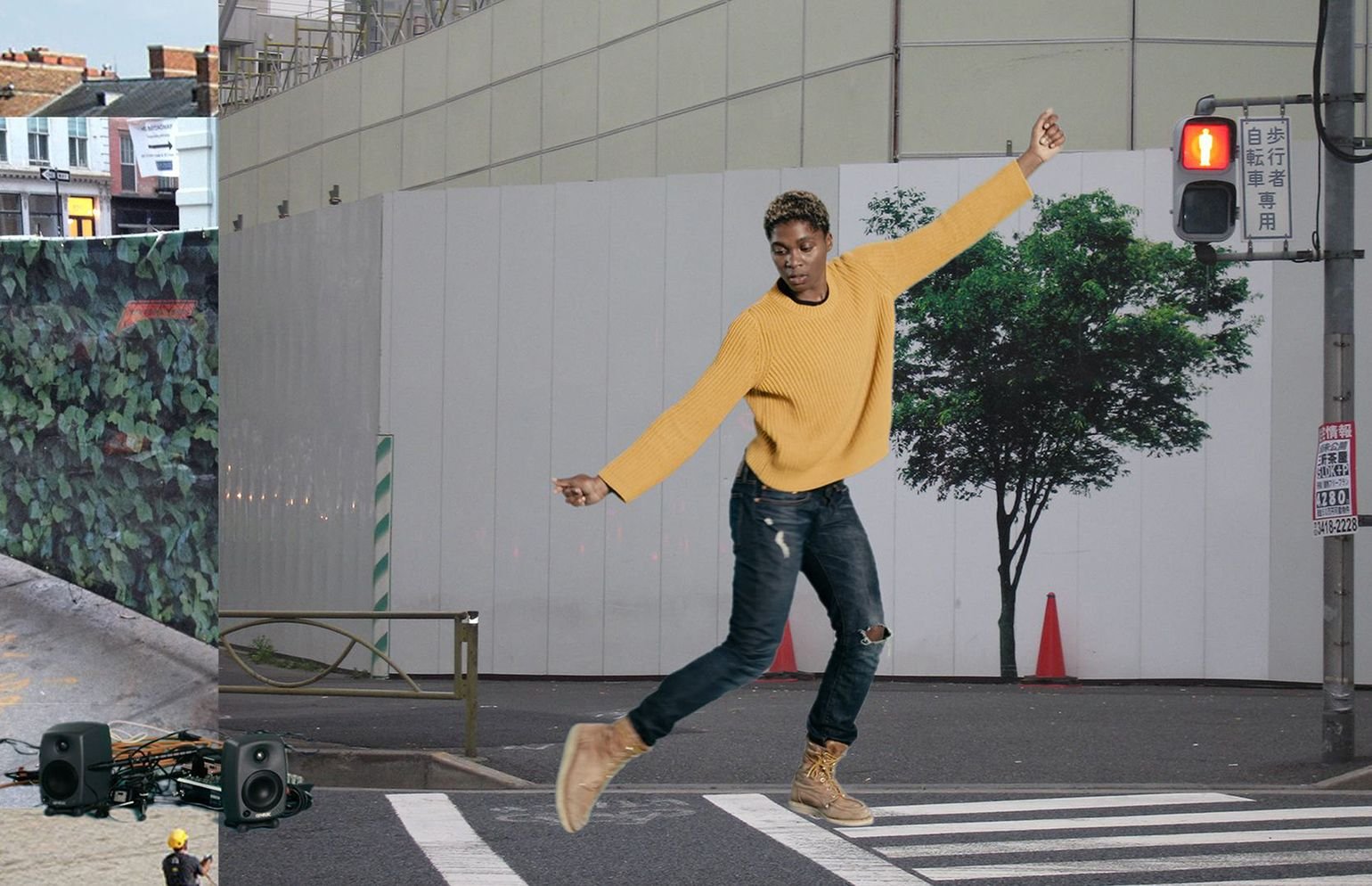
Courtesy of the artist · Wallpaper*
Two names side by side
Elodie Pong is a Swiss video and installation artist. Before making art she trained in sociology and anthropology. Both fields show in how she works: she rarely asks whether something is beautiful; she asks what conventions people build around it.
In 2016, from 11 March to 16 May, Helmhaus Zürich, a municipal art space on the Limmat river, hosted her solo exhibition. The title came from an accident. While she was preparing the show, two commercial perfume names, Paradise and Paradoxe, appeared next to each other on her computer screen. Pong kept the pair.
The accident says a lot. Paradise and paradox. Two opposite promises, held in bottles that look almost the same, sold at the same counter. The perfume industry lives on names like these.
Pong does not mock those names. She treats them as material. A perfume name tells you what the seller thinks the buyer wants: to be taken somewhere, to become someone. Gather hundreds of names and you have a map of human wishes, drawn in words, attached to something that has none.
A room of invisible things
Pong calls her subject olfactory architecture: the invisible layer of smell that surrounds people everywhere, at home, in the street, on other people's skin. We live inside it and rarely notice. The exhibition tries to make that architecture appear.
There were plants made with a 3D printer. They had the shape of plants but not their smell, a reminder that what we see and what we smell can come apart. There was a robot carrying a mobile projector, moving around and casting perfume names onto the walls, one over another. There were videos placing theories of smell next to dancing bodies, the body as a source of odour, moving and giving off.
The programme also included concerts, talks, music workshops and a theremin performance, an instrument played without being touched. The detail suits the whole room: something that acts on us without contact.
For Pong, smells create wordless ties between people, objects and places, and we cannot refuse to smell. Eyes can close. The nose is always open.
White, a scent that never existed
At the centre of the show was a new scent. Pong invited Roman Kaiser, a scent scientist and one of the pioneers of capturing the smell given off by living flowers and plants, without picking or distilling them. Kaiser spent years recording the smells of plants in rainforests, places where ordinary methods of taking a scent do not work.
The scent they made for Paradise Paradoxe was called White. It combines a transparent note of tree, an idea of jasmine flowers, and a touch of salt water. The word idea matters. It is not jasmine; it is a reminder of jasmine.
Pong wanted to point at a paradox in the perfume industry: smell cannot really be put into words, yet the industry uses language to fence it in, naming, classifying, promising. At Helmhaus the names flew across the walls while the actual smell stood still in the middle of the room, needing no explanation. Where smell and words meet is also the question Peter de Cupere's alphabet of smells asks in another way.
The exhibition left behind a book of the same name, published by Edition Patrick Frey. But White does not fit in a book. It existed only in that room, for those two months, and then faded like every other smell.
Olfactory Art