
Essays · Olfactory Art
Brian Goeltzenleuchter. Scents of Exile.
Quê nhà có thể nằm trên đôi tay.
Home can rest on a pair of hands.
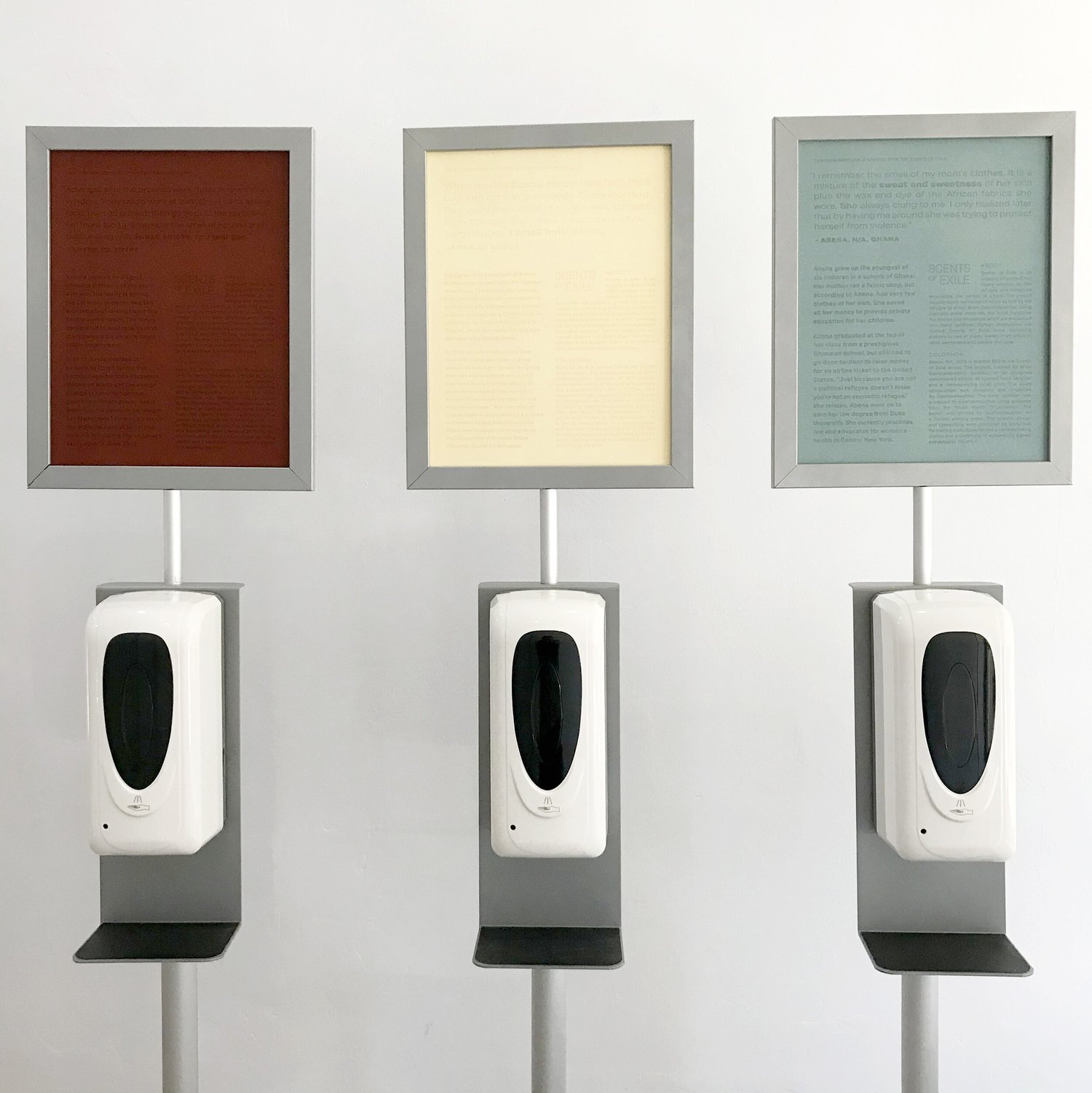
Keyro, 22, 2019, Azira, 52, 2019, and Abena N/A 2020 from the series Scents of Exile · Olfactory Art Keller
Một câu hỏi về mùi quê nhà
Từ năm 2019, Brian Goeltzenleuchter hỏi những người tị nạn và người nhập cư một câu đơn giản: quê nhà của bạn có mùi gì?
Câu trả lời không bao giờ đơn giản. Có người nhớ một món ăn. Có người nhớ một con phố. Có người nhớ những thứ họ không muốn nhớ. Goeltzenleuchter lắng nghe, ghi lại, rồi làm việc của một người điều hương: ông dựng lại những mùi ấy bằng nguyên liệu dùng cho mỹ phẩm. Mỗi mùi là một bản dịch, từ lời nói sang vật chất, từ trí nhớ của một người sang chiếc mũi của người khác.
Rồi ông pha mùi vào nước rửa tay khô. Mỗi câu chuyện thành một trạm: một bình nước rửa tay gắn tường và một tấm bảng in tóm tắt câu chuyện của người được phỏng vấn. Tên mỗi trạm là tên riêng và tuổi của họ. Dự án chưa kết thúc. Nó vẫn tiếp tục thêm người, thêm mùi.
Tám trạm ở New York
Từ 3 tháng 6 đến 17 tháng 7 năm 2021, Olfactory Art Keller ở Manhattan trưng bày tám trạm của Scents of Exile. Cùng lúc đó, các trạm khác được đặt trong những bảo tàng ở Bremen, Đức, thuộc một chương trình khảo sát nghệ thuật khứu giác lớn tên Smell it!
Mỗi trạm mang một tên người. Keyro, 22, làm năm 2019, gợi mùi mồ hôi, khói và hơi cay của những cuộc biểu tình ở Ai Cập. Azira, 52, cũng năm 2019, gợi mùi sữa đun sôi. Abena, năm 2020, không ghi tuổi.
Hai mùi đầu nằm ở hai đầu xa nhau. Một bên là đường phố hỗn loạn, cay mắt. Một bên là một chiếc nồi nhỏ trên bếp. Nhưng cả hai đều là quê nhà. Goeltzenleuchter không chọn giữ lại mùi đẹp và bỏ đi mùi khó chịu. Ông giữ lại điều người kể nhớ.
Rửa tay như một cử chỉ
Năm 2021, bình nước rửa tay có mặt ở khắp nơi. Ở cửa hàng, ở văn phòng, ở lối vào bảo tàng. Người ta dùng nó mà không nghĩ, nhiều lần mỗi ngày. Goeltzenleuchter chọn đúng vật quen thuộc nhất của thời điểm đó.
Khi người xem bơm nước vào lòng bàn tay và xoa, mùi bám lên da. Họ mang nó ra khỏi phòng, lên tàu điện, về nhà. Trong vài giờ, đôi tay của một người ở New York mang mùi sữa đun của một người mà họ chưa từng gặp. Nguồn triển lãm gọi đây là một hành vi trình diễn: người xem trở thành một phần của tác phẩm.
Dự án dựa vào điều người ta hay gọi là hiệu ứng Proust, khi một mùi bất chợt gọi dậy một ký ức sống động, gắn với một nơi chốn. Nhưng ở đây hiệu ứng ấy chạy theo chiều ngược lại. Người ngửi không có ký ức nào về Ai Cập hay căn bếp kia. Mùi đến trước, ký ức là của người khác. Người xem mượn nó trong một buổi chiều.
Chứng nhân bằng mùi
Câu chuyện di cư thường được kể bằng con số và hình ảnh. Bao nhiêu người, qua biên giới nào, sống ở trại nào. Goeltzenleuchter không làm vậy. Ông kể từng người một, bằng giác quan riêng tư nhất.
Một mùi không chứng minh được gì theo kiểu một văn bản. Nhưng nó làm được điều văn bản không làm được: nó đi vào thân thể người nghe. Một câu chuyện đọc xong có thể quên. Một mùi trên tay thì còn đó, ít nhất cho tới lần rửa tay tiếp theo.
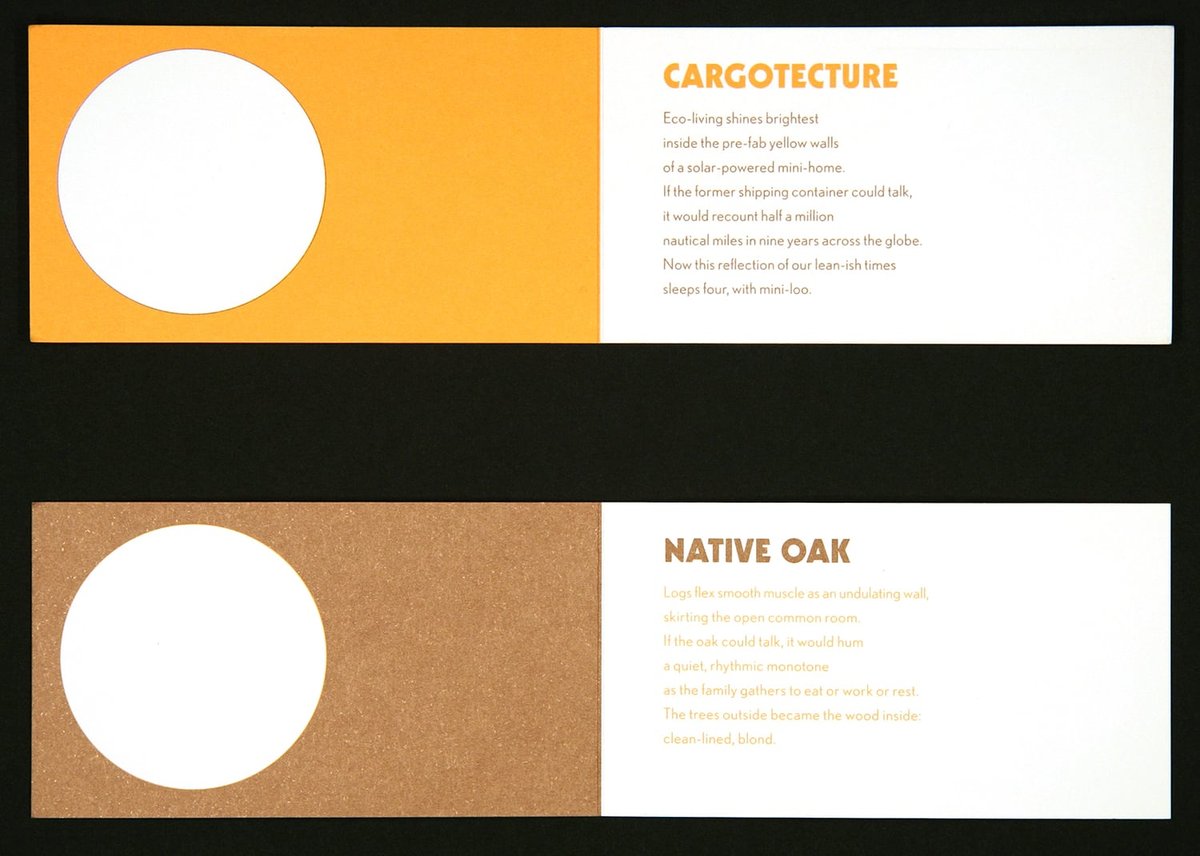
Goeltzenleuchter từng làm việc với mùi và nơi chốn ở những dự án khác, như Smelling the City, nơi mùi gỗ và mùi thép kể về hai kiểu nhà. Scents of Exile đi xa hơn một bước. Nó không hỏi về nhà ở đây. Nó hỏi về căn nhà đã mất, và về việc ai sẽ giữ giùm mùi của nó.
A question about the smell of home
Since 2019, Brian Goeltzenleuchter has been asking refugees and other immigrants a simple question: what does home smell like?
The answers are never simple. Some remember a dish. Some remember a street. Some remember things they would rather not. Goeltzenleuchter listens, takes notes, and then does a perfumer's work: he rebuilds those smells with cosmetic grade materials. Each smell is a translation, from speech into matter, from one person's memory to another person's nose.
Then he mixes the smells into hand sanitiser. Each story becomes a station: a wall mounted dispenser and a printed panel summarising the interviewee's account. Each station is named with the person's first name and age. The project is not finished. It keeps adding people, and smells.
Eight stations in New York
From 3 June to 17 July 2021, Olfactory Art Keller in Manhattan showed eight stations from Scents of Exile. At the same time, other stations stood in museums in Bremen, Germany, as part of a large survey of olfactory art called Smell it!
Each station carries a name. Keyro, 22, from 2019, evokes the sweat, smoke and tear gas of protests in Egypt. Azira, 52, also from 2019, evokes boiled milk. Abena, from 2020, gives no age.
The first two smells sit at opposite ends. One is a chaotic street that stings the eyes. The other is a small pot on a stove. Both are home. Goeltzenleuchter does not keep the pleasant smells and drop the hard ones. He keeps what the teller remembers.
Hand washing as a gesture
In 2021, sanitiser dispensers were everywhere. In shops, in offices, at museum entrances. People used them without thinking, many times a day. Goeltzenleuchter chose the most familiar object of that moment.
When visitors pump the liquid into a palm and rub, the smell settles on the skin. They carry it out of the room, onto the subway, home. For a few hours, the hands of someone in New York carry the boiled milk of a person they have never met. The exhibition text calls this a performative act: the visitor becomes part of the work.
The project draws on what is often called the Proust effect, when a smell suddenly calls up a vivid memory tied to a place. But here the effect runs backwards. The smeller has no memory of Egypt or of that kitchen. The smell comes first; the memory belongs to someone else. The visitor borrows it for an afternoon.
Bearing witness by smell
Stories of migration are usually told in numbers and images. How many people, across which border, living in which camp. Goeltzenleuchter does not do that. He tells one person at a time, through the most private sense.
A smell proves nothing the way a document does. But it can do what a document cannot: it enters the body of the listener. A story, once read, can be forgotten. A smell on the hands stays, at least until the next wash.
Goeltzenleuchter has worked with smell and place in other projects, such as Smelling the City, where the smells of wood and steel speak of two kinds of house. Scents of Exile goes one step further. It does not ask about the home we have. It asks about the home that was lost, and who will keep its smell.
Olfactory Art