
Essays · Olfactory Art
Turba Tol Hol-Hol Tol.
Một milimét than bùn mỗi năm. Một đầm lầy là một cuốn sổ rất chậm.
One millimetre of peat a year. A bog is a very slow notebook.
Tám người trong bóng tối
Năm 2022, tại Venice Biennale lần thứ 59, Chile không mang tới một bức tranh hay một bức tượng. Họ mang tới một đầm lầy. Tên nhà trưng bày là Turba Tol Hol-Hol Tol. Turba trong tiếng Tây Ban Nha là than bùn. Phần còn lại là tiếng Selk'nam, ngôn ngữ của người bản địa vùng Tierra del Fuego, và theo nhóm thực hiện, cụm Hol-Hol Tol nói rằng trái tim của một người được làm từ than bùn.
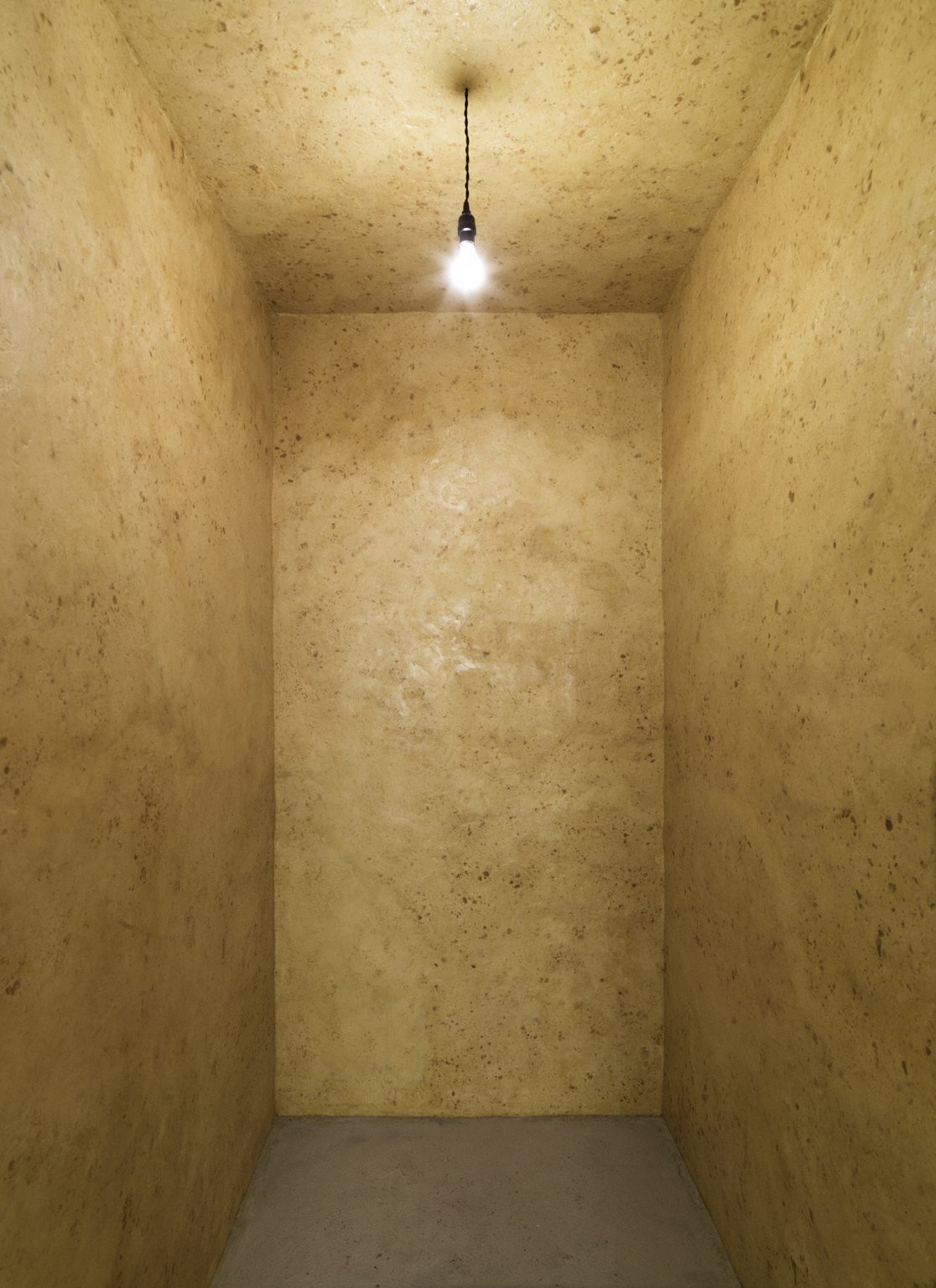
Mỗi lượt chỉ tám người được vào, trong mười lăm phút. Căn phòng tối. Dưới chân là một lớp thảm rêu sphagnum dày. Quanh mình, nước nhỏ giọt, đều và chậm. Dọc tường, những thùng nhựa đỏ xếp chồng lên nhau, như kho chứa của một trạm nghiên cứu.
Thứ đến đầu tiên là mùi. Rêu ướt có một mùi xanh và ẩm, vừa như cây đang sống, vừa như lá đang mục. Mắt còn chưa quen bóng tối thì mũi đã biết mình đang ở một nơi khác.
Phía trên, trên một bục cao, căng một tấm màn mờ đục. Phim được chiếu lên đó: những cảnh đầm than bùn ở cực nam châu Mỹ, rộng, thấp, đầy nước. Âm thanh bao quanh người xem, trộn nhạc với tiếng tự nhiên, tiếng thì thầm, tiếng thở.
Một tập thể, không phải một nghệ sĩ
Turba Tol Hol-Hol Tol là dự án của Ensayos, một tập thể nghiên cứu do giám tuyển Camila Marambio khởi xướng. Marambio là giám tuyển độc lập người Mỹ gốc Chile. Ensayos làm việc lâu năm ở Karukinka, vùng Tierra del Fuego, nơi có những đầm than bùn rộng lớn.
Nhóm thực hiện nhà trưng bày gồm nhiều nghề khác nhau. Nghệ sĩ âm thanh Ariel Bustamante. Nhà sử học nghệ thuật Carla Macchiavello. Nhà làm phim Dominga Sotomayor. Kiến trúc sư Alfredo Thiermann. Nhà sinh thái học Bárbara Saavedra. Và nhà văn người Selk'nam Hema'ny Molina.
Sự có mặt của Molina quan trọng. Người Selk'nam từng bị coi là đã biến mất sau những cuộc tàn sát và xua đuổi ở Tierra del Fuego vào cuối thế kỷ 19 và đầu thế kỷ 20. Việc đặt tên nhà trưng bày bằng tiếng Selk'nam là một cách nói rằng ngôn ngữ ấy vẫn còn, và vùng đất ấy có người coi nó là trái tim.
Tấm màn chiếu cũng có câu chuyện riêng. Nó được làm từ tảo, collagen và axit axetic, một thứ màng sinh học thay cho vải hay nhựa. Người viết cho The Brooklyn Rail thấy bề mặt ấy lúc đầu làm mình phân tâm, nhưng hiểu rằng nó thuộc về cùng một cam kết: dùng vật liệu ít hại nhất. Nhóm còn tính lượng khí thải của cả dự án và làm việc với dịch vụ tái chế.
Than bùn giữ gì
Đầm than bùn chỉ phủ một phần nhỏ bề mặt Trái Đất, nhưng là kho carbon lớn nhất trên đất liền. Chúng giữ nhiều carbon hơn cả rừng. Khi đầm bị tháo nước để lấy đất hay khai thác than bùn, lượng carbon ấy thoát ra thành khí nhà kính.
Vì than bùn lớn lên khoảng một milimét mỗi năm, một mét than bùn là khoảng một nghìn năm. Trong đó còn phấn hoa, hạt, xác côn trùng, những dấu vết của khí hậu và đời sống đã qua. Các nhà khoa học đọc than bùn như đọc một kho lưu trữ.
Nhà trưng bày không trình bày những con số ấy bằng biểu đồ. Nó đặt người xem vào điều kiện của đầm lầy: tối, ẩm, mềm dưới chân, có tiếng nước. Hiểu biết đến qua cơ thể trước, qua chữ sau.
Có một chi tiết nhỏ mà bài phê bình chỉ ra. Rêu sphagnum trải trong phòng không đến từ Tierra del Fuego mà từ một trang trại nông nghiệp ở Đức. Không ai mang đầm lầy thật từ đầu kia thế giới về Venice. Thứ được mang về là cảm giác của nó, và mùi của nó.
Một bài học về sự chậm
Venice Biennale là nơi của những tác phẩm lớn, sáng, ồn. Turba Tol Hol-Hol Tol đi ngược lại. Ít người một lúc. Ít ánh sáng. Nhiều thời gian đứng yên.
Tám người trong mười lăm phút, trên thảm rêu, nghe nước nhỏ. Đó là một nhịp gần với nhịp của đầm lầy hơn là nhịp của hội chợ nghệ thuật. Người xem không đi qua tác phẩm. Họ ở lại trong nó một lúc.
Những người tìm tới vùng đất ngập nước bằng mùi không chỉ có nhóm Ensayos. Hai năm sau, ở New York, Gala Porras-Kim đưa đất sét đầm lầy Yucatán vào một căn phòng nóng ẩm trong The motion of an alluvial record. Hai tác phẩm đều cho thấy đầm lầy không phải nơi trống rỗng. Nó đang giữ rất nhiều thứ, và giữ bằng cách chậm.
Eight people in the dark
In 2022, at the 59th Venice Biennale, Chile brought neither a painting nor a sculpture. It brought a bog. The pavilion was called Turba Tol Hol-Hol Tol. Turba is Spanish for peat. The rest is Selk'nam, the language of the Indigenous people of Tierra del Fuego; according to the team, Hol-Hol Tol says that one's heart is made of peat.
Only eight people entered at a time, for fifteen minutes. The room was dark. Underfoot lay a thick carpet of sphagnum moss. Water dripped all around, slow and steady. Along the walls, red plastic crates were stacked, like the storeroom of a research station.
The first thing to arrive was smell. Wet moss has a green, damp smell, at once living plant and rotting leaf. Before the eyes adjusted to the dark, the nose already knew it was somewhere else.
Above, on a raised platform, hung a translucent screen. A film was projected onto it: peatlands at the southern tip of the Americas, wide, low, full of water. Sound surrounded the visitor, mixing music with natural sounds, whispers and breath.
A collective, not an artist
Turba Tol Hol-Hol Tol was a project of Ensayos, a research collective started by the curator Camila Marambio, an independent Chilean American curator. Ensayos has worked for years in Karukinka, in Tierra del Fuego, a land of vast peat bogs.
The pavilion team spanned many fields: sound artist Ariel Bustamante, art historian Carla Macchiavello, filmmaker Dominga Sotomayor, architect Alfredo Thiermann, ecologist Bárbara Saavedra, and the Selk'nam writer Hema'ny Molina.
Molina's presence matters. The Selk'nam were long described as extinct after the killings and displacement in Tierra del Fuego in the late nineteenth and early twentieth centuries. Naming the pavilion in Selk'nam says the language is still here, and that someone holds that land as a heart.
The screen had its own story. It was made from algae, collagen and acetic acid, a biological membrane in place of fabric or plastic. The Brooklyn Rail reviewer found its texture distracting at first, but read it as part of the same commitment to low impact materials. The team also calculated the project's carbon footprint and worked with recycling services.
What peat keeps
Peatlands cover a small share of the planet's surface, yet they are the largest carbon store on land, holding more than forests. Drained for farmland or dug for fuel, they release that carbon as greenhouse gas.
Because peat grows about a millimetre a year, a metre of it is roughly a thousand years. Inside are pollen, seeds, insects, traces of past climates and lives. Scientists read peat as an archive.
The pavilion did not show these facts as charts. It placed the visitor inside a bog's conditions: dark, damp, soft underfoot, the sound of water. Understanding came through the body first, words later.
The review points out one small detail. The sphagnum moss did not come from Tierra del Fuego but from an agricultural farm in Germany. No one carried a real bog across the world to Venice. What arrived was its feeling, and its smell.
A lesson in slowness
The Biennale is a place of big, bright, loud works. This pavilion went the other way. Few people at once. Little light. A lot of standing still.
Eight people for fifteen minutes, on moss, listening to water. It is closer to the pace of a bog than to the pace of an art fair. Visitors did not pass through the work. They stayed in it for a while.
Ensayos were not alone in reaching wetlands through smell. Two years later in New York, Gala Porras-Kim brought Yucatán swamp clay into a hot, humid room in The motion of an alluvial record. Both works show that a wetland is not empty. It is holding a great deal, and it holds by being slow.

Olfactory Art