
Essays · Olfactory Art
Frédéric Malle. Nhà xuất bản của người điều hương.
Một mùi cũng có tác giả.
A smell has an author too.
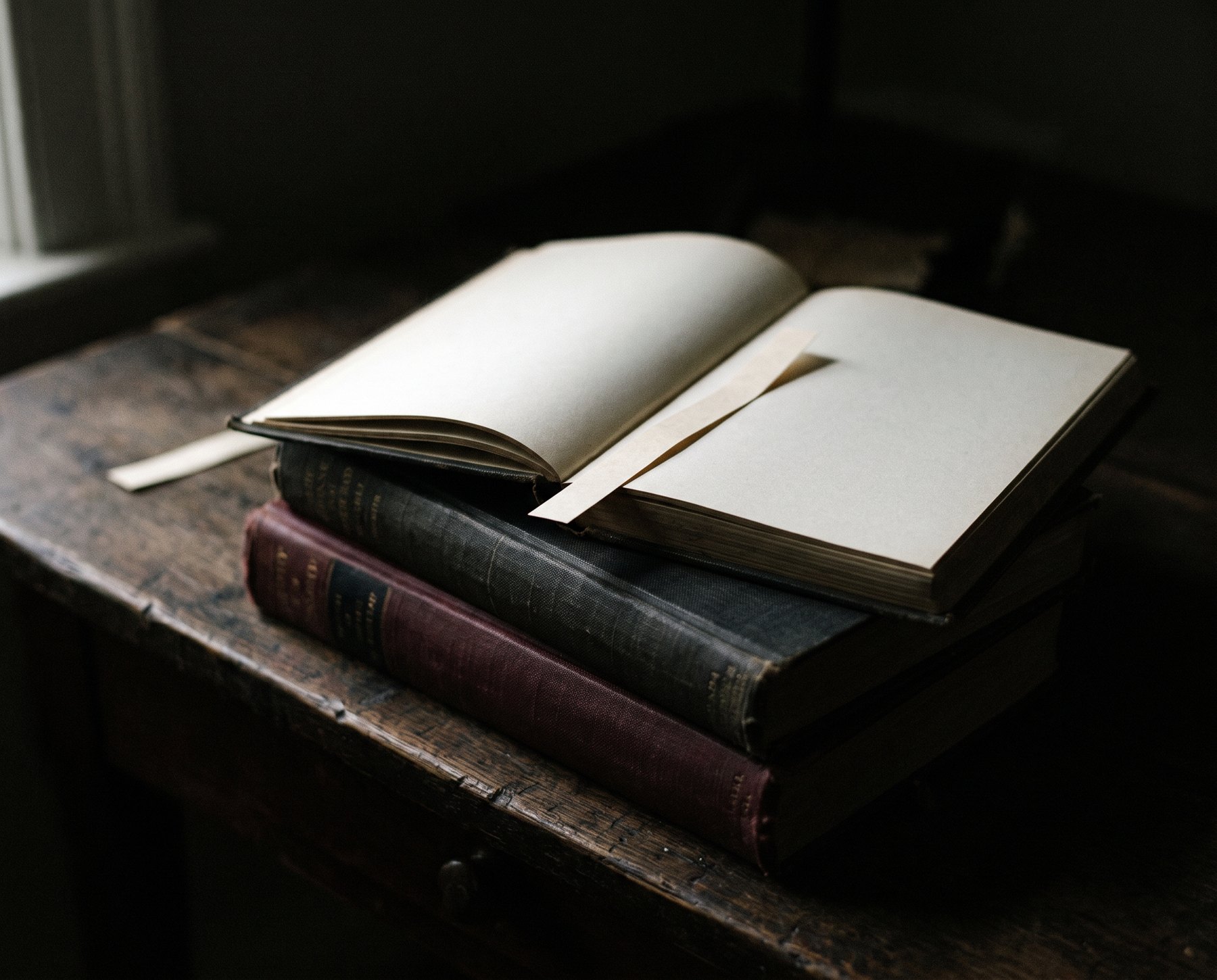
Năm 2000: một nhà nước hoa theo mô hình nhà sách
Frédéric Malle mở Editions de Parfums vào năm 2000. Ý tưởng được mô tả khá gọn: những người điều hương giỏi nhất làm ra những mùi riêng, và các mùi ấy được bán dưới tên của chính họ.
Vào thời điểm đó, đây là một điều lạ. Phần lớn nước hoa được bán bằng tên nhãn hiệu: một nhà thời trang, một ngôi sao, một dòng sản phẩm. Người điều hương làm việc cho các công ty sản xuất nguyên liệu, nhận đề bài, nộp mẫu, và tên họ hiếm khi đi xa hơn phòng thí nghiệm. Người mua biết chai của ai, nhưng không biết mùi của ai.
Malle đảo ngược thứ tự. Tên nhà vẫn ở trên chai, nhưng tên người điều hương đứng cạnh, rõ ràng như tên tác giả dưới tựa sách. Nhà xuất bản chọn bản thảo, lo in ấn, lo phát hành. Tác giả là người viết.
Theo trang của tập đoàn sở hữu nhà hiện nay, đã có khoảng mười lăm người điều hương làm mùi cho bộ sưu tập, và thời gian làm một mùi thường kéo dài từ sáu đến mười tám tháng.
Những tác giả
Danh sách những người đã in mùi của mình ở Editions de Parfums đọc như mục lục của một thế hệ. Olivia Giacobetti làm En Passant, một trong những mùi đầu tiên năm 2000. Maurice Roucel làm Musc Ravageur. Dominique Ropion làm nhiều mùi cho nhà; khi ông in cuốn sách về nghề của mình năm 2017, Malle là người viết lời tựa.
Chi tiết về lời tựa cho thấy mối quan hệ này đi xa hơn một hợp đồng. Người biên tập và tác giả đọc nhau, viết cho nhau, bảo vệ công việc của nhau.
Chuyện Musc Ravageur còn rõ hơn. Theo lời Roucel kể lại trong một buổi nói chuyện được tạp chí Nez ghi lại, ông viết mùi ấy ban đầu để đáp một đề bài cho một nhà khác. Đề bài ấy về tay một người điều hương khác. Mùi của ông không mất đi; nó tìm được một nhà xuất bản, và ra đời dưới tên ông.
Trong nghề sách, đó là chuyện thường. Trong nghề nước hoa, nó hiếm, vì một mùi bị từ chối thường không có nơi nào để đi.
Loại bỏ những gì chỉ để trang trí
Một câu thường được gắn với Malle là lời nhắc bỏ đi mọi thứ thừa, mọi thứ chỉ để trang trí. Nhìn vào cách nhà trình bày mùi, có thể thấy câu ấy được làm theo khá sát.
Chai đơn giản. Nhãn chủ yếu là chữ. Không có gương mặt người mẫu. Thứ duy nhất được làm nổi bật là tên mùi và tên người viết nó. Toàn bộ sự chú ý được kéo về một chỗ: bản thân nước hoa.
Đây là một lập trường thẩm mỹ, nhưng cũng là một lập trường đạo đức nhỏ. Nó nói rằng vật tự nó đủ để được nhìn, và người làm ra vật đáng được biết tên. Không cần kể chuyện thêm. Không cần hình ảnh thay thế.
Ai làm ra một mùi?
Mô hình của Malle đặt ra một câu hỏi mà nghề nước hoa ít khi hỏi thẳng: ai là tác giả của một mùi? Người viết công thức? Người chọn và duyệt? Công ty cung cấp nguyên liệu? Người đặt tên?
Câu trả lời của Editions de Parfums khá giống nghề sách. Tác giả là người viết. Nhà xuất bản là người chọn, sửa, và đứng ra chịu trách nhiệm trước người đọc. Hai vai trò khác nhau, cần nhau, và cả hai đều hiện diện trên bìa.
Câu hỏi ấy cũng được đặt ra ở những nơi khác. Triển lãm Nez à nez ở Lausanne năm 2019 chọn mười ba người điều hương đương đại và giới thiệu họ như những tác giả, không phải những nhãn hiệu. Cùng một ý: một mùi không tự nhiên mà có. Nó có người ngồi làm, sửa, bỏ, làm lại, trong nhiều tháng.
Biết tên người làm không làm mùi thơm hơn. Nhưng nó làm mùi trở thành một vật có lịch sử.
2000: a perfume house on the model of a publisher
Frédéric Malle opened Editions de Parfums in 2000. The idea is stated simply: the best perfumers compose their own scents, and those scents are sold under their own names.
At the time this was unusual. Most perfume was sold under a brand: a fashion house, a star, a product line. Perfumers worked for materials companies, took briefs, submitted trials, and their names rarely travelled beyond the lab. Buyers knew whose bottle it was, not whose smell.
Malle reversed the order. The house's name stays on the bottle, but the perfumer's name stands beside it, as clear as an author's name under a book title. The publisher chooses the manuscript, sees to printing and distribution. The author is the one who writes.
According to the page of the group that now owns the house, some fifteen perfumers have composed for the collection, and a scent usually takes between six and eighteen months to develop.
The authors
The list of people who have published scents with Editions de Parfums reads like the table of contents of a generation. Olivia Giacobetti made En Passant, one of the first scents in 2000. Maurice Roucel made Musc Ravageur. Dominique Ropion made several for the house; when he published his book on the craft in 2017, Malle wrote the preface.
The detail of the preface shows the relationship goes beyond a contract. Editor and author read each other, write for each other, stand up for each other's work.
The Musc Ravageur story is clearer still. As Roucel told it at a talk recorded by Nez magazine, he first wrote the scent in answer to a brief for another house. That brief went to a different perfumer. His scent did not disappear; it found a publisher, and came out under his name.
In the book trade this is ordinary. In perfume it is rare, because a rejected scent usually has nowhere to go.
Removing what is only decoration
A line often attached to Malle is a reminder to strip away everything superfluous, everything merely decorative. Looking at how the house presents its scents, one sees the line followed closely.
The bottle is plain. The label is mostly type. No model's face. The only things brought forward are the name of the scent and the name of the person who wrote it. All attention is pulled to one point: the perfume itself.
It is an aesthetic position, but also a small ethical one. It says the object is enough to be looked at, and its maker deserves to be known by name. No extra story needed. No image standing in.
Who makes a smell?
Malle's model raises a question the perfume trade seldom asks outright: who is the author of a smell? The one who writes the formula? The one who chooses and approves? The company supplying the materials? The one who names it?
Editions de Parfums answers much as publishing does. The author is the writer. The publisher chooses, edits, and answers to the reader. Two different roles, each needing the other, both present on the cover.
The question is asked elsewhere too. The exhibition Nez à nez in Lausanne in 2019 chose thirteen contemporary perfumers and presented them as authors, not brands. The same idea: a smell does not simply occur. Someone sits and makes it, revises, discards, starts again, over many months.
Knowing the maker's name does not make a smell better. But it makes the smell an object with a history.
Olfactory Art