
Essays · Olfactory Art
John Waters. Polyester in Odorama.
Mười con số, mười mùi của một ngôi nhà.
Ten numbers, ten smells of a house.
The Criterion Collection · The Criterion Collection
Một tấm thẻ, mười con số
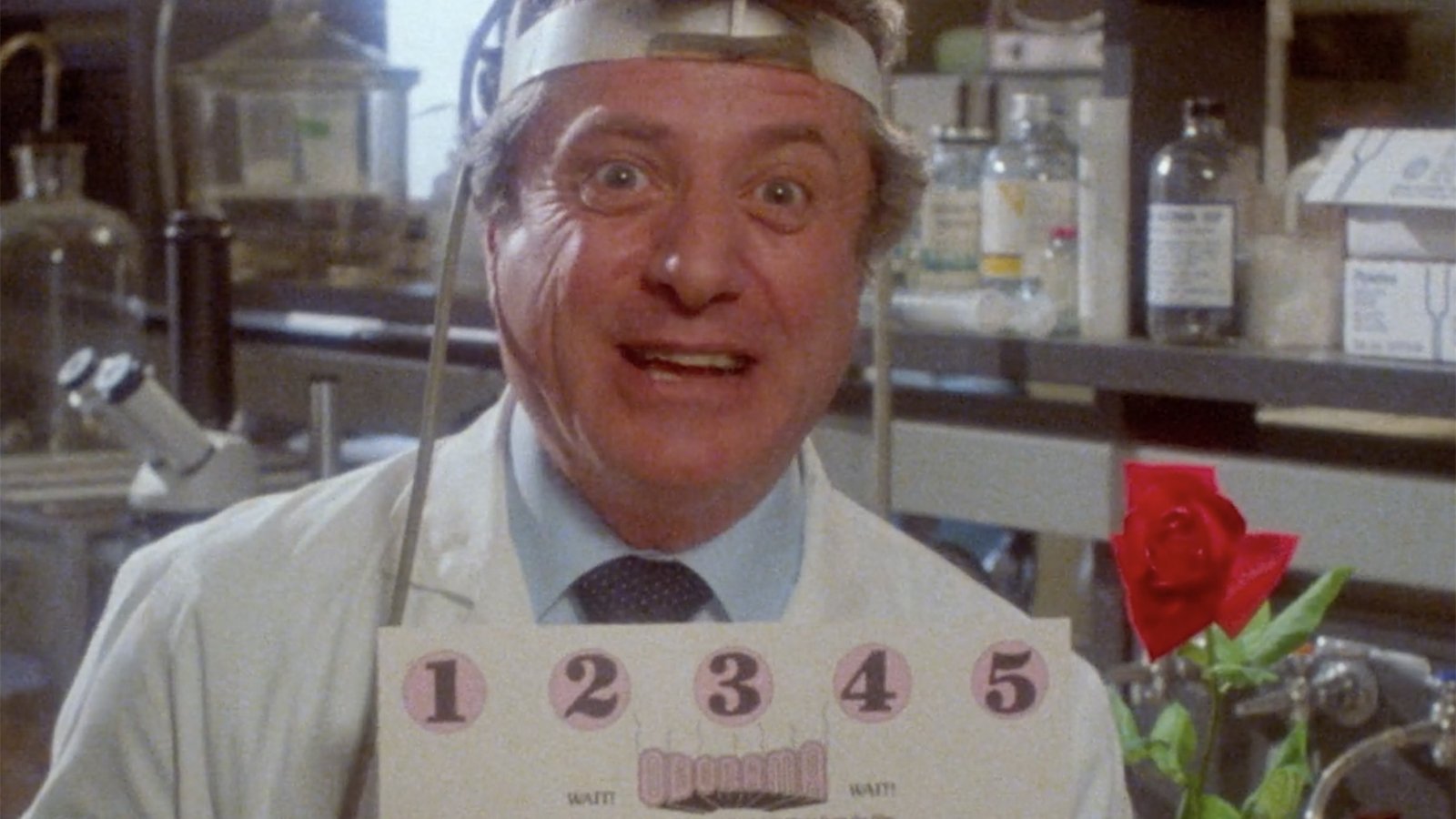
Năm 1981, khi Polyester ra rạp, khán giả được phát một tấm thẻ nhỏ cùng với vé. Trên thẻ có mười ô tròn, đánh số từ 1 đến 10. Trong lúc phim chiếu, một con số hiện lên ở góc màn hình. Đó là tín hiệu để người xem cào đúng ô ấy và đưa lên mũi.
John Waters gọi hệ thống này là Odorama. Không có máy móc trong rạp, không có ống dẫn, không có quạt. Mọi thứ nằm trong lòng bàn tay người xem. Theo Criterion Collection, những tấm thẻ đầu tiên năm 1981 do hãng 3M sản xuất.
Mười mùi được in lên thẻ theo thứ tự: hoa hồng, xì hơi, keo dán mô hình máy bay, pizza, xăng trong can, chồn hôi, khí ga từ lò nướng, mùi da bọc ghế của một chiếc ô tô mới, giày bẩn, và nước xịt phòng dạng bình.
Đọc danh sách ấy là thấy ngay tinh thần của bộ phim. Chỉ có một mùi hoa. Còn lại là mùi của nhà bếp, gara, đường phố và cơ thể. Mùi của một ngôi nhà ở ngoại ô, khi lớp sơn bóng bên ngoài bị cào đi.
Một bà nội trợ có cái mũi quá thính
Polyester kể về Francine Fishpaw, một bà nội trợ ở vùng ngoại ô Baltimore, do Divine đóng. Theo Criterion, khứu giác rất nhạy của Francine là thứ giúp bà đi qua những rối ren trong gia đình. Cái mũi là nhân vật thứ hai của phim.
Chính vì thế Odorama không phải một món phụ gắn thêm cho vui. Khi Francine ngửi, khán giả cũng ngửi. Khoảng cách giữa người trên màn hình và người ngồi ghế bị rút ngắn bằng một động tác rất nhỏ: cào một ô giấy.
Waters làm phim ở rìa của Hollywood, với những nhân vật và chủ đề mà điện ảnh chính thống tránh. Ông muốn làm một bộ phim theo đúng nghĩa đen là bốc mùi, và theo Criterion, trò Odorama một phần là một trò chơi khăm dễ thương dành cho khán giả. Người xem biết mình bị đùa, nhưng vẫn cào. Có lẽ đó là phần vui nhất.
Trò đùa ấy có một lớp nghĩa khác. Ngoại ô Mỹ thường được vẽ ra như nơi sạch sẽ, ngăn nắp, thơm mùi nước xịt phòng. Waters đặt nước xịt phòng vào ô cuối cùng, sau giày bẩn và khí ga. Mùi thơm nhân tạo đến sau cùng, như một lớp che phủ lên mọi thứ còn lại.
Từ Smell-O-Vision tới lòng bàn tay
Odorama không phải lần đầu điện ảnh thử đưa mùi vào rạp. Quanh năm 1960, Smell-O-Vision và AromaRama là hai hệ thống bơm mùi vào khán phòng trong lúc chiếu phim. Chúng cần máy móc đặt ngay trong rạp. Theo bài điểm phim của Variety về buổi ra mắt Smell-O-Vision, không phải khán giả nào cũng nói mình ngửi thấy các mùi được phát ra.
Waters mượn lại ý tưởng của thời ấy nhưng bỏ đi toàn bộ bộ máy. Ông trả việc phát mùi về cho từng người xem. Mỗi người tự quyết định cào mạnh hay nhẹ, ngửi lâu hay nhanh. Một kỹ thuật điện ảnh từng muốn chinh phục cả rạp trở thành một món đồ in rẻ tiền, có thể mang về nhà.
Tên Odorama còn được các nghệ sĩ sau này nhắc lại. Koo Jeong A từng đặt tên này cho một tác phẩm chỉ gồm ánh sáng và mùi gỗ trầm trong một sân ga bỏ hoang, xem thêm Odorama (Charing Cross). Ở đó hình ảnh gần như biến mất, chỉ còn mùi.
Năm 2019, khi Criterion phát hành lại Polyester, họ làm lại tấm thẻ. Theo bài viết của Criterion, mực có mùi do công ty Print-A-Scent ở Tennessee cung cấp, còn thẻ được in tại Kaleidoscope Concepts ở New Jersey. Quá trình in lụa kéo dài mười ngày: mỗi lần chỉ một mùi được in lên toàn bộ số thẻ, để khô, rồi mới tới mùi kế tiếp.
Mười ngày cho mười mùi. Tấm thẻ đùa cợt ấy, hoá ra, cần một sự kiên nhẫn rất nghiêm túc để làm ra. Và gần nửa thế kỷ sau, khán giả vẫn cào đúng những ô ấy, theo đúng những con số ấy.
One card, ten numbers
In 1981, when Polyester opened, audiences were handed a small card with their tickets. It carried ten round spots, numbered one to ten. During the film a number appeared in the corner of the screen. That was the cue to scratch the matching spot and lift it to the nose.
John Waters called the system Odorama. There was no machinery in the theatre, no tubing, no fans. Everything sat in the viewer's palm. According to the Criterion Collection, the original 1981 cards were produced by 3M.
The ten smells were printed in order: a rose, flatulence, model airplane glue, pizza, gasoline in a can, skunk, natural gas from an oven, the leather upholstery of a new car, dirty shoes, and aerosol air freshener.
Reading the list, you see the spirit of the film at once. Only one flower. The rest is kitchen, garage, street and body. The smell of a suburban house once its glossy surface has been scratched away.
A housewife with too sharp a nose
Polyester follows Francine Fishpaw, a housewife in suburban Baltimore, played by Divine. As Criterion puts it, Francine's powerful sense of smell is what helps her through domestic turmoil. The nose is the film's second character.
That is why Odorama is not an add-on for fun. When Francine smells, the audience smells. The gap between the figure on screen and the person in the seat closes through a tiny gesture: scratching a patch of paper.
Waters worked at the edge of Hollywood, with characters and subjects mainstream cinema avoided. He wanted a film that literally stank, and according to Criterion the Odorama gimmick was partly a genial prank on moviegoers. Viewers know they are being teased, and they scratch anyway. That may be the best part.
The prank has another layer. The American suburb is usually pictured as clean, tidy, scented with air freshener. Waters put air freshener in the final spot, after dirty shoes and gas. The artificial pleasant smell comes last, as a cover laid over everything else.
From Smell-O-Vision to the palm of a hand
Odorama was not cinema's first attempt to bring smell into the theatre. Around 1960, Smell-O-Vision and AromaRama piped scents into auditoriums during screenings. They needed machinery installed in the theatre itself. Variety's review of the Smell-O-Vision premiere noted that not every viewer claimed to have smelled the odours released.
Waters borrowed the idea from that era but dropped the entire apparatus. He handed the release of smell back to each viewer. Each person decides how hard to scratch, how long to sniff. A film technology that once hoped to conquer a whole theatre became a cheap printed object you could take home.
Later artists returned to the name. Koo Jeong A gave it to a work made only of light and agarwood in a disused station platform; see Odorama (Charing Cross). There the image almost disappears and only the smell remains.
In 2019, when Criterion reissued Polyester, it remade the card. According to Criterion, the scented inks came from Print-A-Scent in Tennessee and the cards were printed by Kaleidoscope Concepts in New Jersey. The screen printing took ten days: one smell at a time was laid across every card, left to dry, then the next.
Ten days for ten smells. The joke card, it turns out, needed a very serious patience to make. And almost half a century on, audiences still scratch the same spots, following the same numbers.
Olfactory Art