
Essays · Contemporary Art
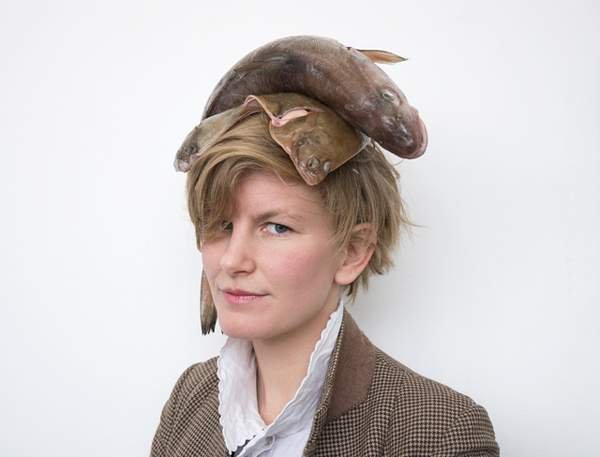
Laure Prouvost. Wantee.
Một câu chuyện bịa cũng để lại dấu vết thật.
An invented story still leaves real traces.
© Hydar Dewach · Tate
Want tea?
Năm 2013, Tate Britain mở triển lãm Schwitters in Britain, từ 30 tháng Một đến 12 tháng Năm. Đây là triển lãm lớn đầu tiên nhìn vào giai đoạn cuối đời của Kurt Schwitters, nghệ sĩ Dada người Đức. Ông đến Anh năm 1940 như một người tị nạn, sau khi chính quyền Quốc xã gọi tác phẩm của ông là nghệ thuật suy đồi. Ông mất ở Cumbria năm 1948.
Ở phần cuối triển lãm, hai nghệ sĩ đương đại được mời làm tác phẩm đáp lại di sản của Schwitters, cùng tổ chức Grizedale Arts. Một trong hai người là Laure Prouvost, nghệ sĩ người Pháp sống ở London.
Tác phẩm của bà tên là Wantee. Đó là biệt danh của người bạn đời những năm cuối của Schwitters. Bà có thói quen hỏi mọi người: want tea? Hỏi nhiều đến mức câu hỏi thành tên.
Prouvost lấy chữ đó làm điểm bắt đầu. Wantee là một sắp đặt video, trong đó đoạn phim dài 14 phút.
Một người ông được bịa ra
Nhân vật chính của Wantee là người ông của Prouvost. Theo câu chuyện bà kể, ông là một nghệ sĩ ý niệm và là bạn thân của Schwitters. Người ông này không có thật. Bà dựng ông lên bằng giọng kể, bằng hình ảnh, bằng đồ vật, bằng một gia đình xoay quanh ông.
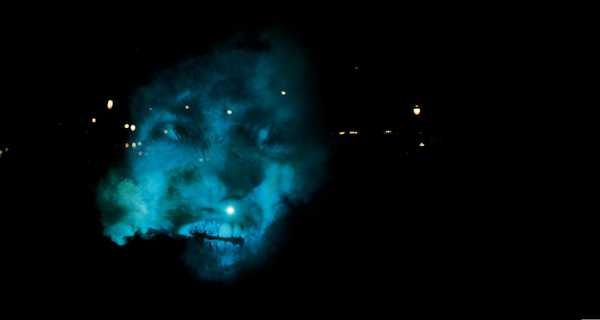
Video của Prouvost nổi tiếng vì nhịp cắt rất nhanh. Hình ảnh nhảy từ cận cảnh này sang cận cảnh khác. Chữ hiện lên màn hình, có khi khớp với giọng đọc, có khi lệch hẳn. Tate mô tả lối làm của bà bằng mấy yếu tố: kể chuyện mạnh, cắt nhanh, dựng ghép, và cố ý dùng sai ngôn ngữ. Người xem phải tự nối các mảnh lại, và mỗi người nối một kiểu.
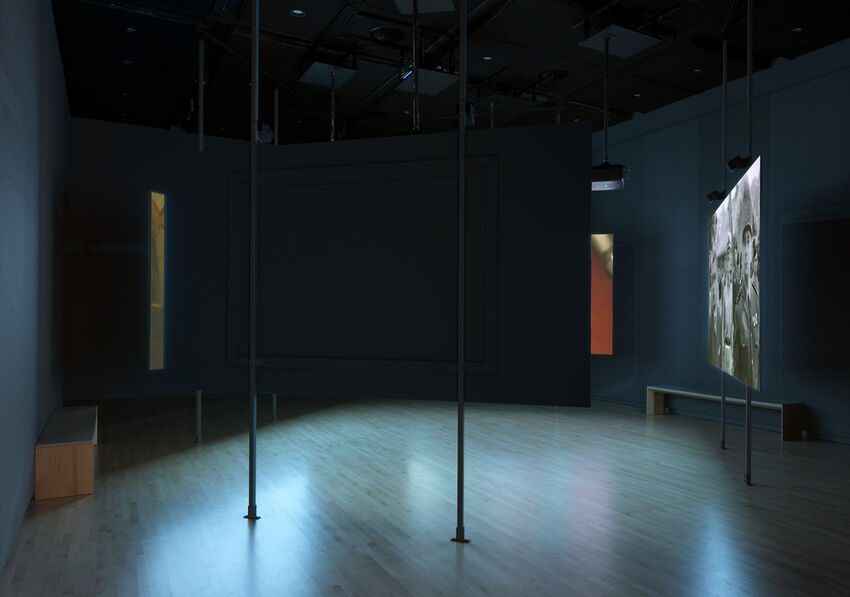
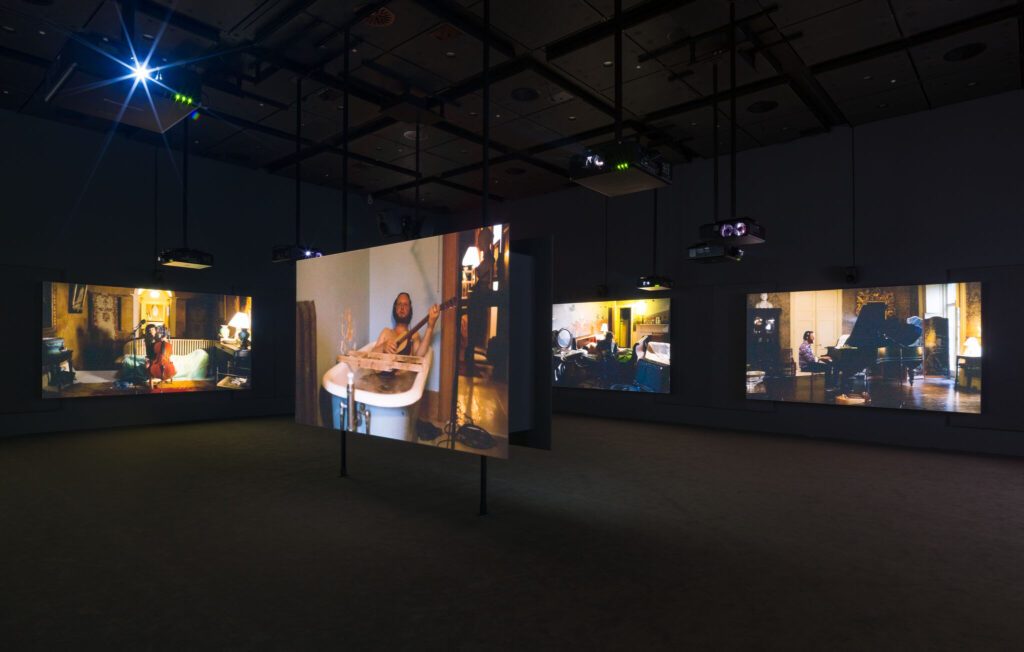
Video không đứng một mình. Nó được chiếu trong một không gian dựng như chỗ ở của người ông, có bàn ghế và đồ vật, như thể ông vừa rời đi. Ranh giới giữa phim và căn phòng mờ đi. Người xem bước vào câu chuyện chứ không chỉ nhìn nó.
Trong một buổi trình diễn ở Tate Britain ngày 27 tháng Tư năm 2013, Prouvost dẫn khán giả đi tìm người ông ấy. Trà được mời, để tưởng nhớ người phụ nữ có biệt danh Wantee.
Schwitters và chất liệu đời thường
Để hiểu vì sao một bữa trà có thể là tác phẩm đáp lại Schwitters, cần nhớ ông làm nghệ thuật thế nào. Schwitters nghĩ ra khái niệm Merz: dùng mọi chất liệu có thể, cho mục đích nghệ thuật. Dây, bông, bánh xe nôi, vé xe buýt, giấy gói kẹo. Với ông, chúng ngang hàng với sơn.
Năm 1945, ông chuyển đến vùng Lake District và bắt đầu đưa những vật từ thiên nhiên vào tác phẩm. Công trình lớn cuối cùng của ông là Merz Barn, một kho thóc được biến thành không gian nghệ thuật.
Prouvost tiếp tục tinh thần đó theo cách của mình. Bà không làm lại Merz. Bà lấy chất liệu đời thường nhất trong đời sống của Schwitters, một câu hỏi mời trà, và biến nó thành trung tâm. Người ông hư cấu là một cách để chen vào lịch sử nghệ thuật từ cửa bếp, không phải từ cửa chính.
Giải Turner và sau đó
Cuối năm 2013, Prouvost đoạt giải Turner. Lần đầu tiên trong lịch sử giải, triển lãm được tổ chức ở Bắc Ireland, tại Ebrington ở Derry~Londonderry, trong năm thành phố này làm Thành phố Văn hoá của Vương quốc Anh. Ba nghệ sĩ cùng vào vòng cuối là Tino Sehgal, David Shrigley và Lynette Yiadom-Boakye.
Bà được đề cử nhờ Wantee và một sắp đặt hai phần làm cho giải Max Mara dành cho nghệ sĩ nữ, phát triển trong một đợt lưu trú ở Ý và trưng bày cùng Whitechapel Gallery. Nhiều người bất ngờ khi bà thắng. Chủ tịch hội đồng khi ấy nói tác phẩm vừa rất riêng tư vừa hướng ra ngoài.
Wantee được nhớ vì nó làm một việc hiếm: dùng hư cấu để nói về một con người có thật, mà không cần nói điều gì sai về họ. Nó cũng gần với bữa salad của Alison Knowles, nơi một việc làm trong bếp được đưa thẳng vào phòng trưng bày. Một ấm trà, một câu hỏi, một người ông không có thật. Và một căn phòng người ta muốn ngồi lại lâu hơn.
Want tea?
In 2013 Tate Britain opened Schwitters in Britain, running from 30 January to 12 May. It was the first major exhibition on the late work of Kurt Schwitters, the German Dada artist. He arrived in Britain in 1940 as a refugee, after the Nazi government condemned his work as degenerate. He died in Cumbria in 1948.
At the end of the exhibition, two contemporary artists were commissioned, with Grizedale Arts, to respond to Schwitters's legacy. One of them was Laure Prouvost, a French artist based in London.
Her work was called Wantee. That was the nickname of Schwitters's companion in his last years. She had a habit of asking everyone: want tea? She asked it so often that the question became her name.
Prouvost took the word as her starting point. Wantee is a video installation built around a film of 14 minutes.
An invented grandfather
The main character of Wantee is Prouvost's grandfather. In the story she tells, he was a conceptual artist and a close friend of Schwitters. He never existed. She built him out of voice, images, objects and a family arranged around him.
Prouvost's videos are known for very fast cutting. Images leap from one close up to the next. Words appear on screen, sometimes matching the voice, sometimes drifting away from it. Tate describes her approach through a few elements: strong storytelling, quick cuts, montage and a deliberate misuse of language. Viewers have to join the fragments themselves, and each joins them differently.
The video does not stand alone. It plays inside a space set up like the grandfather's home, with furniture and objects, as if he had just stepped out. The line between film and room blurs. Visitors walk into the story instead of only watching it.
At a performance at Tate Britain on 27 April 2013, Prouvost led the audience in search of this grandfather. Tea was served, in honour of the woman called Wantee.
Schwitters and everyday material
To see why a tea party can answer Schwitters, recall how he worked. He invented the idea of Merz: using any conceivable material for artistic purposes. String, cotton wool, a pram wheel, bus tickets, sweet wrappers. For him they were equal to paint.
In 1945 he moved to the Lake District and began bringing natural objects into his work. His last great project was the Merz Barn, a farm building turned into an artwork.
Prouvost carries that spirit on in her own way. She does not remake Merz. She takes the most ordinary material in Schwitters's daily life, an offer of tea, and puts it at the centre. The invented grandfather is a way of entering art history through the kitchen door rather than the front one.
The Turner Prize and after
At the end of 2013 Prouvost won the Turner Prize. For the first time in its history the exhibition was held in Northern Ireland, at Ebrington in Derry~Londonderry, during the city's year as UK City of Culture. The other shortlisted artists were Tino Sehgal, David Shrigley and Lynette Yiadom-Boakye.
She was nominated for Wantee and for a two part installation made for the Max Mara Art Prize for Women, developed during a residency in Italy and shown with the Whitechapel Gallery. Many were surprised by her win. The chair of the jury said the work was both very intimate and quite outward facing.
Wantee is remembered because it does something rare: it uses fiction to speak about a real person without saying anything false about them. It also sits close to Alison Knowles's salad, where a kitchen task walks straight into the gallery. A teapot, a question, a grandfather who never lived. And a room people want to stay in a little longer.
Contemporary Art