
Essays · Olfactory Art
Martynka Wawrzyniak. Eau de M.
Một quảng cáo cho thứ không ai bán.
An advertisement for something no one sells.
© Martynka Wawrzyniak · Martynka Wawrzyniak (official site)
Một trang quảng cáo
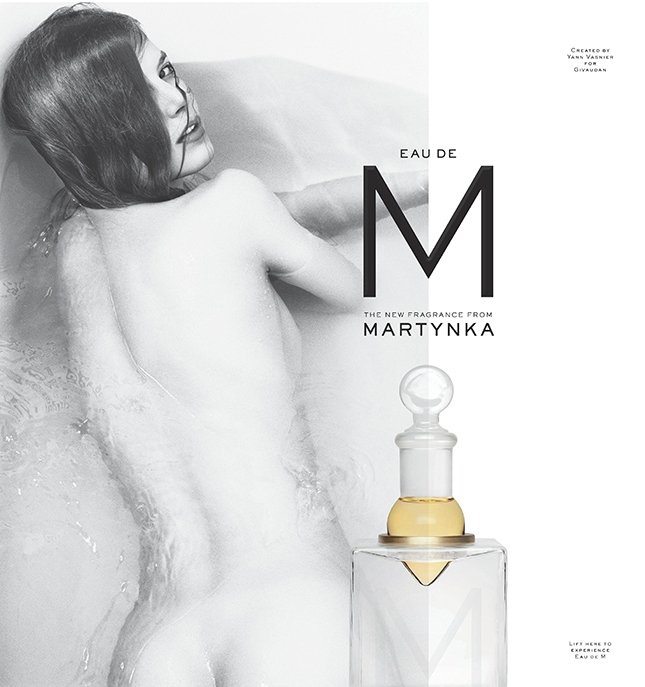
Năm 2014, trong các trang của tạp chí thời trang Harper's Bazaar, xuất hiện một quảng cáo nước hoa tên Eau de M. Nó trông như mọi quảng cáo nước hoa khác trong số báo: hình ảnh, cái tên, và một dải giấy thử mùi để người đọc bóc ra ngửi.
Không có nước hoa nào tên Eau de M được bày bán. Trang quảng cáo là một tác phẩm của Martynka Wawrzyniak, nghệ sĩ sống ở New York. Mùi trên dải thử là tinh chất mồ hôi của chính chị.
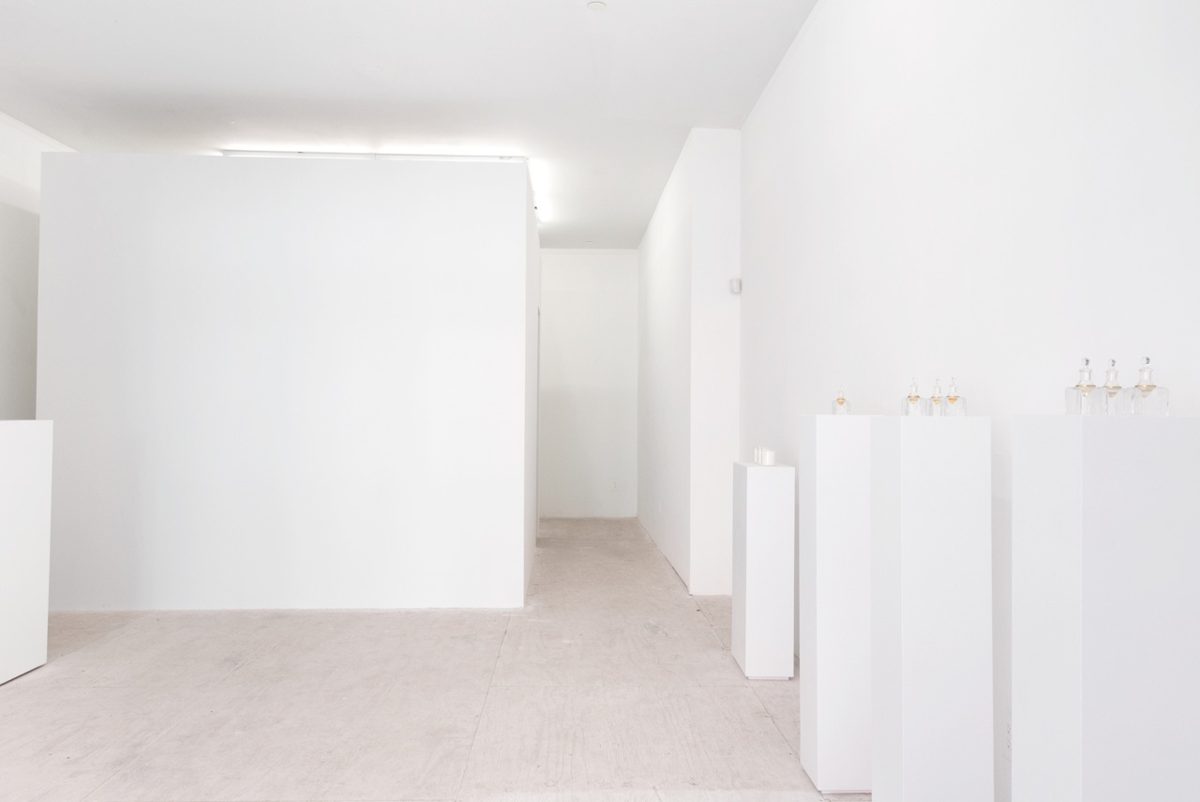
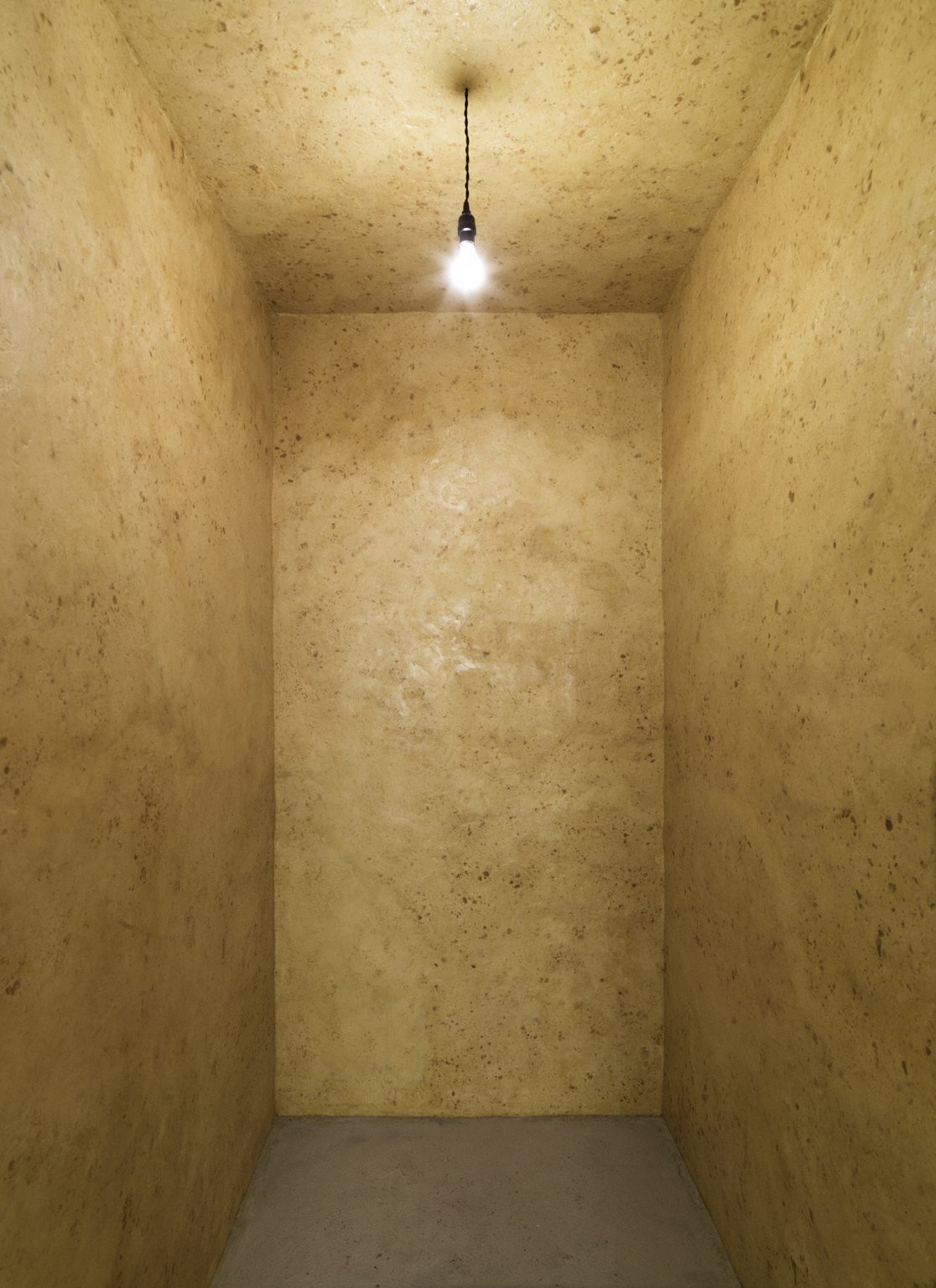
Tinh chất ấy đến từ một dự án trước. Năm 2012, trong Smell Me, Wawrzyniak đã dành một năm cùng các nhà hóa học chiết mùi từ mồ hôi, nước mắt và tóc của mình. Eau de M tách riêng mùi mồ hôi ra, rồi đổi chỗ trưng bày của nó: từ phòng gallery sang trang báo.
Tạp chí làm phòng trưng bày
Wawrzyniak gọi việc đưa Eau de M vào tạp chí là một cử chỉ du kích. Tác phẩm chen vào không gian quảng cáo thương mại mà không xin phép như một tác phẩm nghệ thuật. Nó mặc áo của một sản phẩm.
Lựa chọn này thay đổi người xem. Gallery ở New York đón một nhóm nhỏ, phần lớn là người trong giới nghệ thuật, những người biết mình đang xem nghệ thuật. Một tạp chí thời trang đến với rất nhiều người đọc bình thường, những người lật trang để xem quần áo và đồng hồ, không chờ đợi gì từ một dải thử mùi ngoài một mùi dễ chịu.
Tạp chí cũng là nơi dải thử mùi ra đời. Người đọc đã quen bóc lớp giấy, đưa lên mũi, rồi quyết định mình có thích không. Wawrzyniak không cần dạy họ cách xem tác phẩm. Cách xem đã có sẵn. Chị chỉ thay thứ bên trong.
Trong một phòng trưng bày, tác phẩm được bảo vệ bởi cái khung của nghệ thuật. Trên trang báo, nó phải tự đứng như mọi món hàng xung quanh. Và nó đã đứng được.
Người đến hỏi mua
Theo trang của nghệ sĩ, sau khi số báo phát hành, cửa hàng Barneys New York nhận được câu hỏi của khách muốn mua Eau de M. Một thứ nước hoa không có thật, làm từ mồ hôi của một người lạ, được hỏi mua ở một trong những cửa hàng xa xỉ nổi tiếng nhất thành phố.
Chi tiết ấy làm tác phẩm hoàn chỉnh. Nó cho thấy người ta không mua mùi. Người ta mua mùi nằm trong một câu chuyện. Cùng một mùi mồ hôi, trên áo một người lạ trên tàu điện, khiến người ta lùi lại. Trên dải giấy dưới cái tên Pháp, nó khiến người ta tìm đến cửa hàng.
Wawrzyniak không nói người đọc bị lừa. Có thể mùi ấy thật sự dễ chịu với họ. Mùi cơ thể người vốn đã nằm sâu trong lịch sử nước hoa. Điều tác phẩm làm là cho thấy khoảng cách giữa phản xạ của mũi và định kiến của đầu: khi không có ai nói với ta đó là mồ hôi, ta ngửi thấy gì?
Vật và nhãn
Nhiều nghệ sĩ đã mượn hình thức chai nước hoa để làm tác phẩm. Năm 1921, Marcel Duchamp dán lên một chai nước hoa tấm ảnh chính mình trong vai Rrose Sélavy, trong tác phẩm Belle Haleine. Eau de M đi theo đường ấy nhưng đổi chiều: cái nhãn thì giả, còn cái bên trong thì thật đến mức khó chịu.
Tác phẩm vì thế đặt hai thứ cạnh nhau mà văn hóa tiêu dùng thường giữ tách xa. Một bên là cơ thể, với mọi thứ nó tiết ra mà ta muốn khử. Một bên là hình ảnh sang trọng, được dựng để ta muốn sở hữu. Dải giấy nhỏ nối hai bên.
Smell Me hỏi ta biết một người bằng gì. Eau de M hỏi một câu thực tế hơn, và khó chịu hơn: ta muốn thứ gì, và ai quyết định điều đó cho ta?
An advertisement
In 2014 an advertisement for a perfume called Eau de M appeared in the pages of Harper's Bazaar. It looked like every other perfume ad in the issue: an image, a name, and a scent strip for the reader to peel open and smell.
No perfume called Eau de M was for sale. The page was a work by Martynka Wawrzyniak, an artist based in New York. The smell on the strip was the essence of her own sweat.
The essence came from an earlier project. In 2012, for Smell Me, Wawrzyniak spent a year with chemists extracting smell from her sweat, tears and hair. Eau de M isolated the sweat and changed where it was shown: from gallery to printed page.
The magazine as gallery
Wawrzyniak calls the insertion a guerrilla gesture. The work slipped into commercial advertising space without being announced as art. It wore the clothes of a product.
That choice changed the audience. A New York gallery receives a small crowd, mostly from the art world, people who know they are looking at art. A fashion magazine reaches ordinary readers turning pages for clothes and watches, expecting nothing from a scent strip beyond something pleasant.
The magazine is also where the scent strip was born. Readers already know the routine: peel, lift to the nose, decide. Wawrzyniak did not need to teach anyone how to view the work. The way of viewing was already there. She only changed what was inside.
In a gallery, a work is protected by the frame of art. On a magazine page it has to stand like every product around it. And it did.
The people who asked
According to the artist's site, after the issue came out, Barneys New York received enquiries from customers who wanted to buy Eau de M. A perfume that did not exist, made from a stranger's sweat, asked for at one of the city's best known luxury stores.
That detail completes the work. People do not buy a smell. They buy a smell inside a story. The same sweat on a stranger's shirt on the subway makes people step back. On a strip beneath a French name, it sends them to a store.
Wawrzyniak does not say the readers were fooled. Perhaps they genuinely liked the smell. The smell of the human body runs deep in the history of perfume. What the work reveals is the gap between the reflex of the nose and the prejudice of the mind: when no one tells us it is sweat, what do we smell?
Object and label
Many artists have borrowed the form of the perfume bottle. In 1921 Marcel Duchamp put a photograph of himself as Rrose Sélavy on a perfume bottle, in Belle Haleine. Eau de M follows that line and turns it around: the label is fake, and what lies inside is real to an uncomfortable degree.
The work places side by side two things consumer culture keeps apart. On one side the body, with everything it releases that we want to deodorise. On the other a luxurious image, built so that we want to own it. A small strip of paper joins them.
Smell Me asks how we know a person. Eau de M asks something more practical, and more uncomfortable: what do we want, and who decides that for us?

Olfactory Art