
Essays · Olfactory Art
Sean Raspet. New Olfactory Molecules.
Một mùi hoa không có bông hoa nào.
A floral smell with no flower behind it.
Courtesy The Art and Olfaction Awards · Sean Raspet (official site)
Một phân tử chưa từng có
Tên hoá học của nó là 2-benzyl-1,3-dioxan-5-one. Tên thương mại là Hyperflor. Theo Sean Raspet, trước khi được tạo ra vào năm 2018, phân tử này chưa từng tồn tại trong tự nhiên, cũng chưa từng xuất hiện trong tài liệu khoa học nào.
Raspet là nghệ sĩ Mỹ, từ lâu làm việc ở chỗ giao nhau giữa hoá học, mùi vị và nghệ thuật. Với Hyperflor, ông là người thiết kế phân tử và vạch ra con đường phản ứng để tạo ra nó. Việc tổng hợp diễn ra trong khoảng 2018 đến 2019, tại phòng thí nghiệm của nhà hoá học Shengping Zheng ở Hunter College, thuộc hệ thống đại học công lập New York, với sự trợ giúp của Sihan Li.
Trên trang của mình, Raspet ghi rằng Hyperflor có một nét hoa rất mạnh, ngay cả khi pha rất loãng. Ông còn cho rằng mùi của nó tự nhiên và phức tạp hơn nhiều phân tử mùi hoa vốn có sẵn trong tự nhiên. Một thứ hoàn toàn tổng hợp lại được mô tả là tự nhiên hơn tự nhiên. Chính nghịch lý ấy là chỗ tác phẩm bắt đầu.
Về cấu trúc, phân tử mang vài đặc điểm chung với axit phenylacetic, một chất điều hoà sinh trưởng ở rễ cây. Một mùi hoa có họ hàng xa với thứ giúp rễ mọc. Chi tiết ấy khó mà không để ý.
Mùi như một đoạn chuyển cảnh
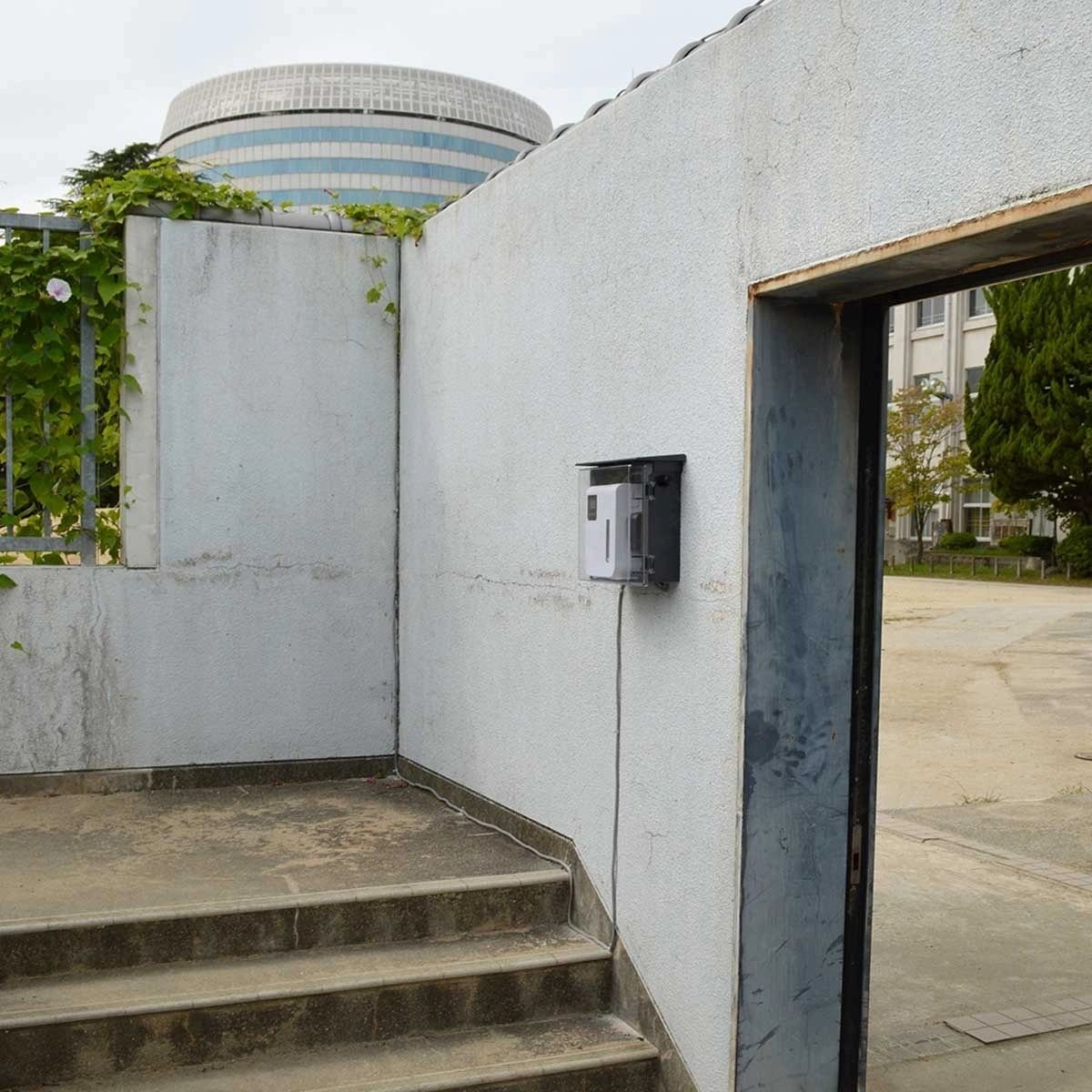
Năm 2019, Hyperflor được mang tới Okayama Art Summit ở Nhật Bản, kỳ triển lãm mang tên IF THE SNAKE, do Pierre Huyghe làm giám đốc nghệ thuật. Phân tử không được đặt trong tủ kính. Nó được khuếch tán ở nhiều địa điểm của triển lãm khắp thành phố.
Raspet gọi vai trò của nó là những đoạn chuyển cảnh giữa các không gian. Như trong phim, khi cảnh này nhường chỗ cho cảnh khác, người xem đi từ nơi này sang nơi khác và đi qua một mùi hoa không thuộc về nơi nào.
Người đi qua có lẽ không biết mình vừa ngửi một phân tử mới. Họ chỉ thấy một mùi hoa, rồi thôi. Đó là cách tác phẩm hoạt động: không đòi được nhìn, chỉ cần được hít vào.
Có một nguồn cho biết Raspet mô tả mùi của nó nằm đâu đó giữa cánh hoa và thảm thực vật chín quá. Một mùi hoa, nhưng đã hơi quá độ, sắp sang một trạng thái khác.
Một phân tử, ba danh tính
Hyperflor không chỉ là tác phẩm. Nó đang chờ cấp bằng sáng chế, và đang được đưa vào thương mại để dùng trong hương liệu công nghiệp và các sản phẩm có mùi.
Như vậy cùng một phân tử có ba danh tính. Nó là một hành động sáng tạo: tổng hợp một thứ chưa từng có. Nó là một thực thể pháp lý và thương mại, có tên, có bằng, có thể mua bán. Và nó là một tác phẩm, hoạt động bằng vật chất, bằng ý niệm, và cả bằng kinh tế.
Nghệ thuật thường đứng bên ngoài quy trình sản xuất và bình luận về nó. Raspet đi vào bên trong. Ông không vẽ về ngành mùi. Ông thêm một nguyên liệu mới vào kho nguyên liệu của ngành ấy.
Hai phân tử trong một căn phòng trống
Tác phẩm New Olfactory Molecules đặt Hyperflor cạnh một phân tử mới thứ hai, mang tên E12. Trang của nghệ sĩ không mô tả E12, nên ở đây Penta không đoán về mùi của nó.
Năm 2025, tác phẩm vào vòng chung khảo giải Sadakichi của Art and Olfaction Awards. Lời giới thiệu cho biết hai phân tử được trình bày trong một sắp đặt tối giản, không có trang trí thị giác nào kèm theo.
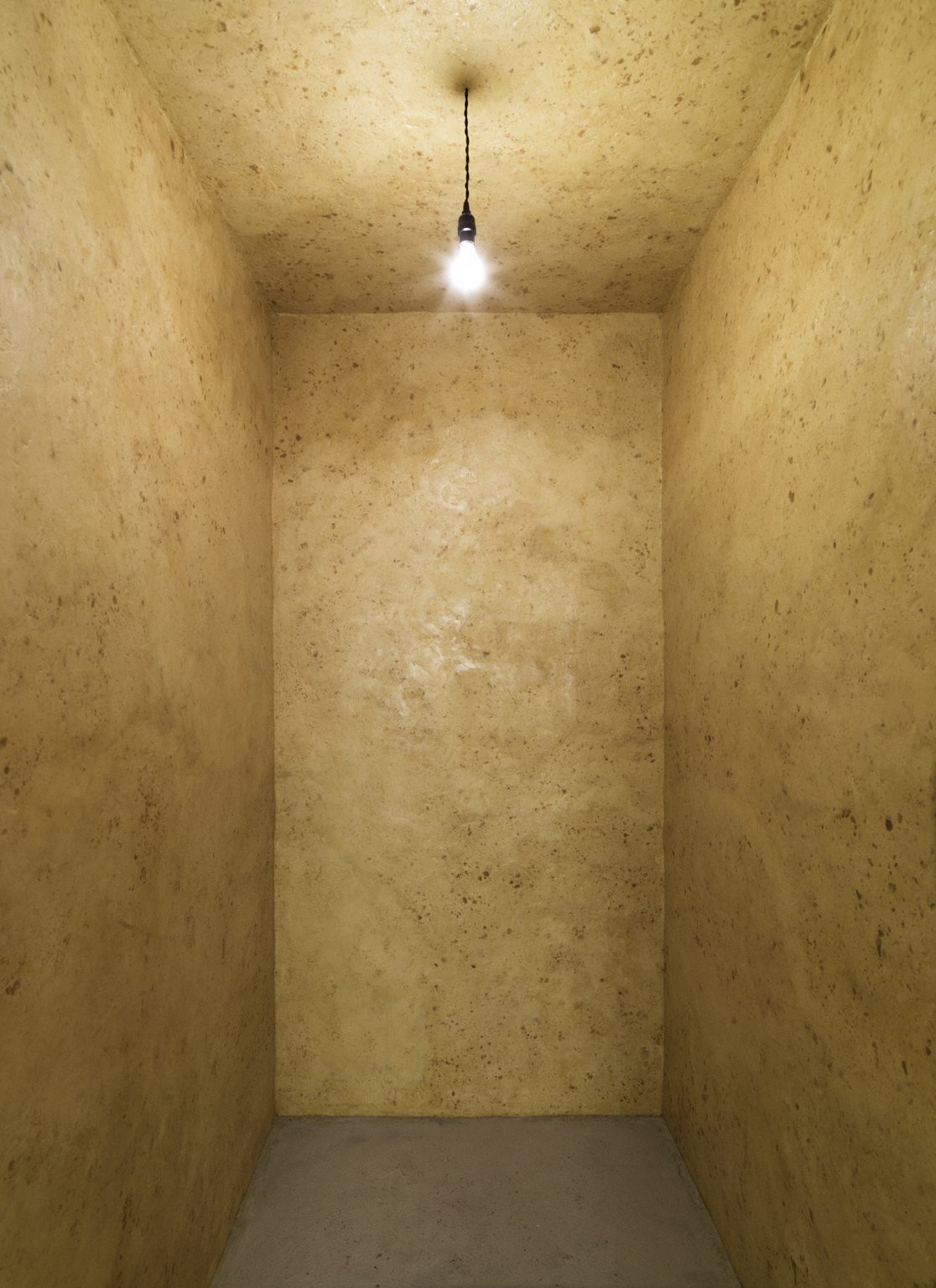
Sự trống trải ấy là một lựa chọn. Không chai đẹp, không ảnh hoa, không câu chuyện về vùng đất nào. Chỉ còn phân tử và cái mũi. Người xem buộc phải đối diện với câu hỏi đơn giản nhất: đây là mùi gì, khi nó không nhắc tới thứ gì khác?
Phần lớn mùi ta biết đều mượn tên của một vật: hoa hồng, gỗ tuyết tùng, vỏ cam. Hyperflor chưa có vật nào để mượn tên. Nó chỉ có công thức, và cái tên mà người làm ra nó đặt cho.
A molecule that never existed
Its chemical name is 2-benzyl-1,3-dioxan-5-one. Its trade name is Hyperflor. According to Sean Raspet, before it was made in 2018 the molecule had never existed in nature, nor appeared anywhere in the scientific literature.
Raspet is an American artist who has long worked where chemistry, flavour, smell and art meet. For Hyperflor he designed the molecule and developed the reaction pathway to produce it. It was synthesized between 2018 and 2019 in the laboratory of chemist Shengping Zheng at Hunter College, part of the City University of New York, with assistance from Sihan Li.
On his site Raspet notes that Hyperflor has a very strong floral aspect even at high dilution. He also finds it more natural and complex than many floral molecules that occur in nature. Something wholly synthetic described as more natural than nature: that paradox is where the work begins.
Structurally, the molecule shares features with phenylacetic acid, a plant hormone involved in root growth. A floral smell distantly related to something that helps roots grow. It is hard not to notice.
Smell as a scene transition
In 2019 Hyperflor went to the Okayama Art Summit in Japan, the edition titled IF THE SNAKE, with Pierre Huyghe as artistic director. The molecule was not placed in a vitrine. It was diffused at sites of the exhibition across the city.
Raspet describes its role as scene transitions between spaces. As in film, when one scene gives way to the next, visitors moved from one place to another and passed through a floral smell that belonged to neither.
Most passers by probably had no idea they had just smelled a new molecule. They noticed something floral, and moved on. That is how the work operates: it does not ask to be looked at, only breathed.
One source reports Raspet describing the smell as somewhere between flower petals and overripe vegetation. Floral, but slightly past its peak, about to turn into something else.
One molecule, three identities
Hyperflor is not only an artwork. It is patent pending, and it is being commercialized for industrial scent use and scented products.
So one molecule carries three identities. It is a creative act: synthesizing something that did not exist. It is a legal and commercial entity, with a name, a patent application, a market. And it is an artwork, operating materially, conceptually and economically.
Art usually stands outside production and comments on it. Raspet steps inside. He does not make pictures about the scent industry. He adds a new raw material to its shelves.
Two molecules in an empty room
New Olfactory Molecules sets Hyperflor beside a second new molecule, E12. The artist's site does not describe E12, so Penta will not guess at its smell here.
In 2025 the work was a finalist for the Sadakichi Award at the Art and Olfaction Awards. The citation describes two new scent molecules presented in a minimal installation, without additional visual adornment.
That emptiness is a choice. No elegant bottle, no flower photograph, no story of a region. Only the molecule and the nose. Visitors face the simplest question: what is this smell, when it refers to nothing else?
Most smells we know borrow the name of a thing: rose, cedar, orange peel. Hyperflor has no thing to borrow from. It has only a formula, and the name its maker gave it.

Olfactory Art