
Essays · Olfactory Art
Theophrastus. Mùi trong khu vườn của Aristotle.
Trước lý thuyết là một người chịu khó ngửi.
Before theory, someone took the trouble to smell.
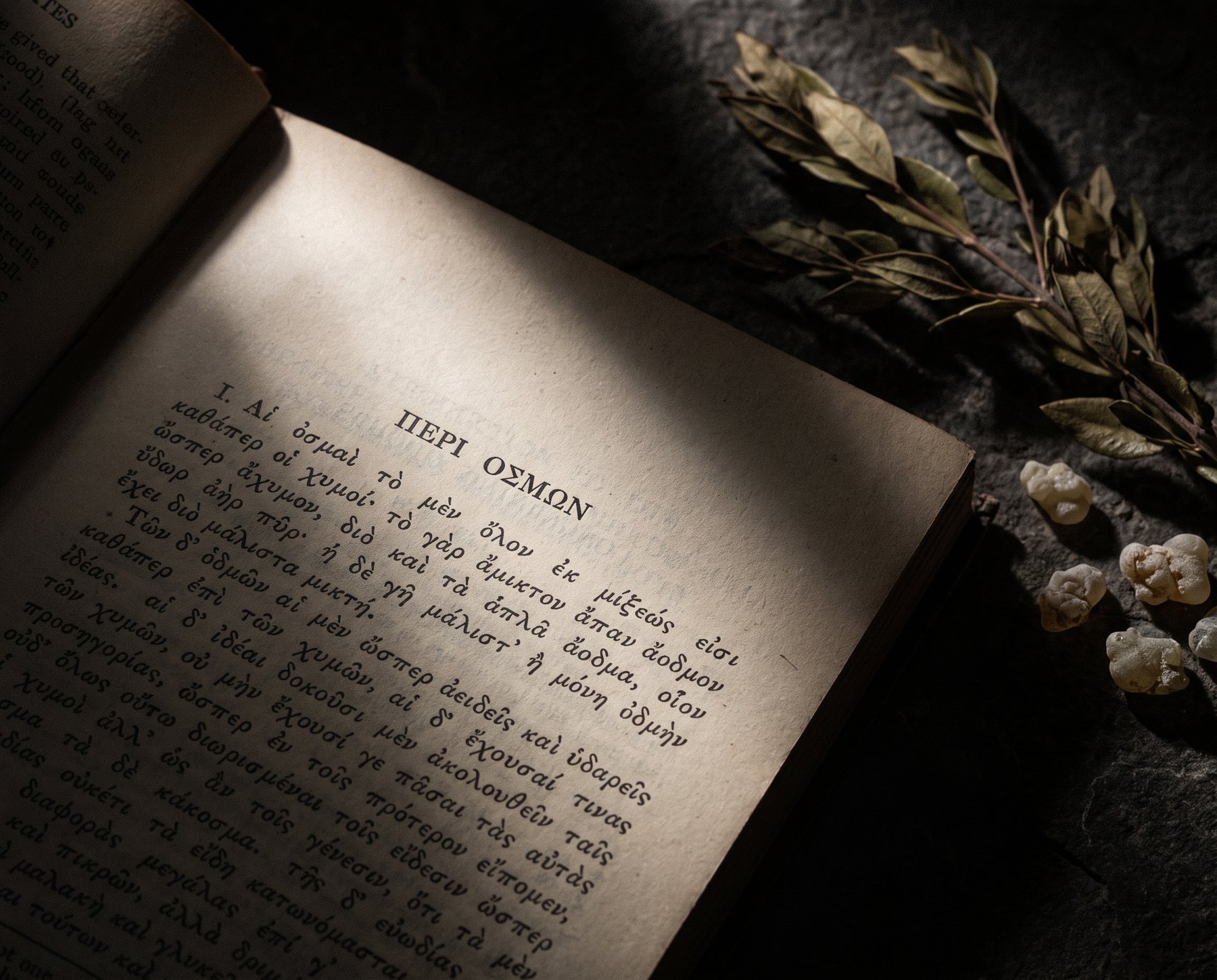
Lyceum, thế kỷ 4 trước Công nguyên
Theophrastus sinh ở Eresos, trên đảo Lesbos. Ông theo học Aristotle, rồi khi Aristotle rời Athens, ông đứng đầu trường Lyceum. Người theo trường này được gọi là phái Tiêu dao, theo lối đi có mái che nơi thầy trò vừa đi vừa bàn luận. Ông dạy ở đó nhiều thập niên.
Aristotle để lại những khảo luận lớn về động vật. Theophrastus để lại những khảo luận lớn về thực vật: Khảo cứu về cây cỏ và Nguyên nhân của cây cỏ. Vì vậy ông thường được gọi là người mở đầu ngành thực vật học ở phương Tây. Bên cạnh hai bộ sách ấy là một số khảo luận ngắn, trong đó có một bài Về mùi và một bài Về các dấu hiệu thời tiết.
Khảo luận Về mùi sống sót qua các bản chép tay và được in trong ấn bản Aldine ở Venice năm 1497. Năm 1916, Arthur Hort dịch nó sang tiếng Anh, in chung với tập hai của Khảo cứu về cây cỏ trong tủ sách Loeb. Bản ấy nay nằm trong kho sách công cộng, ai cũng đọc được.
Văn bản không dài. Nó không có thơ, không có thần thoại. Nó giống sổ ghi chép của một người đi hỏi thợ làm dầu thơm, đứng xem họ làm, rồi về viết lại những gì đã thấy.
Về mùi: dầu, nhựa, hoa, rễ
Theophrastus bắt đầu bằng một nhận xét tổng quát. Mùi, cũng như vị, sinh ra từ sự trộn lẫn. Thứ gì đơn thuần thì không mùi. Rồi ông ghi một điều mà người làm hương hôm nay vẫn nói: mùi không có tên riêng như vị. Ta gọi được ngọt, đắng, chua, mặn. Với mùi, ta chỉ chia được thơm và hôi, rồi dùng những chữ như hăng, mạnh, nhạt, ngọt, nặng, mà nhiều chữ trong đó dùng được cho cả hai phía.
Ông cũng thừa nhận giới hạn của mũi người. Theo ông, khứu giác của con người kém hầu hết loài vật, nên có những thứ ta cho là không mùi mà con vật vẫn ngửi thấy và tránh.
Phần lớn khảo luận nói về dầu thơm. Người làm dầu trộn chất khô vào chất lỏng: hoa, lá, rễ, nhựa ngâm vào dầu. Ông phân biệt mùi của hoa, nằm trên bề mặt, bay xa, và mùi của rễ như diên vĩ hay cam tùng, phải giã ra mới thơm. Nếu bóp nát hoa, mùi lại kém đi. Nhựa trầm và mộc dược thì cần hơ lửa nhẹ.
Ông ghi cả cách giữ. Người làm dầu tìm những căn phòng trên cao, không hướng nắng, càng râm càng tốt. Dầu được đựng trong bình chì hoặc lọ thạch cao tuyết hoa, vì chì và đá mát, kín thớ. Có loại dầu không màu, có loại được nhuộm đỏ bằng rễ cây. Có người thợ kể đã giữ dầu diên vĩ hai mươi năm.
Xếp mùi theo vật liệu, không theo cảm xúc
Nếu có một cách phân loại trong Về mùi, đó là phân loại theo vật liệu và cách làm. Hoa khác rễ. Rễ khác nhựa. Dầu làm nền khác hương liệu ngâm vào. Pha chất khô với chất khô là việc của người làm bột hương; pha lỏng với lỏng là việc của người pha rượu; pha khô vào lỏng là việc của người làm dầu thơm.
Không có bảng xếp theo cảm giác gợi ra, không có mùi buồn hay mùi vui. Theophrastus chỉ hỏi: mùi này từ phần nào của cây, nó giữ được bao lâu, nó cần gì để toả ra. Đó là những câu hỏi của người đứng trong xưởng, không phải của nhà triết học ngồi trong thư phòng.
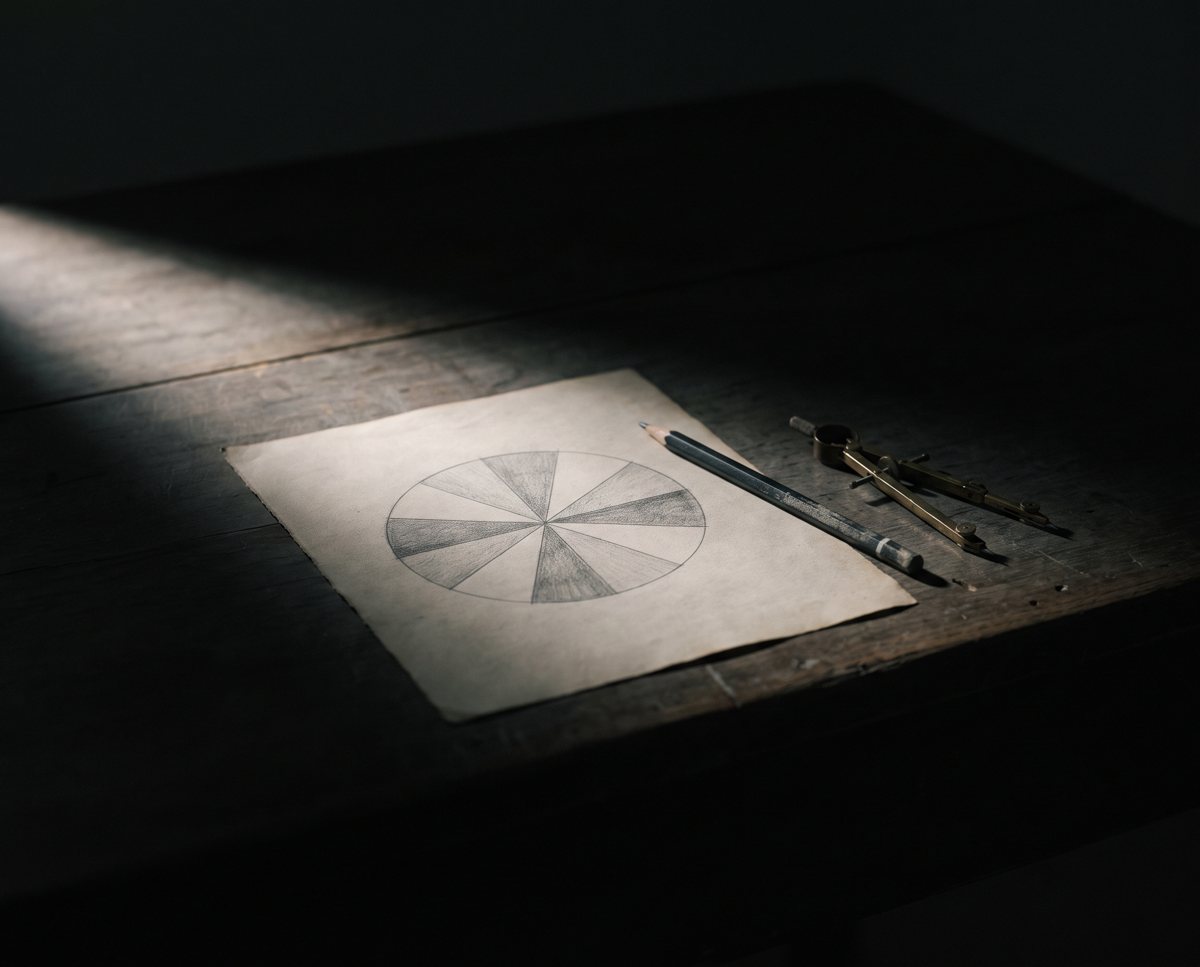
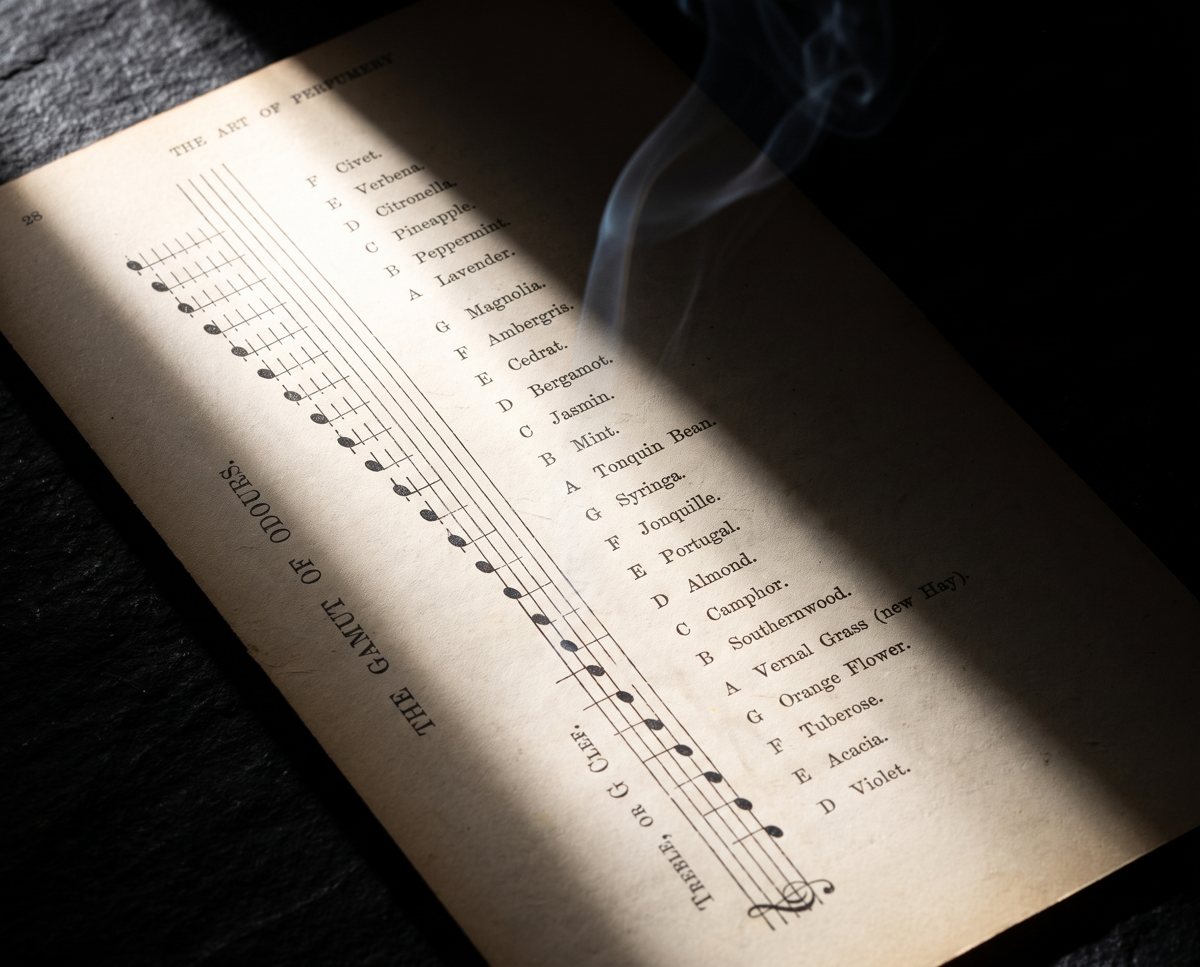
Nhiều thế kỷ sau, Linnaeus, Zwaardemaker và Henning sẽ cố tìm những lớp mùi phổ quát. Họ làm việc với ngôn ngữ, với con số, với hình khối. Theophrastus đứng trước tất cả những hệ thống ấy, và vì vậy ông cho thấy phân loại bắt đầu từ đâu: từ việc cầm một vật lên và nhìn nó thay đổi.
Quan sát trước lý thuyết
Có những giải thích của Theophrastus nay không còn đứng được. Thuyết bốn nguyên tố đã qua. Nhưng các quan sát thì vẫn ở đó, và nhiều cái vẫn kiểm được bằng mũi. Hoa toả xa. Rễ phải mở ra. Nhựa cần nhiệt. Nắng làm hỏng dầu thơm. Bình kín và phòng râm giữ mùi lâu hơn.
Điều đáng nhớ nhất có lẽ là sự khiêm tốn trong cách viết. Ông nêu câu hỏi, ghi lời người thợ, đưa ra một lời giải thích rồi để ngỏ. Ông không cố gói mọi mùi vào một cái khung duy nhất.
Đọc lại hôm nay, khảo luận Về mùi giống một cuốn sổ tay hơn là một cuốn sách lý thuyết. Và có lẽ chính vì thế nó còn sống. Lý thuyết đổi theo thời đại. Một người chịu khó đứng xem cái rễ được giã ra và ghi lại mùi của nó thì không cũ đi.
The Lyceum, fourth century BC
Theophrastus was born at Eresos, on the island of Lesbos. He studied with Aristotle, and when Aristotle left Athens he took charge of the Lyceum. Its followers came to be called Peripatetics, after the covered walk where teacher and students talked as they walked. He taught there for decades.
Aristotle left great treatises on animals. Theophrastus left great treatises on plants, the Enquiry into Plants and the Causes of Plants, which is why he is often called the founder of Western botany. Beside them stand a few short works, among them one on odours and one on weather signs.
Concerning Odours survived in manuscript and was printed in the Aldine edition at Venice in 1497. In 1916 Arthur Hort translated it into English, bound with the second volume of the Enquiry into Plants in the Loeb series. That edition is now in the public domain and open to anyone.
The text is short. It has no poetry and no myth. It reads like the notebook of someone who went to ask perfumers questions, stood watching them work, and came home to write down what he had seen.
Concerning Odours: oils, resins, flowers, roots
He opens with a general remark. Smell, like taste, comes from mixture; what is simple has none. Then he notes something perfumers still say: smells lack the specific names tastes have. We can say sweet, bitter, sour, salty. With smell we only divide good from bad, then reach for words like pungent, strong, faint, sweet and heavy, several of which serve both sides.
He admits the limits of the human nose. In his view our sense of smell is poorer than that of most animals, so there are things we call odourless that animals still smell and avoid.
Most of the treatise concerns perfumed oils. The perfumer mixes solids into a liquid: flowers, leaves, roots and resins steeped in oil. Flowers carry their smell on the surface, so it travels; roots such as iris and spikenard must be pounded to release theirs. Crush a flower and it smells worse. Frankincense and myrrh need gentle heat.
He records how perfumes are kept. Makers look for upper rooms that avoid the sun and are as shaded as possible. Oils go into lead vessels or alabaster flasks, because lead and stone are cool and close grained. Some perfumes are colourless, some are dyed red with a root. One perfumer claimed to have kept an iris perfume for twenty years.
Sorting smell by material, not by feeling
If Concerning Odours has a classification, it is by material and method. Flowers differ from roots, roots from resins, the base oil from what is steeped in it. Solid mixed with solid is the work of the powder maker; liquid with liquid, of the wine flavourer; solid into liquid, of the perfumer.
There is no table of moods, no sad or happy smells. Theophrastus asks only which part of the plant a smell comes from, how long it lasts, and what it needs in order to open. These are the questions of someone standing in a workshop, not of a philosopher at a desk.
Centuries later Linnaeus, Zwaardemaker and Henning would look for universal classes of smell, working with language, numbers and geometry. Theophrastus stands before all of them, and so he shows where classification begins: with picking up a material and watching it change.
Observation before theory
Some of his explanations no longer hold; the four elements are gone. But the observations remain, and many can still be checked by nose. Flowers carry. Roots must be opened. Resins need heat. Sun spoils perfume. Sealed vessels and shaded rooms keep a smell longer.
Perhaps the most memorable thing is the modesty of the writing. He raises a question, reports what a perfumer told him, offers an explanation and leaves it open. He does not force every smell into one frame.
Read today, the treatise is closer to a notebook than a work of theory, and that may be why it is still alive. Theories change with each age. A person who stands watching a root being pounded and writes down its smell does not grow old.
Olfactory Art