
Essays · Olfactory Art
Alexandra Daisy Ginsberg. Resurrecting the Sublime.
Mùi của một loài hoa không còn nữa.
The smell of a flower that no longer exists.
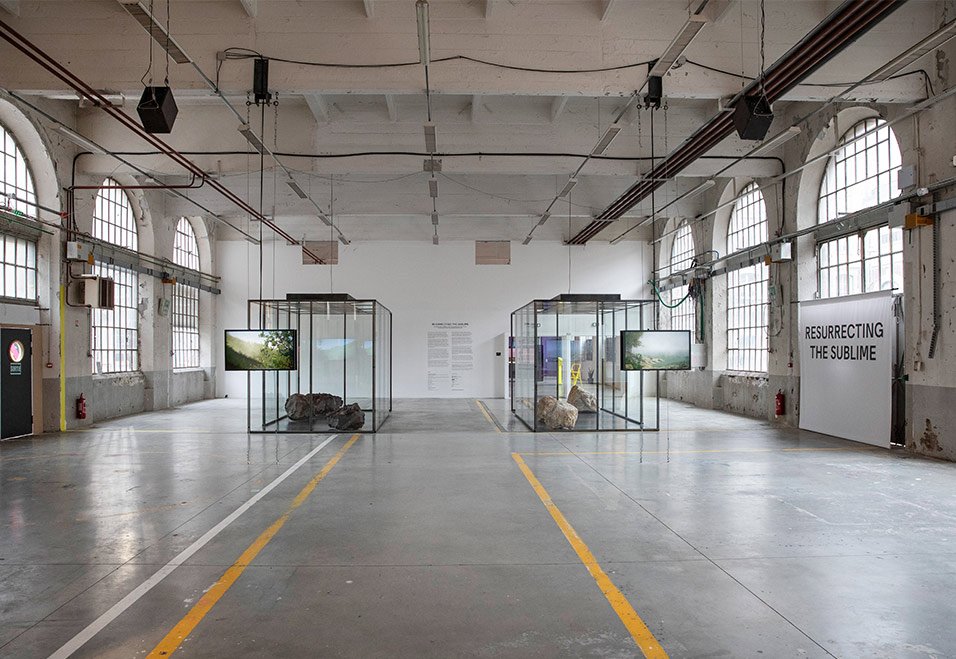
Courtesy Alexandra Daisy Ginsberg · Alexandra Daisy Ginsberg (official site)
Ba loài hoa, ba cách biến mất
Loài thứ nhất là Hibiscadelphus wilderianus, người Hawaii gọi là hau kuahiwi. Nó mọc trên sườn nam núi Haleakalā, đảo Maui. Cây cuối cùng được tìm thấy năm 1912, khi đang chết. Vùng nham thạch nơi nó sống đã bị các trại chăn bò thời thuộc địa phá đi.
Loài thứ hai là Orbexilum stipulatum, một loài cây họ đậu mọc trên đảo Rock Island giữa sông Ohio, gần Louisville, bang Kentucky. Lần cuối nó được ghi nhận là năm 1881. Đến thập niên 1920, đập số 41 của Mỹ dâng nước, nhấn chìm nơi nó sống.
Loài thứ ba là Leucadendron grandiflorum, mọc trên đồi Wynberg dưới bóng núi Table, Cape Town, Nam Phi. Lần cuối nó được nhìn thấy là năm 1805, trong khu vườn của một nhà sưu tầm ở London. Nơi nó mọc tự nhiên đã thành vườn nho thuộc địa.
Ba loài, ba lục địa, ba lý do. Nhưng một điểm chung: chúng mất đi vì con người cần đất cho việc khác.
Từ tiêu bản khô đến một mùi
Alexandra Daisy Ginsberg là nghệ sĩ người Anh, làm việc nhiều năm với sinh học tổng hợp. Dự án này bắt đầu từ bộ sưu tập tiêu bản thực vật của Đại học Harvard, nơi còn giữ những cành khô của các loài đã mất.
Từ những tiêu bản ấy, các nhà khoa học lấy được một lượng DNA rất nhỏ. Công ty sinh học Ginkgo Bioworks dùng nó để dựng lại trình tự của những enzyme mà cây từng dùng để tạo ra phân tử mùi. Từ đó, họ suy ra những phân tử nào có thể đã có trong mùi hoa.
Rồi đến lượt Sissel Tolaas, nhà nghiên cứu mùi người Na Uy. Tolaas dựng lại mùi của từng loài bằng chính những phân tử ấy, hoặc những phân tử tương tự.
Nhưng có một thứ không lấy lại được. DNA cho biết cây có thể tạo ra những phân tử gì, không cho biết mỗi thứ nhiều hay ít. Tỷ lệ đã mất cùng loài hoa. Mùi trong tác phẩm vì thế là một bản dựng có căn cứ, không phải bản sao. Ginsberg nói rõ điều đó, và để nó thành một phần ý nghĩa.
Đứng giữa đá và mùi
Sắp đặt được ra mắt tại Centre Pompidou, Paris, tháng Hai năm 2019. Cùng năm, nó được trưng bày tại Biennale Internationale Design Saint-Étienne và Vitra Design Museum. Năm 2020 ở Bảo tàng Lịch sử Tự nhiên Bern, năm 2021 ở Venice Biennale Kiến trúc lần thứ 17.
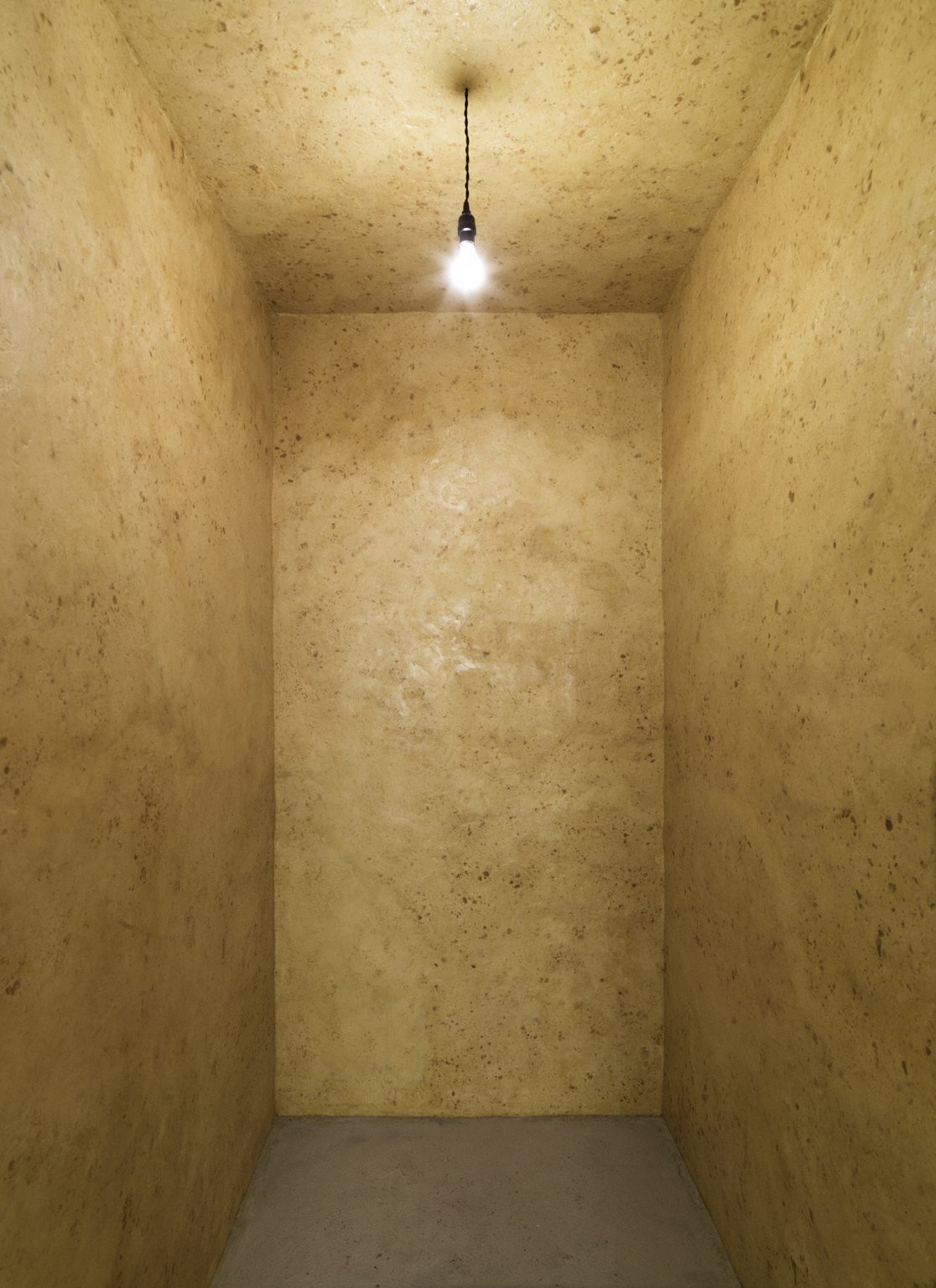
Trong mỗi phòng có những tảng đá: nham thạch, đá vôi, đá granite, đúng loại đá nơi từng loài từng mọc. Những tủ kính khuếch tán mùi của từng loài. Trên tường, một đoạn hoạt họa dựng lại cảnh quan đã mất. Âm thanh nền rất nhẹ.
Người xem không nhìn thấy hoa. Không có mô hình, không có ảnh phục dựng cây. Chỉ có đá, mùi, và chính người xem. Ginsberg đặt con người vào vị trí của một mẫu vật: đứng giữa cảnh quan, đối diện với một thứ lớn hơn mình, và với khả năng hủy hoại của chính loài mình.
Vì sao gọi là cái siêu phàm
Cái siêu phàm, the sublime, là một khái niệm cũ của mỹ học châu Âu. Nó là cảm giác đứng trước thứ quá lớn để hiểu hết: núi cao, biển động, một vực sâu. Tranh phong cảnh thế kỷ 19 hay đặt một người nhỏ bé trước thiên nhiên mênh mông.
Ginsberg dùng chữ ấy theo nghĩa mới. Thứ không thể hiểu hết ở đây không phải ngọn núi. Nó là sự tuyệt chủng. Ta không bao giờ biết chính xác những bông hoa ấy thơm thế nào. Khoảng trống ấy mới là tác phẩm.
Cách làm này gần với con đường của chính Sissel Tolaas, người đã dành nhiều năm nghiên cứu mùi như một thứ dữ liệu về thế giới, đến mức cả một triển lãm lớn của bà như RE_________ được dựng chỉ bằng mùi.
Resurrecting the Sublime không hồi sinh được gì. Tên tác phẩm là một nghịch lý có chủ ý. Thứ được đưa trở lại chỉ là một mùi không đầy đủ, đủ để người đứng trong phòng biết rằng từng có một bông hoa ở đây.
Three flowers, three disappearances
The first is Hibiscadelphus wilderianus, known in Hawaiian as hau kuahiwi. It grew on the southern slopes of Haleakalā on Maui. The last tree was found dying in 1912. Its lava field home had been cleared for colonial cattle ranching.
The second is Orbexilum stipulatum, a legume that grew on Rock Island in the Ohio River near Louisville, Kentucky. It was last recorded in 1881. In the 1920s, US Dam No. 41 raised the water and drowned its habitat.
The third is Leucadendron grandiflorum, from Wynberg Hill in the shadow of Table Mountain, Cape Town. It was last seen in 1805, in a collector's garden in London. Its native ground had become colonial vineyards.
Three species, three continents, three causes. One thing in common: they were lost because people wanted the land for something else.
From dried specimen to smell
Alexandra Daisy Ginsberg is a British artist who has worked with synthetic biology for many years. This project began with Harvard University's herbarium, which still holds dried branches of lost species.
From those specimens, scientists recovered a tiny amount of DNA. The biotech company Ginkgo Bioworks used it to reconstruct the sequences of enzymes the plants once used to make scent molecules. From there they inferred which molecules the flowers may have produced.
Then came Sissel Tolaas, the Norwegian smell researcher. Tolaas rebuilt each smell with those molecules, or with close analogues.
One thing could not be recovered. DNA says which molecules a plant could make, not how much of each. The proportions were lost with the flowers. The smell in the work is an informed reconstruction, not a copy. Ginsberg says so plainly and lets that gap become part of the meaning.
Standing among stones and smells
The installation premiered at the Centre Pompidou in Paris in February 2019. The same year it was shown at the Biennale Internationale Design Saint-Étienne and the Vitra Design Museum; in 2020 at the Natural History Museum in Bern; in 2021 at the 17th Venice Architecture Biennale.
In each room there are boulders: lava, limestone, granite, the kinds of stone on which each species grew. Vitrines diffuse the smell of each flower. On the wall, an animation rebuilds the lost landscape. A soft soundscape runs underneath.
Visitors never see a flower. No model, no reconstructed plant. Only stone, smell and the visitor. Ginsberg places the human in the position of a specimen: standing in a landscape, facing something larger than oneself, and facing the destructive power of one's own species.
Why the sublime
The sublime is an old idea in European aesthetics: the feeling of standing before something too vast to grasp. High mountains, stormy seas, an abyss. Nineteenth century landscape painting liked to put a small figure before immense nature.
Ginsberg uses the word in a new way. What cannot be grasped here is not a mountain. It is extinction. We will never know exactly how those flowers smelled. That gap is the work.
The approach sits close to Sissel Tolaas's own path: years spent studying smell as data about the world, to the point where a major exhibition of hers, RE_________, was built out of smell alone.
Resurrecting the Sublime brings nothing back to life. The title is a deliberate paradox. What returns is only an incomplete smell, enough for someone standing in the room to know there was once a flower here.
Olfactory Art