
Essays · Olfactory Art
Anicka Yi. Sous-Vide.
Mùi đến trước, hình ảnh đến sau.
The smell arrives first, the image after.
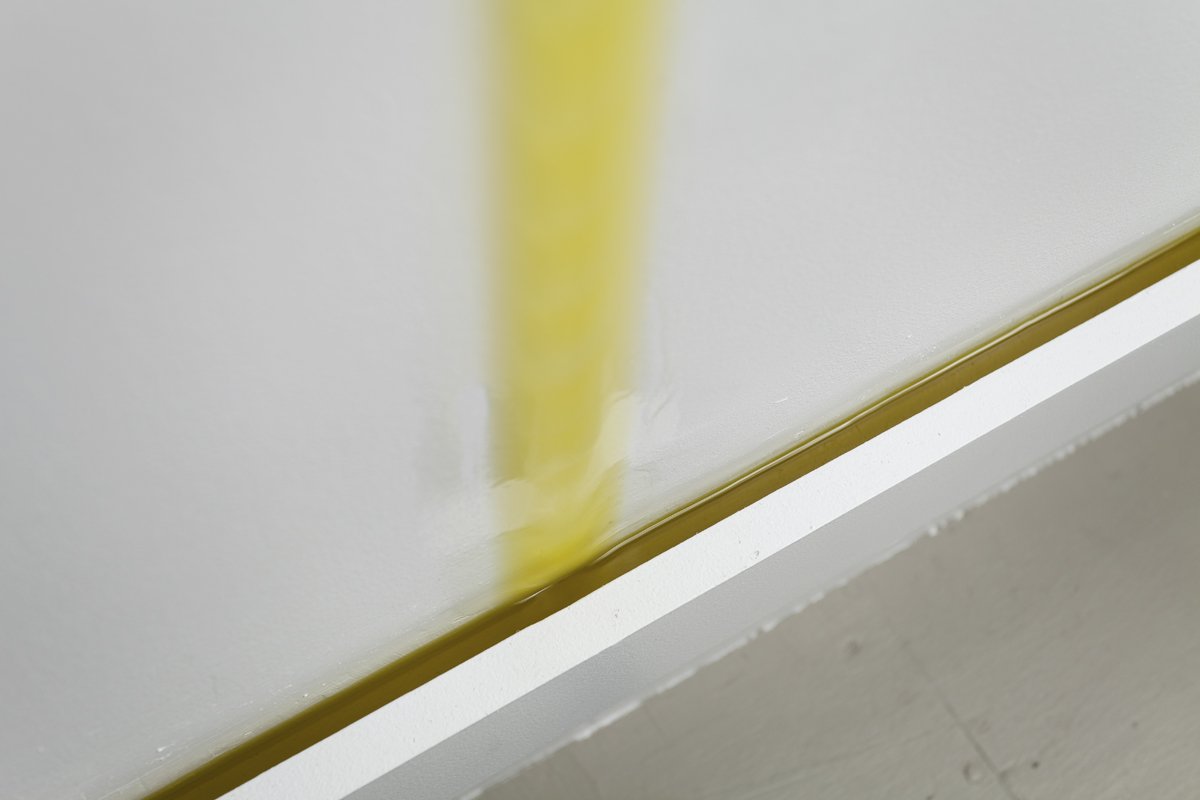
Anicka Yi, Auras, Orgasms, and Nervous Peaches, 2011 (image from Anicka Yi Studio) · ArtReview
Ngửi thấy trước khi nhìn thấy
Năm 2011, Anicka Yi mở triển lãm Sous-Vide tại 47 Canal, một gallery nhỏ ở New York. Người đến xem kể lại cùng một điều: họ ngửi thấy triển lãm trước khi nhìn thấy nó.
Mùi đến từ một tác phẩm tên là Sister. Đó là một cái đầu, hay đúng hơn là một thứ đặt vào chỗ của cái đầu: một khối hoa chiên tempura trào ra từ cổ một chiếc áo len đỏ rẻ tiền. Không có mặt. Không có cổ. Chỉ có hoa, bột chiên và dầu.
Hoa chiên toả một mùi nồng. Nó chiếm lấy không gian, bám vào quần áo người xem, đi theo họ ra khỏi phòng. Đó là mùi của bếp, của quầy đồ ăn mang về, không phải mùi người ta quen gặp trong một gallery trắng.
Sous-vide là tên một cách nấu: thức ăn được hút chân không trong túi kín rồi ngâm trong nước ở nhiệt độ thấp, ổn định. Một kỹ thuật của sự kiểm soát. Triển lãm mang tên ấy lại đầy những thứ không kiểm soát được.
Khi một mùi nhường chỗ
Mùi hoa chiên không ở mãi. Theo thời gian, nó nhạt dần. Khi nó lùi lại, một mùi khác hiện ra rõ hơn: mùi dầu ô liu.
Tác phẩm thứ hai, Auras, Orgasms, and Nervous Peaches, làm việc với chất lỏng. Những lỗ được đục vào tường gallery. Qua đó, chất lỏng ọc ra, chảy dãi xuống, và gom lại trong một máng dưới sàn. Bức tường, thứ vốn chỉ để treo tranh, bắt đầu rỉ ra như một cơ thể.
Hai tác phẩm tạo thành một trình tự. Người đến sớm và người đến muộn không ngửi cùng một triển lãm. Tác phẩm không đứng yên trong không gian. Nó trôi theo thời gian, bằng mũi.
Đây là một điều hiếm trong nghệ thuật thị giác. Một bức tranh treo tháng này vẫn là bức tranh ấy tháng sau. Sous-Vide thì thay đổi mỗi ngày, vì vật liệu của nó đang tự già đi.
Đồ ăn rẻ trong không gian tối giản
Nhà phê bình David Everitt Howe, viết cho ArtReview, so sánh những tác phẩm này với đồ ăn mang về rẻ tiền. Ông cho rằng đồ ăn và mùi đưa vào lối trưng bày tối giản một chất cơ thể đến mức kỳ quái. Chúng làm cho vật trở nên không sạch, theo đúng nghĩa công năng của từ ấy.
Nghệ thuật tối giản thường muốn vật sạch, rõ, khép kín. Một khối hộp, một tấm kim loại, không kể chuyện, không có mùi. Anicka Yi mượn cách trưng bày ấy rồi làm hỏng nó bằng dầu và bột chiên. Vật vẫn được đặt gọn trong phòng trắng. Nhưng nó chảy mỡ, bốc mùi, và thay đổi.
Theo Howe, những vật không sạch ấy đe doạ cả cảm giác về bản thân của người xem. Mùi xuyên qua ranh giới giữa tác phẩm và cơ thể. Nó không ở yên bên kia sợi dây ngăn cách. Nó đi vào mũi, vào phổi, vào tóc.
Một khởi đầu
Anicka Yi sinh ở Seoul, lớn lên ở Mỹ. Sous-Vide là một trong những triển lãm đầu tiên cho thấy hướng đi của bà: làm nghệ thuật bằng những vật liệu sống, dễ hỏng, có mùi. Về sau bà làm việc với vi khuẩn, với mùi được tổng hợp, với những cỗ máy biết ngửi. Năm 2016, bà nhận giải Hugo Boss Prize và có triển lãm tại Bảo tàng Guggenheim.
Nhìn lại, Sister và dòng dầu rỉ trên tường đã chứa sẵn nhiều câu hỏi của những năm sau: cơ thể là gì khi nó không còn hình người? Một vật có thể sống, già đi, và thải ra không? Mùi có phải là một chất liệu điêu khắc không?
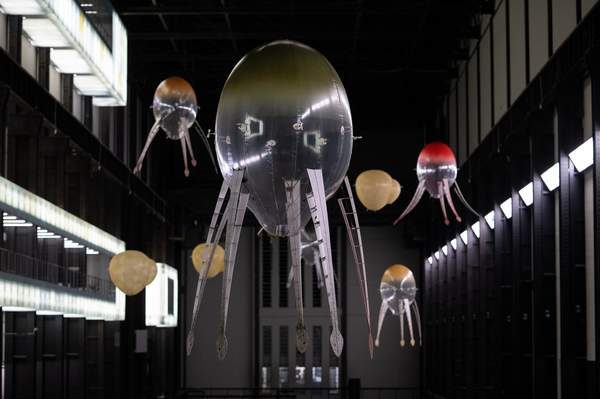
Một góc khác của cùng câu hỏi ấy nằm trong Life Is Cheap, tác phẩm về sau của bà tại Guggenheim.
Smelled before seen
In 2011 Anicka Yi opened Sous-Vide at 47 Canal, a small gallery in New York. Visitors reported the same thing: they smelled the show before they saw it.
The smell came from a work called Sister. A head, or rather something in place of a head: a mass of tempura fried flowers spilling from the neck of a cheap red sweater. No face. No neck. Only flowers, batter and oil.
Fried flowers give off a pungent smell. It takes over the space, clings to clothes, follows people out. It is the smell of a kitchen, a takeout counter, not what one expects in a white gallery.
Sous vide is a cooking method: food sealed in a vacuum bag and held in water at a low, steady temperature. A technique of control. The show that borrowed its name was full of things beyond control.
When one smell gives way
The fried smell did not last. Over time it faded. As it withdrew, another became clearer: olive oil.
The second work, Auras, Orgasms, and Nervous Peaches, worked with liquid. Holes were punched into the gallery walls. Through them liquid gurgled and drooled, collecting in a trough on the floor. The wall, made for hanging pictures, began to seep like a body.
The two works formed a sequence. Early and late visitors did not smell the same exhibition. The work did not sit still in space. It moved through time, by way of the nose.
That is rare in visual art. A painting hung this month is the same painting next month. Sous-Vide changed every day, because its materials were ageing on their own.
Cheap food in a minimal room
The critic David Everitt Howe, writing for ArtReview, compared the works to cheap takeout. Food and smell, he argued, bring a grotesquely bodily quality into minimalist display. They make objects unclean, in a functional sense.
Minimalism tends to want objects clean, clear, closed. A box, a metal plate, no story, no smell. Yi borrows that display and spoils it with oil and batter. The object still sits neatly in the white room. But it leaks, smells, changes.
For Howe, these unclean objects even threaten the viewer's sense of self. Smell crosses the line between work and body. It does not stay behind the rope. It enters the nose, the lungs, the hair.
A beginning
Anicka Yi was born in Seoul and grew up in the United States. Sous-Vide was one of the first shows to reveal her direction: art made from living, perishable, smelling materials. Later she worked with bacteria, synthesised scents, machines that smell. In 2016 she won the Hugo Boss Prize and showed at the Guggenheim.
Looking back, Sister and the seeping wall already held questions of the years that followed. What is a body when it no longer has human form? Can an object live, age, and excrete? Is smell a sculptural material?
Another side of the same question appears in Life Is Cheap, her later work at the Guggenheim.
Olfactory Art